
Full Set Drum Kit article
The Complete Guide to Full Set Drum Kit
A quality full set drum kit forms the rhythmic foundation for any drummer. Learn what makes a good kit, how to compare options across price points and set up your first complete drum setup.
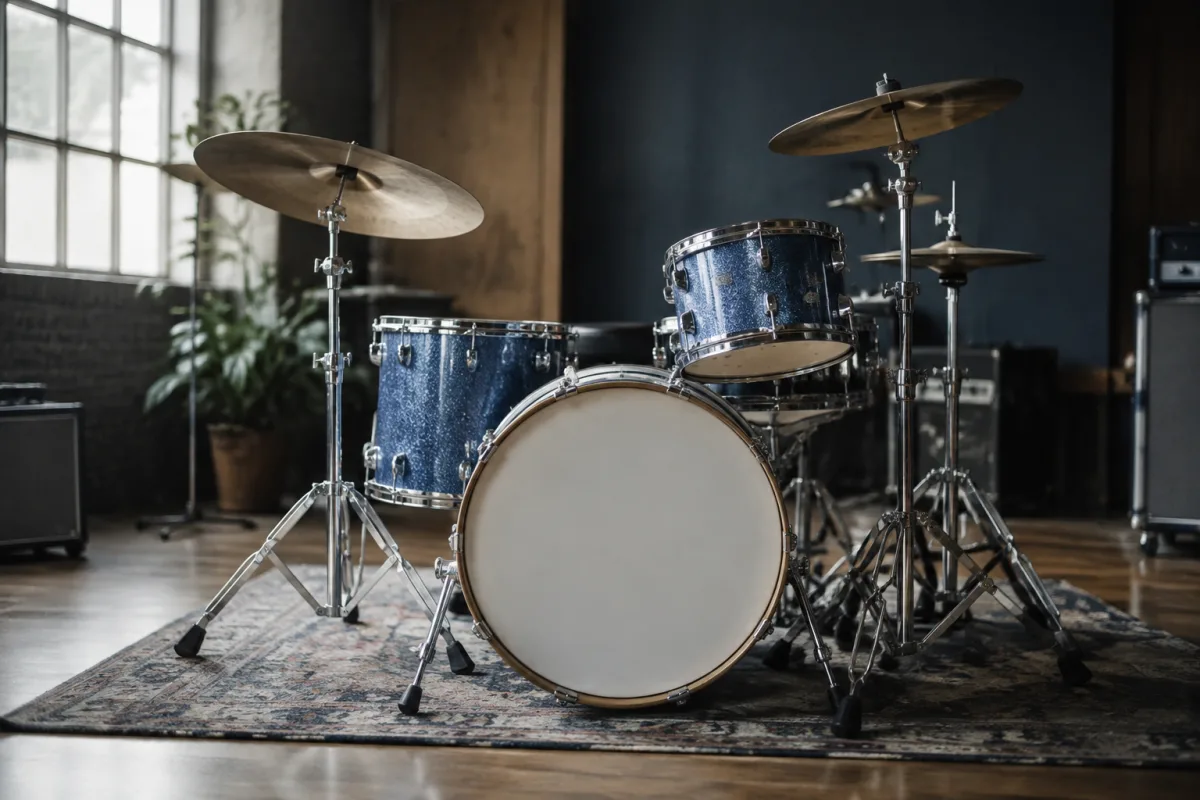
Choosing and Setting Up Your First Full Set Drum Kit
A full set drum kit forms the rhythmic foundation of bands, studios and solo percussion arrangements. Selecting your first complete kit is exciting but potentially overwhelming given the vast array of sizes, configurations, finishes and price points available. Whether you're a teenager beginning percussion study, an adult exploring music late in life or a returning player picking up sticks after years away, understanding what constitutes a quality setup ensures you'll make smart choices fitting your budget, space and musical ambitions. A good full set kit from a reliable manufacturer becomes a lifelong companion, with many players never outgrowing their foundational kit.
What Constitutes a Full Set Drum Kit?
A complete drum setup consists of several essential components. The standard configuration includes a kick drum (bass drum), snare drum, tom-toms (typically two or three), and cymbals (crash, ride and hi-hat). These components work together to create the complete percussive palette that modern drumming demands. Some full set kits include additional elements like splash cymbals or extra toms, allowing expanded creative possibilities.
The kick drum produces the deep, powerful low-end backbone. The snare provides crisp, cutting high-frequency definition. Toms fill mid-range frequencies and enable melodic fills. Cymbals add shimmer, texture and cutting power that cuts through band mixes. A properly configured full set kit balances these elements, letting each component perform its function without overwhelming the others.
Drum Kit Sizes and Configurations
Drum kits come in various sizes, each serving different purposes and players:
Standard Full Set Configurations
- 5-Piece Kit: Kick, snare, two toms and one floor tom. The most common configuration suitable for virtually any playing situation—rehearsals, performances, recordings.
- 4-Piece Kit: Kick, snare, one tom and one floor tom. Compact, portable version sacrificing one tom but retaining full functionality.
- 6+ Piece Kits: Additional toms, extra percussion elements, specialised configurations. Popular with progressive and progressive rock players wanting expanded tonal palettes.
Shell Pack vs Full Set
A "shell pack" includes only the drums themselves (kick, snare, toms) without cymbals or hardware. A true "full set kit" includes everything needed to play immediately—shells, cymbals, stands, pedals and mounting hardware. Beginners should purchase complete full sets rather than shell packs, avoiding the confusion and additional expense of separately acquiring compatible components.
Key Specifications and Materials
Shell Materials
Drum shells are typically made from wood (maple, birch or poplar). Maple produces warm, resonant tone with excellent projection. Birch offers brighter, more cutting sound with quicker attack. Poplar is the budget option, offering adequate tone at lower cost. High-end professional kits use premium maple; mid-range kits combine maple with birch; entry-level kits use birch or poplar. Material quality directly affects tone, durability and resale value.
Shell Size Standards
Standard full set kit sizes include:
- 22" kick drum (most common), ranging to 20" or 24"
- 13" top tom
- 16" floor tom (or second tom in 4-piece configurations)
- 14" snare drum
These sizes represent proven working dimensions across genres and playing styles. Slight variations exist—some kits use 13" floor toms or 10" top toms—but the standard sizes above provide excellent versatility.
Bearing Edge and Ply Count
Bearing edge (the top edge of the drum shell where the head contacts metal) affects tone significantly. 45-degree edges suit most styles; sharper edges increase attack. Ply count—the number of wood layers—affects durability and tone. Six-ply shells are industry standard; thicker plies produce darker tones and resist cracking.
Hardware Quality Matters
Stands, pedals, mounting systems and brackets must be robust and reliable. Budget kits sometimes scrimp on hardware, leading to frustrating instability and wobbling components. Quality hardware holds positions securely, tolerates road abuse and lasts years. Test hardware durability by gently moving components; they should feel solid without play or movement.
Comparing Entry-Level, Mid-Range and Professional Kits
| Category | Price Range | Shell Material | Hardware Quality | Best For |
|---|---|---|---|---|
| Entry-Level | £300–600 | Birch or Poplar | Basic, adequate | Beginners, learning students, casual players |
| Mid-Range | £600–1500 | Maple/Birch Blend | Professional-grade | Intermediate players, gigging musicians, studios |
| Professional | £1500+ | Premium Maple | Tour-grade | Professional touring, recording, demanding players |
Colour, Finish and Customisation
Finishes range from simple solid colours to complex sparkle, fade or custom graphic patterns. Aesthetic appeal matters—you're more likely to practise if your kit looks inviting. However, finish is purely cosmetic and doesn't affect tone or performance. Avoid letting appearance override practical considerations like sound quality and hardware reliability.
Setup and Maintenance Considerations
Most full set kits come partially assembled, requiring some final setup. Tuning drums properly requires patience and ear training; consider having a professional tune your kit initially, then learning the process yourself. Proper tuning dramatically improves tone; neglected, poorly tuned drums sound dull and unresponsive.
Maintenance is straightforward—keep drums clean and dry, replace worn drumheads every 6–12 months depending on playing frequency, and periodically check hardware for looseness. Most kits last decades with proper care, making them durable investments.
Bottom Line
Selecting your first full set drum kit deserves careful consideration. Prioritise quality shell construction and professional hardware over appearance or maximum component count. A solid mid-range kit from an established manufacturer serves beginners through intermediate players beautifully; resist upgrading until you've genuinely outgrown your current setup. Quality kits reward practice with responsive feel and satisfying tone that motivates continued improvement. Take time testing various setups, read user reviews and consult experienced drummers before deciding. Your first kit will likely remain a cherished instrument throughout your musical journey.


Comments