


Drum Kit Stands article
The Complete Guide to Drum Kit Stands
Quality drum kit stands provide stability and comfort essential for focused playing. Understand types of stands, key features and how to build a reliable kit setup.
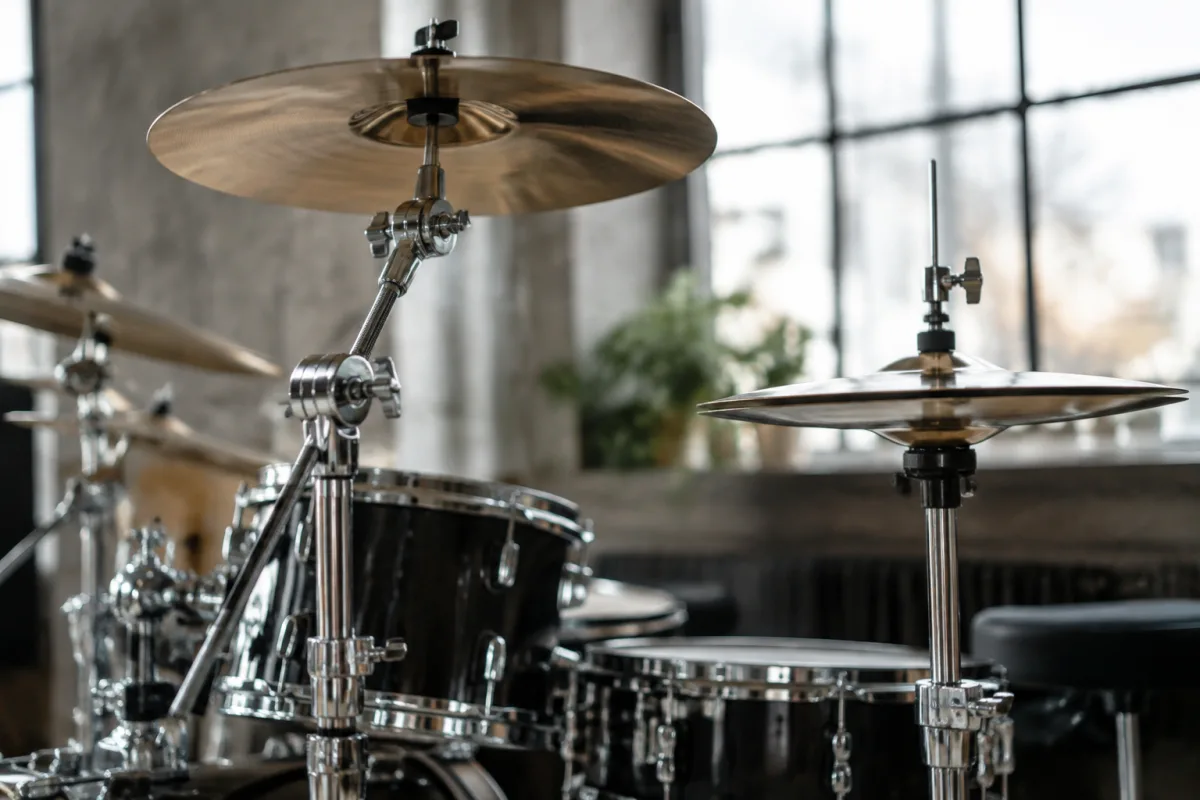
Drum kit stands are the often-overlooked foundation of a professional drum setup. Whilst drummers invest considerable time and money in selecting cymbals, drums and hardware, the quality of drum kit stands can make the difference between a stable, playable kit and one that frustrates you every time you perform. Good stands provide rock-solid stability, intuitive height and angle adjustment, and reliability that lasts through decades of playing. Whether you're setting up your first kit or upgrading existing hardware, understanding drum kit stands will transform your comfort and performance.
Types of Drum Kit Stands
The primary drum kit stands fall into several categories, each serving a specific purpose:
- Cymbal stands: Support cymbals (crash, ride, hi-hat) with adjustable height and angle.
- Drum stands: Hold individual drums or toms at various heights and positions.
- Hi-hat stands: Specialised stands that operate the hi-hat cymbal mechanism via a foot pedal.
- Bass drum pedal: Technically hardware rather than a stand, but essential for striking the bass drum.
- Snare stand: A dedicated stand for the snare drum, positioned between your knees for optimal playing position.
- Boom stands: Cymbal stands with articulating arms that extend outward, allowing cymbals to be positioned away from the centre of the kit.
Most professional drummers use a combination of these stands to create a customised setup suited to their playing style and preferences.
Key Features of Quality Drum Kit Stands
All quality drum kit stands share certain characteristics:
- Stability: The stand should not wobble or shift during playing, even with aggressive strikes.
- Adjustment range: Height and angle should be easily adjustable to accommodate different room layouts and playing styles.
- Smooth clamping: Tightening mechanisms should hold position without requiring excessive force and should not slip during use.
- Lightweight construction: Drum kit stands need to be portable for gigging, but strong enough to support cymbals and drums reliably.
- Finish quality: Chrome or powder-coat finishes should resist rust and wear, maintaining appearance across years of use.
- Compatibility: Stands should accept standard 8mm or 10mm cymbal felts and drum mounting brackets.
These features combine to create stands that feel professional and support focused playing.
Cymbal Stand Design and Stability
Cymbal stands bear particular importance because cymbals are expensive and fragile. A poorly designed cymbal stand can allow cymbals to slip, shift or even crash to the ground. Quality drum kit stands for cymbals use:
- Heavy-duty tripod bases: Three-leg designs provide stability and prevent tipping, even when cymbals are positioned off to one side.
- Solid boom arms: Articulating arms should not twist or flex during playing.
- Secure cymbal felts: High-quality felt or nylon washers grip cymbals firmly without slipping.
- Reinforced clamps: The mechanism holding cymbals must tighten securely without stripping threads.
Investing in quality cymbal stands protects your cymbal collection and ensures stability during performance.
Drum Stand Considerations
Drum kit stands for holding toms and mounted percussion require different engineering than cymbal stands. They typically use:
- Adjustable L-arms: Allow drums to be positioned at various angles and heights relative to the drummer.
- Secure drum mounting: Brackets should firmly grip drums without damaging shells.
- Multi-angle adjustment: Good stands allow rotation and tilt adjustment independently.
- Quick-release mechanisms: Some professional stands allow rapid drum changes or repositioning without tools.
The best drum kit stands let you achieve the exact positioning you want and hold it reliably throughout a session.
Hi-Hat and Snare Stand Specifics
Hi-hat stands are specialised hardware that must respond precisely to foot pedal input. Quality drum kit stands in this category feature:
- Smooth mechanical linkage: The foot pedal should control cymbal opening/closing with minimal resistance.
- Adjustable tension: Spring tension can be fine-tuned to your preferences and playing style.
- Responsive cymbals: The cymbals should close quickly when released and open smoothly when pressed.
Snare stands, meanwhile, prioritise accessibility and positioning. A good snare stand positions the drum between your knees and should not interfere with hi-hat or bass drum pedal leg movement.
Portable vs Permanent Setups
Gigging drummers need drum kit stands that prioritise portability: lightweight construction that folds compactly for transport. Studio drummers or those with permanent setups might prioritise maximum stability and durability over weight savings. Most professional stands split the difference, offering excellent portability without sacrificing stability.
Consider your primary use before investing. A touring drummer's ideal stand might differ from a session player's or hobbyist's ideal stand.
Budget Considerations
Drum kit stands range dramatically in price. Budget stands (£10–30) offer basic functionality but may wobble, slip or fail prematurely. Mid-range stands (£30–80) provide excellent reliability and adjustment options for most players. Professional-grade stands (£80+) offer refinement, exceptional durability and often include features like quick-release mechanisms or ergonomic improvements.
A sensible approach: invest in quality where stability matters most (cymbal and hi-hat stands) and accept mid-range quality elsewhere. Your hi-hat or cymbal crashing mid-performance is far more problematic than a tom stand being slightly less adjustable than you'd prefer.
Maintenance and Longevity
Quality drum kit stands last decades with minimal maintenance. Occasional cleaning, tightening loose bolts and replacing worn felt pads are typically all that's needed. Metal stands may benefit from occasional rust prevention, especially if stored in humid environments.
Many drummers keep the same stands for 20+ years, replacing only worn components. This longevity makes investing in quality stands economically sensible beyond the immediate playing experience.
Conclusion
Drum kit stands are foundational hardware that deserve careful consideration. Stable, adjustable stands create a comfortable playing position, reduce setup time and allow you to focus on playing rather than wrestling with equipment. Whether you're building your first kit or upgrading existing stands, prioritising quality in these often-overlooked components will reward you with years of reliable, comfortable drumming.



Comments