
Drum Kit Names article
The Complete Guide to Drum Kit Names
Drum kit names encompass individual components and configurations, from traditional acoustic setups to modern electronic and hybrid systems, essential terminology for all musicians.
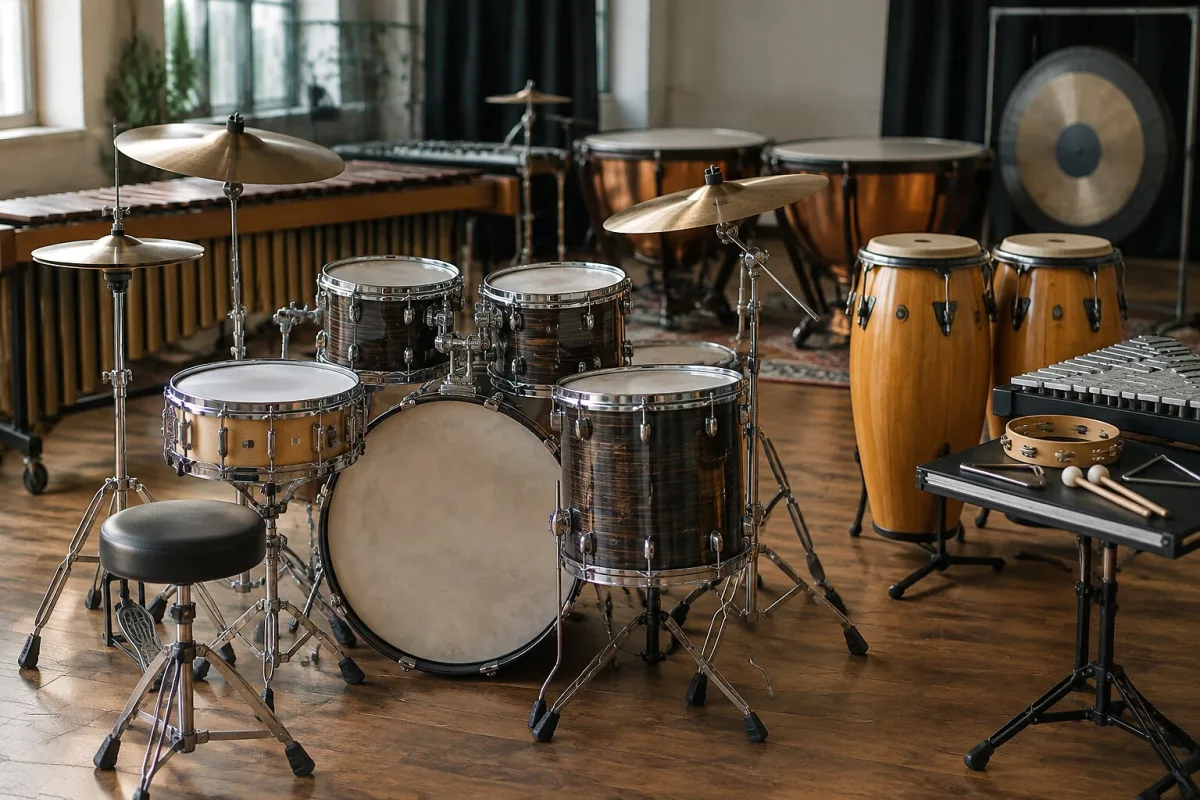
Understanding drum kit names and terminology proves essential for communicating with other musicians, selecting appropriate instruments, and navigating the diverse landscape of percussion setups available to contemporary drummers. Drum kit names encompass both the individual components (kicks, snare, tom variations) and broader categorical classifications reflecting different purposes and technologies. From traditional acoustic drum kits to modern electronic configurations and hybrid setups combining both approaches, drum kit names document the evolution of percussion instruments across decades of musical innovation. Whether you're a beginning drummer learning instrument names, an experienced player exploring unconventional setups, or simply curious about percussion terminology, understanding drum kit names provides insight into instrument design, musical application, and professional performance requirements.
Traditional Acoustic Drum Kit Names
Standard acoustic drum kits employ consistent naming conventions across the percussion instrument world. The kick drum (or bass drum) delivers low-frequency foundation; its name derives from the foot pedal used to strike the drum. The snare drum—the most distinctive acoustic drum kit component—produces sharp, articulate sounds through snares (wires stretched across the bottom head). Tom drums include high toms, mid toms, and floor toms, with drum kit names reflecting their pitch positions. The hi-hat cymbals pair two cymbals struck together using a foot pedal, whilst crash cymbals produce dramatic accents. Ride cymbals provide steady patterns during playing, and splash cymbals offer small, high-pitched effects. Professional drum kit names often include specific configurations like "4-piece drum kit" (typically kick, snare, 2 toms) or "5-piece drum kit" (kick, snare, 3 toms), representing the industry-standard entry point for serious drummers.
Drum Kit Component Names and Functions
| Component Name | Function | Sound Character | Typical Pitch |
|---|---|---|---|
| Kick Drum (Bass Drum) | Foundation, pulse, low-end power | Boomy, resonant, punchy | 40-100 Hz |
| Snare Drum | Articulation, groove definition, accents | Crisp, crackling, bright | 150-250 Hz (body) |
| High Tom | Melodic variation, fills, transitions | Bright, resonant, musical | 150-180 Hz |
| Mid Tom | Tonal bridge, tasteful fills | Warm, focused, articulate | 100-120 Hz |
| Floor Tom | Bass extension, powerful fills | Deep, resonant, authoritative | 60-80 Hz |
| Hi-Hat Cymbals | Timekeeping, groove pocket, dynamics | Crisp, bright, controllable | High-frequency content |
| Crash Cymbal | Dramatic accents, transitions, crashes | Washy, loud, cutting | 8,000-12,000 Hz peak |
| Ride Cymbal | Steady patterns, articulate definitions | Dark, warm, focused | 6,000-9,000 Hz peak |
Drum Kit Configuration Names
Professional drum kit names typically describe configurations by component count and structure. A "3-piece drum kit" includes kick, snare, and single tom—entry-level setup appropriate for absolute beginners. The "4-piece drum kit" adds an additional tom, representing the first professional threshold for many drummers. A "5-piece drum kit" names the industry standard, including kick, snare, high tom, mid tom, and floor tom—the most popular configuration suiting diverse musical contexts. "6-piece drum kits" and "7-piece drum kits" add additional percussion components, appealing to drummers seeking extended tonal range or specific sonic requirements. Ultra-large drum kits exceeding 8 pieces sometimes receive names reflecting specific configurations—"double-kick drum kits" featuring two bass drums suit metal and progressive rock, whilst "fusion drum kits" optimise for jazz and fusion applications. Drum kit names accurately describing the specific configuration help drummers communicate exactly which instruments they're playing.
Electronic Drum Kit Names
Electronic drum kit names reflect digital percussion's unique characteristics and technological foundation. "Pad-based drum kits" use rubber or mesh surfaces struck to trigger digital sounds, whilst "acoustic-triggered drum kits" employ real drum heads triggering electronic modules underneath. Electronic drum kit names often include brand signatures—"Alesis drum kits," "Roland drum kits," "Yamaha drum kits"—reflecting the major electronic percussion manufacturers dominating the market. "Mesh head drum kits" name high-end electronic instruments using realistic head materials improving feel and response. Electronic drum kit names sometimes indicate sound engine capabilities—"sampling drum kits" featuring recorded acoustic and percussion samples, versus "synthesis-based drum kits" generating sounds via synthesis algorithms. "Portable drum kits" name compact electronic configurations; "stage drum kits" reference professional installations optimised for touring and live performance reliability.
Hybrid and Specialized Drum Kit Names
Contemporary percussion often blends acoustic and electronic elements, generating specialised drum kit names describing these hybrid setups. "Acoustic-electronic hybrid drum kits" combine traditional drums with electronic triggers or modules, enabling acoustic authenticity with electronic flexibility. "Drum kit expansion modules" name accessories adding capabilities to existing setups without complete replacement. "Sample-triggered drum kits" name configurations triggering audio files rather than synthesised sounds. "Loop-based drum kits" enable drummers to layer percussion parts, building complex arrangements through overdubbing. "Visual drum kits" incorporate LED lighting synced to percussion, appealing to performers emphasising visual spectacle alongside sonic delivery. These specialised drum kit names reflect contemporary percussion's evolution toward technology integration whilst maintaining acoustic instrument appreciation.
Cymbal Names and Types
Cymbals represent crucial drum kit components with distinct names reflecting their specific functions and characteristics. Hi-hat cymbals—the foot-pedal-controlled pair—provide timekeeping foundation in virtually all drum kits. Crash cymbals generate dramatic crashes; their names sometimes include size specifications ("16-inch crash," "18-inch crash"). Ride cymbals deliver steady, articulate sounds; drum kit names sometimes distinguish "traditional ride cymbals" from modern variations like "ping rides" (smaller, brighter) or "ride stacks" (multiple thin cymbals creating distinctive sounds). Splash cymbals name small, piercing cymbals creating dramatic effects. China cymbals—distinctive upturned cymbals delivering trashy, explosive sounds—derive their name from their Asian origin. Cowbell, triangles, and other percussion tools sometimes join drum kits, expanding tonal possibilities beyond traditional cymbal inventory.
Geographic and Cultural Drum Kit Names
Drum kit names vary geographically, reflecting cultural influences and regional terminology preferences. British English often refers to "drum kits" whilst American English uses "drum sets" interchangeably. Professional jazz circles might reference "jazz drum kits" optimised for smaller, more subtle sounds, whereas "rock drum kits" prioritise volume and projection. "Brazilian samba drum kits" employ specific percussion elements reflecting samba rhythm requirements. "African drum kits" name traditional percussion setups centred on talking drums, djembes, and frame drums rather than Western bass drum/snare foundations. These geographic drum kit names reflect percussion's deep cultural roots and how different musical traditions approach percussion instrument selection and configuration.
Drum Kit Names in Different Musical Contexts
Professional musicians select drum kit types based on specific genre and performance requirements. Jazz drummers favour smaller drum kits emphasising subtlety and cymbal quality. Metal drummers prefer large drum kits with double bass drums enabling extreme playing intensity. Pop and rock drummers typically use standard drum kits balancing versatility and manageability. Funk drummers emphasise snare definition and hi-hat control for groove pocket precision. World music applications might incorporate hand drums, frame drums, or melodic percussion into drum kit configurations. Marching percussion and drum corps employ specialised drum kit names reflecting mobile performance requirements. Understanding drum kit names appropriate to your musical context helps ensure your instrument choice supports your musical goals and performance demands.
Selecting and Naming Your Drum Kit
When purchasing drums, drum kit names help communicate your requirements precisely. Entry-level buyers typically start with "beginner drum kits" offering affordability and adequate quality for skill development. "Student drum kits" name instruments balancing durability with expense, appropriate for serious learners but not yet professional performers. "Professional drum kits" reference instruments meeting touring and studio requirements. "Custom drum kits" employ personalised specifications reflecting individual player preferences, often commanding premium prices reflecting bespoke construction and material selection. Understanding drum kit names enables effective communication with percussion retailers and helps ensure you acquire instruments matching your experience level, musical requirements, and budget constraints.
Conclusion
Drum kit names document percussion instrument evolution across decades of musical innovation, reflecting technological advances, cultural influences, and specialist requirements across diverse musical contexts. From traditional acoustic drum kit components to modern electronic configurations and hybrid setups, drum kit names accurately describe instrument composition, intended application, and sonic characteristics. Whether you're beginning percussion study, upgrading your setup, or exploring unconventional configurations, understanding drum kit names proves invaluable for effective communication, informed purchasing decisions, and appreciation of percussion instrument diversity supporting global musical expression.


Comments