


Drum Kit Bags article
Drum Kit Bags for Beginners: A Complete Guide
Proper drum kit bags protect your drums from damage during storage and transport. Discover which types suit beginners and how to pack correctly for maximum protection.
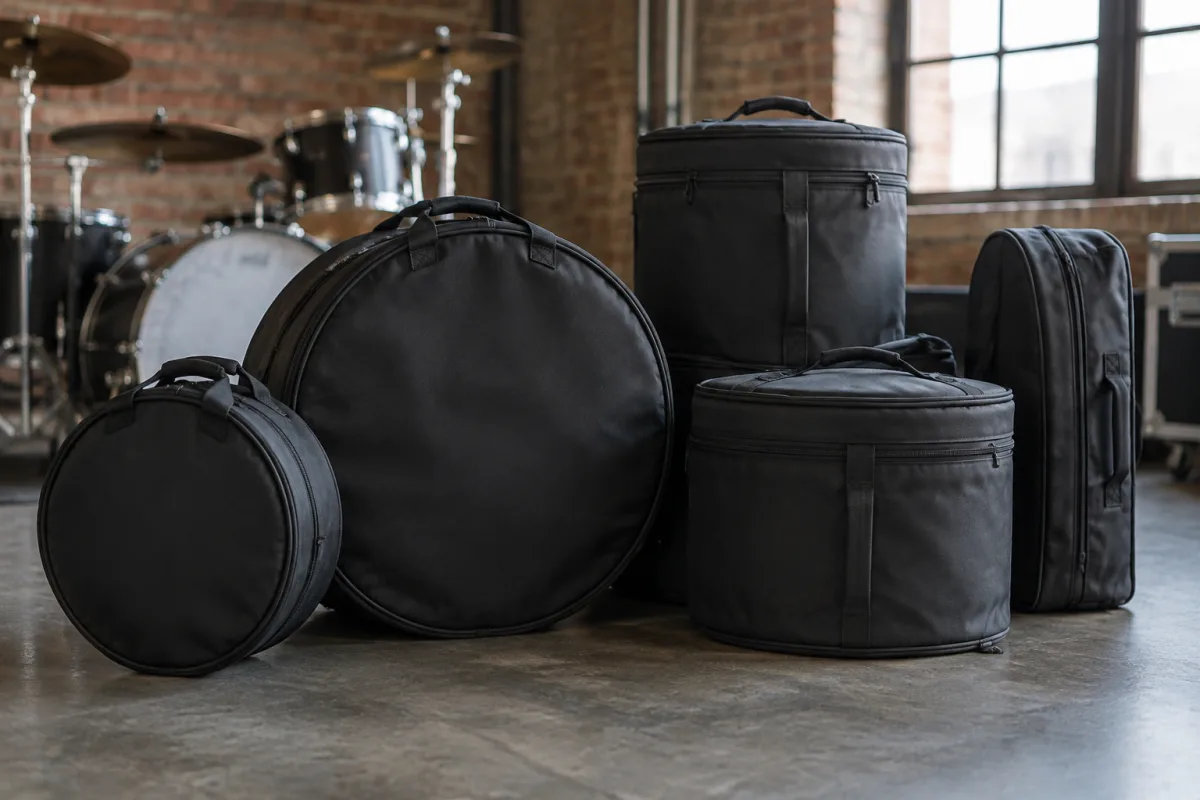
You've just got your first drum kit, and now you need to transport it. Whether you're moving from the shop, carrying it to rehearsals, or storing it safely between sessions, drum kit bags solve a genuine problem. For beginners, understanding which drum kit bags actually protect your instruments and which are marketing fluff prevents damage and expense.
Why Drum Kit Bags Matter for Beginners
A beginner kit doesn't cost thousands, but it represents a real investment. Without proper drum kit bags, drums damage easily. Shells crack from impacts. Hardware bends. Cymbals dent. Drum kit bags aren't optional accessories—they're insurance for your instrument.
Beyond protection, drum kit bags make transportation realistic. Carrying individual drums by hand is awkward and risky. Drum kit bags let you move your entire setup in a few trips. For beginners attending lessons or rehearsals, this convenience makes the difference between owning a kit and actually using it regularly.
Proper drum kit bags also prevent sound degradation. Exposed drums accumulate dust and dirt, which affects tone and hygiene. Drum kit bags keep your kit clean, sounding fresh, and ready to play every time you open them.
Types of Drum Kit Bags for Beginners
Drum kit bags come in several styles, each serving different needs. Understanding the options prevents buying wrong.
Individual hardcase drum bags: These hard-shell cases protect individual drums individually. A drum kit bags hardcase for your kick drum, separate hardcases for toms, separate hardcase for snare. This approach offers maximum protection but requires carrying multiple cases. As a beginner, this feels excessive unless you're gigging frequently or own expensive drums.
Soft-sided drum kit bags: Padded fabric drum kit bags hold multiple pieces (kick, snare, two toms) in one bag. They're lighter than hardcases, easier to transport, and sufficient for home storage and local transport. Most beginner drummers start with soft-sided drum kit bags. They offer excellent protection-to-convenience ratio.
Gig bags and hardware bags: Dedicated drum kit bags for cymbals (cymbal bags) and hardware (hardware bags) complete your protection setup. Cymbals damage easily during transport; proper cymbals drum kit bags prevent expensive destruction. Hardware bags protect stands, pedals, and various small components.
Rolling drum kit bags: Some drum kit bags include wheels and telescoping handles. These are genuinely convenient if you're regularly carrying heavy loads, but they're bulkier than standard bags and more expensive. As a beginner, rolling drum kit bags are optional.
Specifications to Evaluate in Drum Kit Bags
Knowing what makes drum kit bags effective prevents poor purchases.
Padding thickness: Drum kit bags should have at least 10mm padding on major surfaces. Thicker padding (15-20mm) offers better protection but adds weight. For beginners storing at home, 10mm suffices. For frequently transported kits, thicker is better.
Base reinforcement: The bottom of drum kit bags receives most stress. Check for reinforced material or extra padding on the base. Weak bases fail quickly, defeating the purpose of the drum kit bags.
Strap configuration: Quality drum kit bags include multiple carry straps (not just one). Shoulder straps, handle straps, and side straps distributed the weight properly. Drum kit bags with single handles are inconvenient and stress one body area excessively.
Interior dimensions vs. drum sizes: Verify the drum kit bags dimensions match your specific drums before purchasing. Too-loose drum kit bags allow movement and impact during transport. Too-tight drum kit bags force stress on seams. Proper fit is critical in drum kit bags.
Zippers and closures: Quality drum kit bags use heavy-duty zippers that glide smoothly. Cheap zippers jam and fail quickly. Test the zippers on drum kit bags in person if possible. Closure reliability matters enormously.
Common Beginner Mistakes with Drum Kit Bags
Mistake #1: Buying Universal-Size Drum Kit Bags
Some drum kit bags claim to fit any drum sizes. They don't, really. They fit loosely and allow movement, which causes damage. Buy drum kit bags sized for your specific shells. Tight fit protects better than loose fit.
Mistake #2: Skipping Cymbal-Specific Bags
Cymbals are delicate. Throwing them in a generic drum kit bags or gig bag causes dents and cracks. Dedicated cymbal drum kit bags with individual slots protect cymbals properly. These are inexpensive (£15-30) and genuinely worthwhile. Don't skip them.
Mistake #3: Not Protecting Hardware Separately
Kick pedals, hi-hat stands, and cymbal stands packed loosely in drum kit bags damage both the hardware and the bags themselves. Dedicated hardware bags or even a small duffel bag keeps everything organised and protected. Beginner drummers often overlook this.
Mistake #4: Assuming Cheaper Drum Kit Bags Are Fine
Budget drum kit bags often have thin padding, poor zippers, and weak straps. You're not saving money—you're building cost when drums get damaged due to inadequate protection. Spend £50-80 on proper drum kit bags. It's insurance.
Mistake #5: Overstuffing Drum Kit Bags
Filling drum kit bags beyond capacity stresses seams, strains zippers, and creates uneven weight distribution. Pack your drums with a small gap for padding shifting. Overloading drum kit bags destroys them faster than normal use.
Packing Your Drums Properly in Drum Kit Bags
Protection depends on proper packing, not just purchasing drum kit bags.
Use protective wrapping. Wrap each drum in a cloth or towel before placing in drum kit bags. This prevents shells from rubbing and damaging the bag interior. The extra layer also absorbs minor impacts.
Protect cymbals individually. Don't stack cymbals directly in drum kit bags. Use dedicated cymbal drum kit bags with felt separators. If you can't access cymbal bags, wrap each cymbal in cloth and separate them with padding.
Stabilise stands and hardware. Stands can puncture drum kit bags from inside if they shift. Use hardware drum kit bags or bundle stands together with cloth between them. Pedals go in hardware drum kit bags or wrapped separately.
Don't overstuff. Leave adequate space in drum kit bags for padding. Tight packing creates pressure points and increases damage risk during transport.
Check weight distribution. Heavy items (kick drum) shouldn't rest entirely on one side of the drum kit bags. Balance the load so drum kit bags hang evenly. This prevents fabric stress and makes carrying manageable.
Storage Considerations for Drum Kit Bags
Even stored drum kit bags need care. Keep them in dry locations—moisture damages shells. Store drum kit bags away from extreme heat (which warps shells) and cold (which makes shells brittle). Well-ventilated storage prevents mold growth inside drum kit bags.
Periodically check stored drum kit bags for pests or moisture issues. Even at home, drum kit bags protect drums, but they're not replacements for good storage conditions.
Long-Term Investment in Drum Kit Bags
Quality drum kit bags last years with normal use. They're among the best investments a drummer makes. Compare the cost of replacing a cracked shell (£200+) against drum kit bags (£60-100). The math is obvious.
As you progress beyond beginner level, you might add hardcases for premium drums, but soft-sided drum kit bags remain useful for practise kit transport or secondary instruments. A beginner who invests in proper drum kit bags develops good habits early.
For more comprehensive information about drum kit bags specifications, detailed comparisons of different styles, and guidance on selecting bags for your specific drum configuration, the complete guide to drum kit bags covers everything in technical depth. But for a beginner, start with soft-sided drum kit bags rated for your kit size, add dedicated cymbal bags, and develop good packing habits. Your drums will thank you.


Comments