
Drum Kit Amp article
The Complete Guide to Drum Kit Amp
A drum kit amp amplifies electronic drums and acoustic drum kits accurately across the full frequency range, from kick bass to cymbal highs.
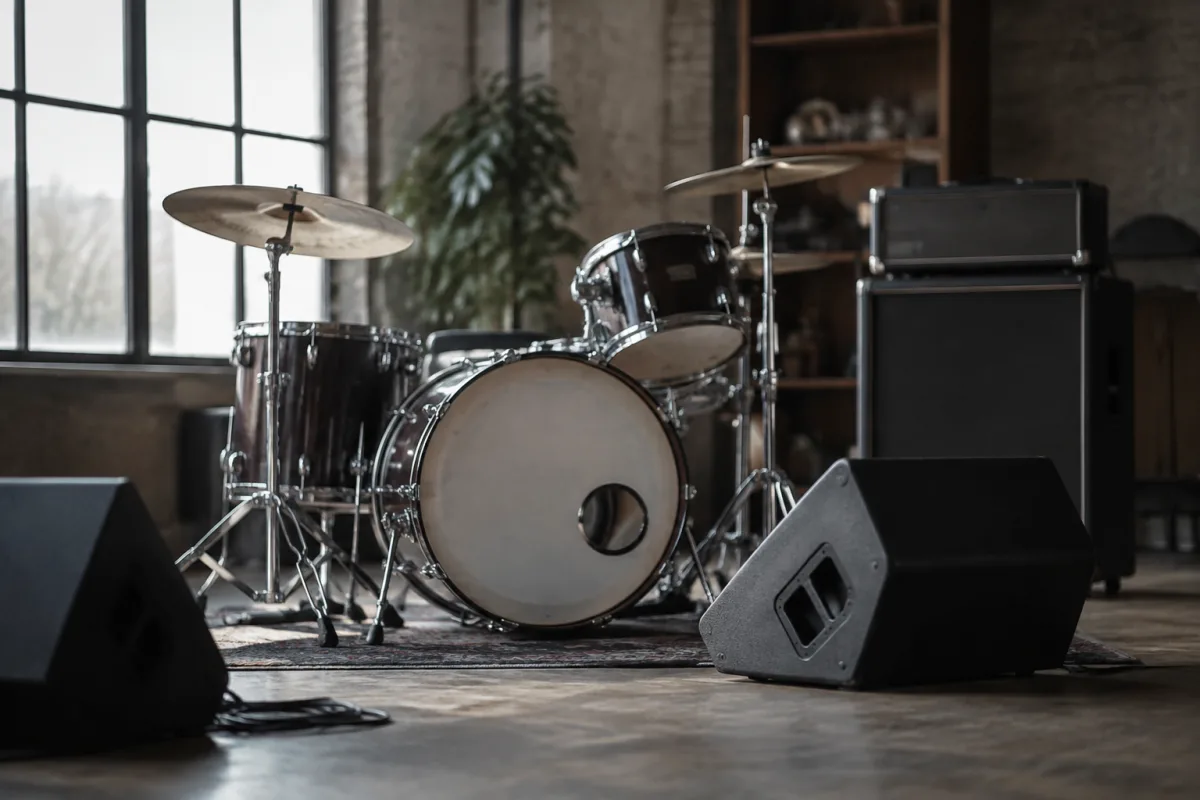
A drum kit amp is an increasingly essential piece of equipment for modern drummers, whether you're practising at home, rehearsing in a studio or performing in situations where electronic reinforcement matters. Unlike a guitarist's amp, a drum kit amp serves a specific purpose: amplifying and shaping the sound of electronic drums or microphone-equipped acoustic drums.
What Is a Drum Kit Amp?
A drum kit amp is a powered speaker or amplifier system designed to reproduce the full frequency range of drum sounds accurately. It differs fundamentally from guitar amplifiers because drum sounds contain frequencies from deep sub-bass (kick drum) to crisp highs (cymbals), and a drum kit amp must handle this entire spectrum faithfully.
Modern drum kit amps fall into three main categories: compact powered monitors for home practise, mid-range systems for rehearsal studios and small venues, and full-range PA systems for larger performance spaces. Each serves different needs, but all share the core function of amplifying drums without colouring the sound.
Key Features of Drum Kit Amps
A quality drum kit amp typically includes:
- Full-range drivers — reproducing bass, midrange and treble accurately
- Built-in mixers — allowing multiple input sources (kick, snare, toms, cymbals)
- EQ controls — letting you shape the overall drum tone to suit the space
- Robust construction — drum amps must withstand vibration and transport
- Sufficient power — typically 50–300 watts depending on application
- Monitor function — angling the speaker toward the drummer for clear self-monitoring
Drum Kit Amp for Home Practice
Beginners and home-based drummers often choose compact drum kit amp models with 30–80 watts of power. These sit beside or behind the drum kit and provide clean amplification for electronic drums or miked acoustic kits. A drum kit amp for practise should prioritise accurate sound reproduction over volume — you're listening critically at close range, not playing to a large room.
Good practise-grade drum kit amps typically cost £200–£600 and offer simple controls for EQ and input selection. They're sized for bedrooms and small studios, not stages.
Studio and Rehearsal Applications
A drum kit amp for serious rehearsal or recording studio use needs higher power (100–200 watts) and richer input/output options. Many professional studios employ a drum kit amp alongside a mixing console, allowing engineers to set and monitor drum levels independently from other instruments.
Key features for studio work include balanced XLR inputs, detailed EQ controls, and the ability to accommodate both electronic drum modules and microphone inputs simultaneously. This flexibility lets a single drum kit amp handle pure electronic setups, miked acoustic kits, or hybrid rigs.
Performance and Live Sound
When performing live, the role of a drum kit amp changes. If you're triggering electronic sounds alongside acoustic drums, a drum kit amp on stage helps you hear those triggers clearly whilst maintaining feel. A drum kit amp in this context typically sits on the stage floor behind or beside the kit, angled toward the drummer.
However, for large venues, the main drum reinforcement usually comes through the main PA system rather than a dedicated drum kit amp. Smaller clubs and bars, though, often benefit from a drum kit amp that lets the drummer self-monitor electronic enhancements and additions to their acoustic kit.
Electronic Drums Versus Miked Acoustic Kits
A drum kit amp handles both applications, but the demands differ. Electronic drums generate line-level signals with a defined frequency response, and a drum kit amp easily reproduces these cleanly. Acoustic drums require microphones, so the drum kit amp must include good preamps that handle low-level mic signals without introducing hum or noise.
If you're mixing microphones from acoustic drums, a drum kit amp with three or more dedicated mic inputs and channel-level EQ gives you maximum flexibility and control.
Choosing the Right Size and Power
Selecting a drum kit amp depends on your primary use. For bedroom practise with electronic drums, 30–50 watts in a compact powered monitor is sufficient. For rehearsal studios or small live venues, 100–150 watts with decent drivers gives fuller sound and easier self-monitoring. For larger stages or reinforcing acoustic drums in large rooms, 200+ watts or integration with a main PA system becomes practical.
Connectivity and Flexibility
Modern drum kit amps offer varied input and output options. Look for combinations of 1/4-inch, XLR, and 3.5mm inputs depending on your existing equipment. Some include Bluetooth connectivity for practising along to backing tracks, USB inputs for recording, and even recording-out functionality for capturing practice sessions.
Conclusion
A drum kit amp is an invaluable tool for contemporary drummers working with electronics, samples, or hybrid acoustic-electronic setups. Whether you're a bedroom practitioner refining your craft, a rehearsal-room regular, or a live performer needing independent drum monitoring, the right drum kit amp enhances both your practise experience and your performance capability. Choose one matched to your primary use case, and you'll unlock capabilities and clarity that acoustic drums alone cannot deliver.


Comments