
Cajon Electric article
The Complete Guide to Cajon Electric
An electric cajon blends traditional hand drumming with electronic sound generation, opening creative possibilities for modern percussion and production.
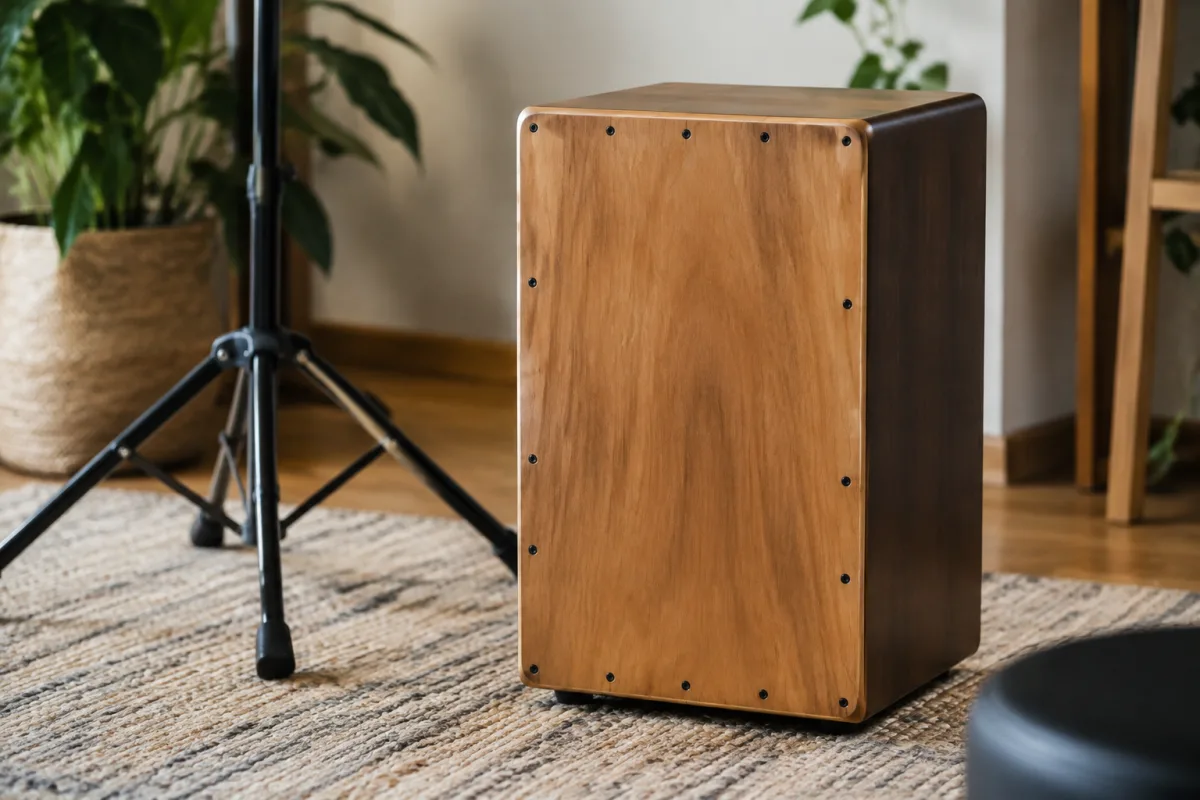
An electric cajon represents a modern reimagining of the traditional wooden cajon drum. Where acoustic cajons produce warmth and organic tone through wood resonance and string vibration, an electric cajon adds electronic sounds, effects processing and triggering capabilities. This hybrid instrument opens new creative possibilities for percussionists, producers and electronic musicians.
What Is an Electric Cajon?
An electric cajon is a percussion instrument that combines cajon playing technique with electronic sound generation. Traditional cajons — wooden boxes you sit on and strike with hands — remain acoustic and purely mechanical. An electric cajon adds pickup sensors, built-in sounds and effects, allowing a player to trigger drums, synths and loops whilst playing.
Some electric cajons retain acoustic cajon elements; you strike wooden surfaces that trigger electronic samples alongside acoustic resonance. Others are pure electronic controllers — no acoustic component at all, just sensors beneath a playing surface that detect strike intensity, location and timing, then play sounds based on that input.
Acoustic vs. Electric Cajon
A traditional acoustic cajon produces one essential sound — the warm, percussive thump of a wooden box struck by hands. An electric cajon expands on this foundation. Strike the top of an acoustic cajon and you hear one predictable tone; strike the same spot on an electric cajon and it might trigger a kick drum, a wood block, a snare sample or a synthesised sound, depending on settings. The player controls which sound plays based on strike location and force.
This versatility makes an electric cajon valuable in contemporary music production. A drummer playing an electric cajon can layer multiple percussion voices from one instrument, creating dense rhythmic textures impossible on a purely acoustic cajon.
Common Types of Electric Cajon
Electric cajon designs vary widely. Hybrid electric cajon instruments maintain wooden construction and acoustic tone whilst adding electronic pickups and triggering. Pure electronic electric cajon pads use sensors alone, no wooden resonance. Some electric cajon models include built-in sounds; others connect to external synthesisers via MIDI (Musical Instrument Digital Interface), allowing any sound to be triggered from the electric cajon.
Battery-powered electric cajon units are portable and independent; USB-powered electric cajon devices require connection to a computer or power supply. Each approach suits different playing contexts.
Electric Cajon in Live Performance
Electronic musicians and percussionists increasingly incorporate electric cajon into live shows. An electric cajon player can layer drum patterns, add effects in real time and trigger loops without stepping away from their instrument. The tactile, hands-on nature of an electric cajon makes it engaging for audiences — they see physical playing creating varied sounds rather than watching someone trigger samples from a computer.
For flamenco-influenced music, world music and contemporary pop, an electric cajon offers both acoustic character and modern electronic possibilities in one instrument.
Electric Cajon in the Studio
Studio producers value electric cajon for its flexibility and distinctive character. Record an acoustic cajon and you capture the wooden tone; record an electric cajon and you have a hybrid instrument capable of producing multiple percussion colours in a single take. Some producers layer multiple recordings of the same electric cajon playing different sounds, building rich rhythmic textures.
MIDI-capable electric cajon instruments also allow producers to trigger drum samples, software synthesisers and other audio without leaving the percussion track, adding depth and nuance to production.
Playing Technique on an Electric Cajon
Playing an electric cajon uses techniques similar to acoustic cajon playing — striking with hands, fingers and sometimes brushes or soft mallets. The key difference is learning which strikes trigger which sounds. Different zones of the electric cajon surface might trigger different sounds; striking harder might increase volume or trigger a different drum layer.
Most electric cajon instruments allow customisation of which sounds live in which zones, empowering players to create personal maps that match their playing style. This configurability is one of the electric cajon's advantages over fixed acoustic designs.
Sound Possibilities With an Electric Cajon
The sonic range of an electric cajon extends far beyond percussion. Many electric cajon units include drum kits, electronic synth sounds, bass tones and effects. Strike your electric cajon hard for sharp attack; strike softly for quiet effects. Use the velocity — how hard you strike — to control volume and timbre dynamically.
Connecting an electric cajon to external effects processors lets you add reverb, delay, distortion and modulation, transforming each strike into layered, atmospheric textures. This creative potential is why electronic producers favour electric cajon over simpler percussion controllers.
Portable and Practise-Friendly
Unlike acoustic cajon, which requires significant space and produces substantial volume, an electric cajon practised silently through headphones allows quiet practise in apartments or late at night. This accessibility makes electric cajon attractive to students learning percussion in noise-sensitive environments.
Maintenance and Durability
Electric cajon instruments require basic care. Protect sensors and circuitry from moisture and dust. Keep wooden surfaces clean and stable in temperature. Replace batteries regularly in battery-powered electric cajon units. Most modern electric cajon devices are durable and reliable when treated well.
Choosing an Electric Cajon
Selecting an electric cajon depends on your needs. A student wanting to learn cajon basics with electronic possibilities might favour an affordable battery-powered electric cajon with 10–15 built-in sounds. A professional performer might invest in a premium hybrid electric cajon with acoustic tone, extensive sound libraries and advanced triggering options.
Test an electric cajon before purchasing if possible. The feel of striking the surface, responsiveness of sensors and quality of built-in sounds vary significantly between models.
Conclusion
An electric cajon bridges traditional percussion and modern electronics. It preserves the tactile joy of hand drumming whilst opening possibilities for layering, effects and triggering that purely acoustic cajon cannot match. Whether you're a flamenco musician expanding your sound palette, a producer seeking rhythmic textures or a percussionist exploring electronic music, an electric cajon offers a compelling instrument that blends old and new.


Comments