


Bass Drum Kick Pedal Buying guide
Bass Drum Kick Pedal: A Complete Buyer's Guide
Choosing the right bass drum kick pedal affects comfort, speed, and durability. This buying guide covers action types, specifications, price ranges, and how to avoid costly mistakes.
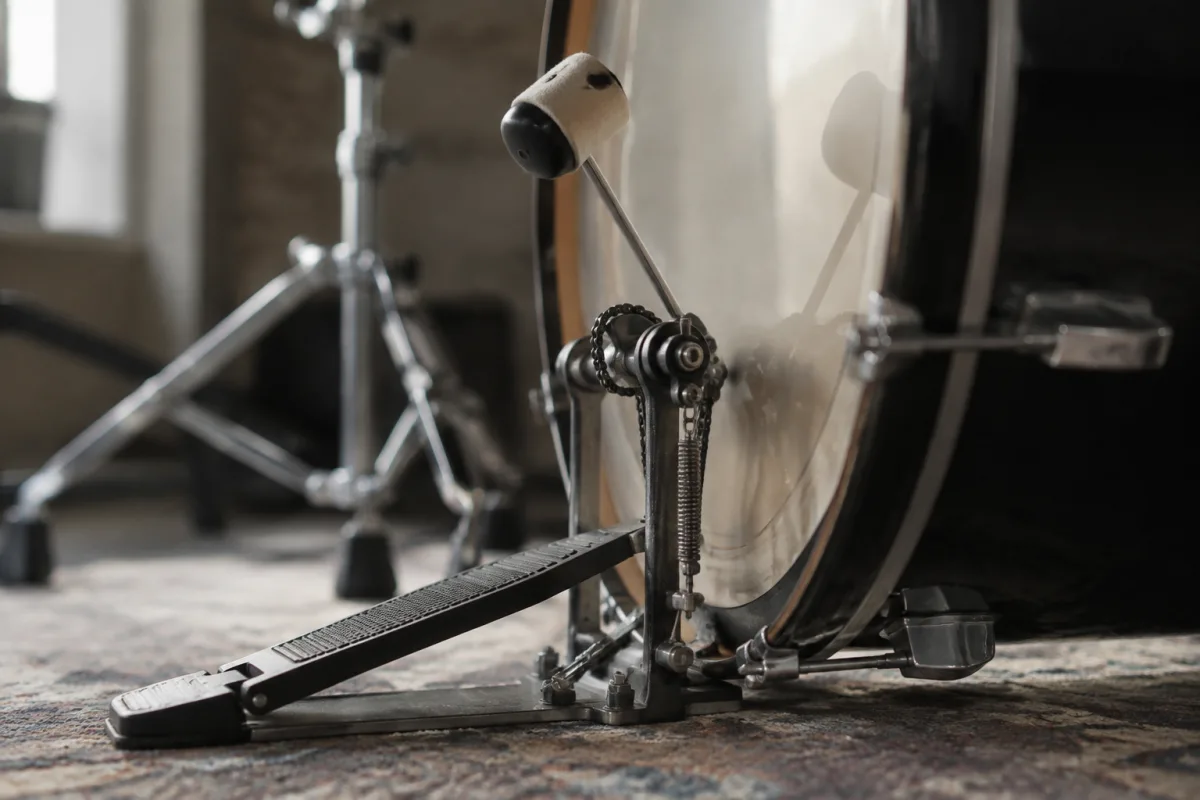
Buying a bass drum kick pedal is a decision that directly affects your playing comfort, speed, durability, and tone. Yet many drummers make the purchase based on price alone or what looks cool, then spend months frustrated with poor feel or reliability. Understanding the key differences between kick pedal types, what specifications actually matter, which hardware holds up under regular playing, and what price tiers genuinely deliver will help you buy with confidence. This guide focuses entirely on the practical considerations for choosing and purchasing a bass drum kick pedal—how to evaluate options, avoid common mistakes, and select one that matches your playing style and budget.
Understanding Kick Pedal Action Types
The action type—how the pedal mechanism transfers your foot movement to the beater—is the most fundamental decision. Each type offers different feel, speed, and tone characteristics:
- Single Chain drive: A chain connects the footboard to the beater cam. Standard, reliable, and affordable (typically £50–£150). Smooth, consistent feel. Slightly slower response than belt or cam. Good all-rounder for most playing styles.
- Double chain (twin pedals): Two chains, one for each foot. Allows more complex footwork. Typically £80–£200. Double chain pedals are heavier and bulkier; only buy if you're committed to developing double bass technique.
- Belt drive: A belt instead of a chain. Typically £80–£200. Quieter, smoother response, faster rebound. Popular with modern metal and jazz drummers. Slightly more expensive but worth it for feel.
- Cam drive: A rotating cam instead of chain or belt. Usually £100–£300. The fastest response and most defined feel. Professional preference for heavy, fast playing. Less forgiving for beginners but superb once you adapt.
- Direct drive (Strap): Rare but available. Strap connects directly to beater without chain or belt. Very fast, very responsive, very niche. Usually £150–£400. Only consider if you've used other types and specifically want direct drive.
For most drummers buying their first quality pedal, chain or belt drive (£80–£200) offers the best balance of playability, reliability, and value.
Beater Type and Tonal Characteristics
The beater—the part that strikes the drum head—comes in different materials and weights, affecting tone and playing feel significantly. Here's what matters:
- Felt beater: Warm, punchy tone. Suitable for jazz and rock. Medium attack. Most beginner pedals use felt. Standard choice.
- Wooden beater: Brighter, more defined tone with faster attack. Popular in metal and progressive music. Provides more "click" and articulation.
- Plastic or Nylon beater: Sharp attack, cutting tone. Excellent for cutting through dense mixes. Modern, punchy sound preferred in contemporary rock and metal.
- Dual-sided or adjustable beaters: Some pedals allow switching between felt and wood or hard surfaces. Versatile, but adds complexity. Usually found on £150+ pedals.
Most quality pedals include a felt beater standard, with replaceable options available. Consider what tonal character you want before buying. You can always swap beaters later, but stock beater choice indicates the pedal's intended market (jazz vs. metal, etc.).
Key Specifications to Check Before Buying
Footboard Angle and Length: The footboard should feel natural for your foot position and playing style. Some drummers prefer flat, others angled. Longer footboards offer more leverage; shorter ones feel more direct. Try before buying if possible.
Spring Tension and Feel: Spring tension determines how quickly the beater returns after striking. Lighter tension feels more responsive; heavier tension feels more controlled. Most pedals have adjustable springs. Check that springs operate smoothly without binding.
Bearing Quality: Bearings allow the cam or chain to rotate smoothly. Quality bearings use sealed ball bearings that last years; cheap pedals use loose bushings that wear quickly. Feel for smoothness when working the pedal; any grinding or sticking is a red flag.
Baseplate Stability: The baseplate should sit flat and not rock. Place the pedal on a flat surface and check for wobble. Any instability means you'll chase the pedal around during fast playing. Unacceptable, even on budget pedals.
Clamp Quality: The clamp that attaches to your bass drum should grip firmly without slipping. Tighten it and ensure it holds absolutely solid. Slipping clamps are dangerous and frustrating. Modern clamps use dual screws for better security.
Chain or Belt Condition: Check for kinks, fraying, or damage. Worn chains or belts affect responsiveness and can fail mid-performance. Replacement chains/belts cost £15–£30, so factor that in if buying used.
Price Tiers and What You Actually Get
| Price Tier (GBP) | Action Type | Quality Level | Best For |
|---|---|---|---|
| £40–£80 | Basic chain | Entry-level. Basic components, plastic footboard, loose tolerances. Functional but feels cheap. | Beginners, learners, occasional drummers |
| £80–£150 | Chain or belt | Mid-range. Solid construction, metal components, smooth action. Reliable for regular playing. | Intermediate players, gigging drummers, most serious hobbyists |
| £150–£300 | Belt, cam, direct drive | Premium. Tight tolerances, quality bearings, adjustable settings. Professional-grade feel and reliability. | Professional drummers, studio work, demanding players |
| £300+ | High-end cam or custom | Elite. Boutique construction, exotic materials, custom options. Maximum performance and durability. | Pros, collectors, specific demanding applications |
Most drummers find their ideal pedal in the £80–£200 range. Cheaper pedals feel sluggish and wear out quickly. More expensive pedals offer refinement, but that matters mainly if you're recording professionally or playing extremely fast music.
Common Purchasing Mistakes
Mistake 1: Buying based on brand name alone. A name brand doesn't guarantee quality. Mid-tier pedals from emerging brands sometimes outperform expensive pedals from established names. Test multiple brands before deciding.
Mistake 2: Ignoring the clamp system. A pedal with the perfect feel is useless if the clamp slips or damages your bass drum. Check clamp quality carefully. Dual-screw clamps are superior.
Mistake 3: Choosing double chain without commitment. Double chain pedals are heavy, complex, and only worthwhile if you're actively practicing double bass technique. Don't buy one "just in case" or expecting to learn later. Beginners should start single.
Mistake 4: Not testing the pedal with your kit. Feel in a shop isn't identical to feel on your actual bass drum. If possible, try the pedal on your kit before purchase, or buy from a dealer with a return policy.
Mistake 5: Underestimating maintenance costs. Budget £15–£50 annually for replacement parts—springs, beaters, chain lubricant. Poor maintenance ruins even quality pedals. Buy one you're willing to maintain.
Mistake 6: Accepting poor hardware build quality. Check all metal components for smooth operation, no grinding or sticking. A baseplate that rocks slightly or springs that bind are unacceptable. Don't compromise on this.
Trying Before You Buy
If possible, visit a shop and play several pedals side by side. Focus on feel, response, and stability. Play basic beats and fast double strokes to assess real-world performance. Ask the shop to let you test it on their bass drum if available. Online purchases require detailed photos, manufacturer specifications, and ideally video demonstrations. Buy from retailers with 14-day return policies in case the pedal doesn't suit your playing style.
Making Your Final Decision
Buying a bass drum kick pedal comes down to matching specifications to your playing style, budget, and preferences. Test multiple types if you can. Prioritize feel, clamp quality, and bearing smoothness over cosmetics or brand prestige. If buying new, stay in the £80–£200 range for excellent value and reliability. If buying used, check condition carefully and budget for possible repairs. Most importantly, remember that the "best" pedal is the one you'll play regularly and maintain consistently—not the most expensive or most hyped option available.
For more detailed information about bass drum kick pedals, maintenance, and advanced technique considerations, read our complete guide to bass drum kick pedals. Once you've selected your pedal, invest time in learning proper technique and maintaining it well. That's where the real value comes from.


Comments