
Vinyl Album Cases article
The Complete Guide to Vinyl Album Cases
Proper vinyl album cases protect records from damage and dust whilst displaying your collection beautifully. Discover storage solutions, environmental considerations, and organization tips for collectors.
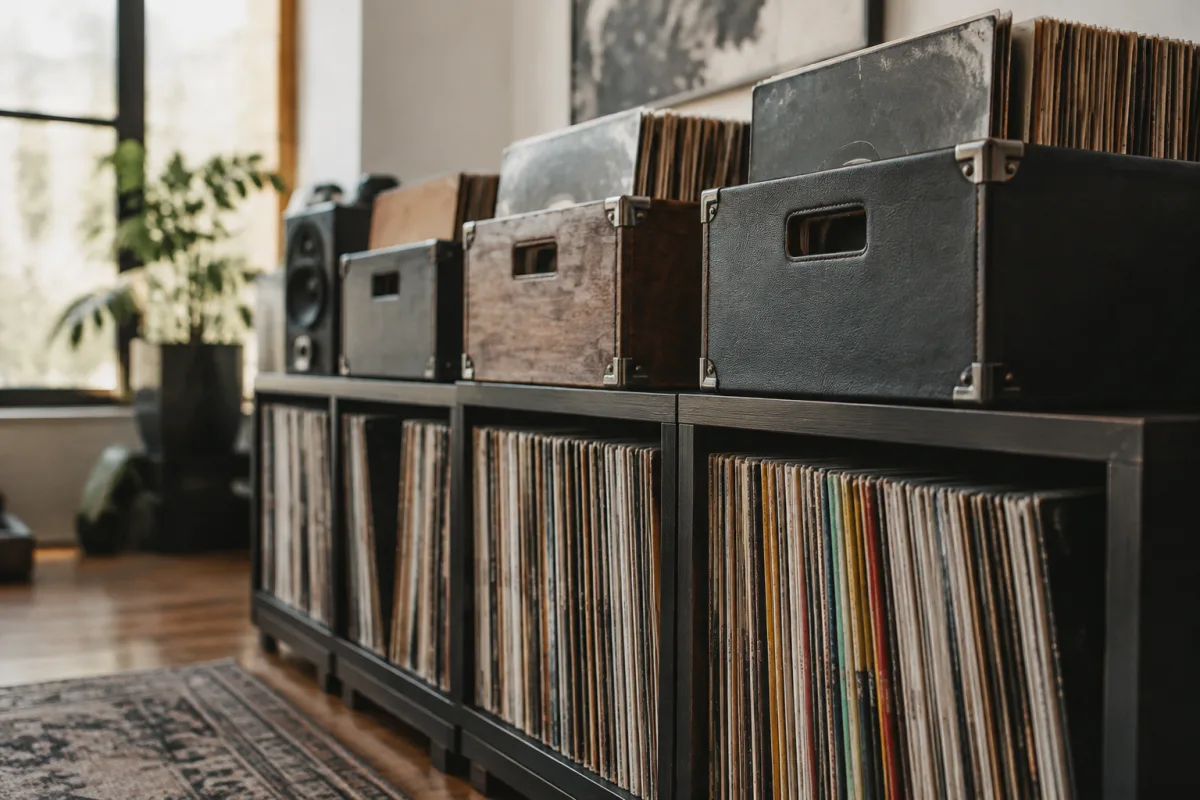
Vinyl album cases protect your records from damage, dust and direct sunlight, whilst also offering a chance to display your collection with style. Whether you're a collector building a serious library or a casual fan wanting to preserve a few favourites, choosing the right vinyl album cases makes a tangible difference to how long your records last and how accessible they remain. The right cases transform a pile of albums into an organized, beautiful collection.
Why Vinyl Album Cases Matter
Vinyl records are vulnerable. Dust settles into grooves, reducing sound quality. Sunlight fades covers and degrades record material. Temperature swings and humidity fluctuations warp records and promote mould growth. Careless handling scratches grooves permanently. A quality set of vinyl album cases addresses these threats by isolating records from environmental hazards and encouraging careful handling. Collectors who invest in proper storage keep their records playable for decades; those who leave albums stacked loosely watch their sound quality decline.
Beyond preservation, vinyl album cases show off your taste. A well-organised collection visible on shelves invites conversation and makes your passion tangible. Displaying vinyl celebrates both the music and the album art—a large part of vinyl's appeal today.
Standard Vinyl Album Case Types
Most vinyl albums use one of these case types:
Gatefold sleeves — The original vinyl packaging. A gatefold opens like a book, typically holding a single album inside plus a 12-inch x 24-inch cover. Many gatefold sleeves include internal sleeves, artwork, and liner notes. If your album came in a gatefold, keep it—these are the gold standard for protection and display.
Standard jackets — A simple cardboard sleeve holding the record in a paper inner sleeve. Most vinyl albums come this way. A quality outer jacket protects well; damaged ones need replacement.
Picture discs and coloured vinyl — Decorative variants that demand protection, since the visual appeal is half the point. Display-oriented vinyl album cases work best here.
Vinyl Album Cases for Storage and Organization
Beyond original packaging, several storage solutions exist:
Vinyl album storage boxes — Archival-quality cardboard or wooden boxes designed to hold 25–50 records, sorted by genre, artist or decade. These protect albums from light and dust whilst keeping them accessible.
Shelf-mounted vinyl album cases — Wire or wooden display racks that hold records spine-out, ideal for frequent listening and browsing. Less protective than boxes, but perfect for active collections you actually play.
Outer protective sleeves — Clear or tinted plastic sleeves that fit over a vinyl album jacket, protecting from dust, fingerprints and fading whilst leaving the cover visible. Affordable, non-invasive, and ideal for preserving worn covers.
Record storage crates and bins — Wood or plastic containers sorted by genre, format, or collection phase. Popular for DJs organising professional record crates for travel and performance.
Choosing Vinyl Album Cases by Format
| Format | Recommended Case | Rationale | Cost |
|---|---|---|---|
| Standard jacket (generic) | Outer protective sleeve + storage box | Double protection without invasiveness | £1–£3 per album |
| Gatefold original | Display shelf or archival box | Preserve the opening experience; gatefolds are statement pieces | Shelf: free (use existing); box: £30–£60 |
| Picture disc or coloured vinyl | Display shelf or protective sleeve | The visual appeal is the point; keep it visible and protected | Shelf: free; sleeve: £1–£2 |
| Rare or expensive pressing | Climate-controlled storage + outer sleeve + box | Serious investment demands serious protection | £50–£200+ per album (storage solution) |
| DJ collection | Portable record crate | Organized, mobile, accessible for gigs | £30–£100 per crate |
Vinyl Album Cases: Environmental Considerations
Record storage must account for environment:
Light exposure — Direct sunlight fades covers and degrades vinyl over time. Store vinyl album cases away from windows or use opaque, archival boxes.
Temperature stability — Extreme heat warps records and degrades artwork. Avoid attics (too hot in summer), basements (damp), or anywhere with temperature swings. A cool, stable interior space (15–25°C) is ideal.
Humidity control — High humidity promotes mould and warping; too dry causes vinyl brittleness. 40–60% relative humidity is optimal. Avoid damp basements; if storing there, use dehumidifiers and check regularly.
Air quality — Dust and smoke damage records. Store vinyl album cases in clean, smoke-free spaces. Use dust covers or sealed boxes.
Budget-Conscious Vinyl Album Cases
You don't need expensive cases to protect vinyl well. Start here:
- Clear polypropylene outer sleeves (£0.50–£1 per album) — Protect without altering originals. Affordable at scale.
- Cardboard storage boxes (£20–£40) — Hold 25–50 albums, protect from light and dust, organizable by genre.
- Wooden shelves and brackets (£30–£100) — Display favorites spine-out, accessible and beautiful. Many DIY options exist.
- Plastic milk crates (£5–£10) — Unconventional but functional for temporary or portable storage. Not ideal for long-term preservation.
Even a casual collector benefits from a few storage boxes and protective sleeves—a total investment of £30–£50 protects an album collection worth thousands.
Organizing Vinyl Album Cases
Organization transforms a collection from pile to library:
- Sort by genre, then alphabetically by artist. This works for most collectors.
- Chronologically for serious collectors interested in how your taste evolved.
- By listening frequency if you want frequent plays organized separately.
- For DJs, organize by tempo, genre and mix-compatibility for rapid selection during sets.
Label your vinyl album cases or storage boxes. A simple label saves searching and makes it obvious when a record is shelved incorrectly.
Conclusion
The right vinyl album cases protect your records, preserve their value and playability, and create a collection you're proud to display. Start with outer sleeves and storage boxes for protection, add display shelving for frequent favourites, and scale up as your collection grows. Whether you're building a casual collection or serious library, investing in proper vinyl album cases ensures your records sound and look great for decades to come.


Comments