
Vinyl Record Storage Case article
The Complete Guide to Vinyl Record Storage Case
A vinyl record storage case protects your collection during transport and storage. Learn about types, features and how to select the ideal case.
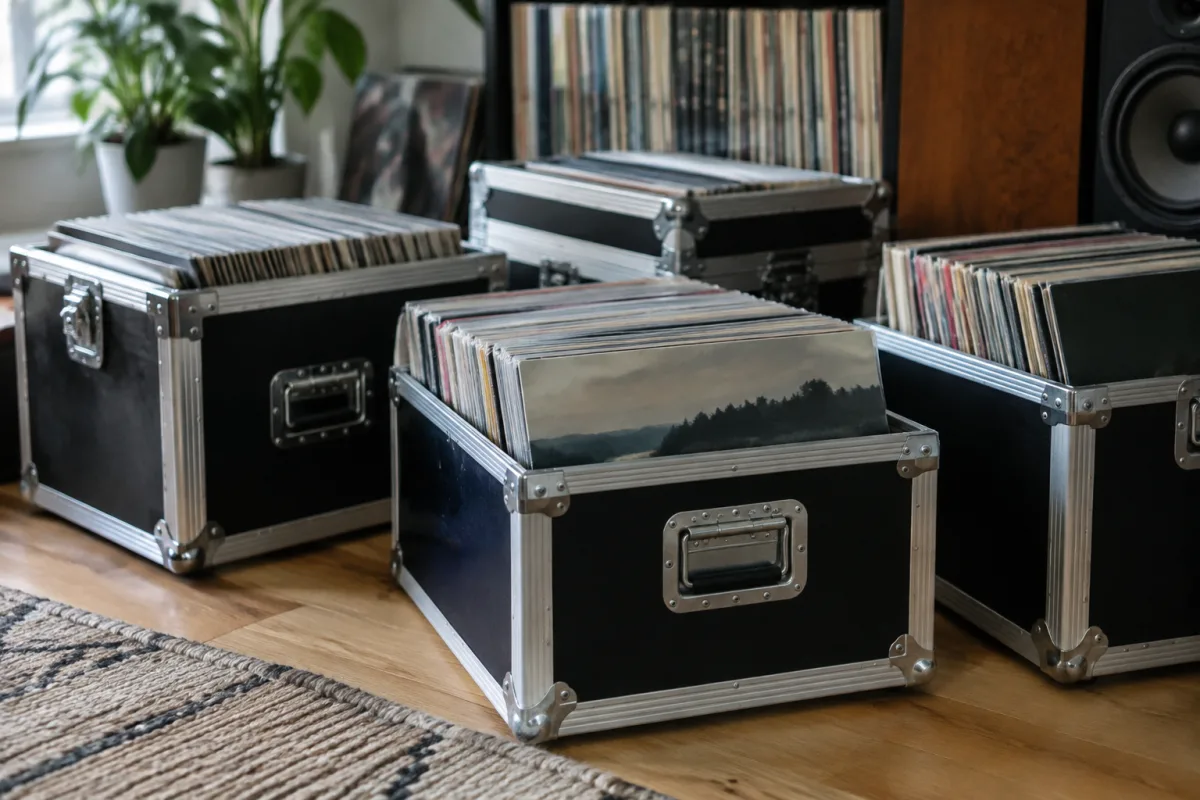
Vinyl Record Storage Case: Portable Protection for Collections
A vinyl record storage case combines portability with protective features, making it ideal for collectors who move frequently, DJs transporting records to gigs, or anyone seeking mobile access to their collection. Unlike stationary storage solutions, a good vinyl storage case keeps records safe during transport whilst remaining practical for regular use.
Why a Vinyl Record Storage Case?
Vinyl records are vulnerable during movement. Temperature swings, humidity fluctuations, physical shock and dust ingress all threaten sound quality and playback longevity. A dedicated vinyl record storage case protects against these hazards by providing isolation, climate buffering and secure compartmentalisation. Whether you are moving house, touring as a DJ or managing a collection in a climate-variable environment, a proper storage case is essential insurance for your records.
Vinyl record storage cases differ from playback crates: they prioritise protection and environment control over easy access. A storage case is meant to sit in a safe location; a playback crate is for active browsing and selection.
Types of Vinyl Record Storage Cases
Portable Carry Cases
Lightweight, compact cases holding 30–60 records, designed for hand transport. Materials include fabric over plywood frames, hard plastic shells, or lightweight plywood. Cost: £30–100. Ideal for casual collectors, DJs with small sets or anyone moving records short distances. Trade-off: less climate control, less protection from impact.
Rolling Flight Cases
Heavy-duty cases on wheels with telescoping handles, built from plywood or reinforced plastic. Hold 80–150 records. Interior features foam padding, adjustable dividers and climate-resistant linings. Cost: £200–500. Essential for touring DJs and professional collectors who move records frequently. Built to survive airline and roadie abuse.
Archival Storage Cases
Sealed boxes with acid-free liners, silica gel desiccants and climate-control gaskets, designed for long-term archival preservation. Suitable for rare, valuable or historically significant records. Cost: £150–500 per box. Overkill for casual collectors but invaluable for serious archivists and institutions.
Key Storage Case Features
| Feature | Why It Matters | What to Look For | Typical Feature Range |
|---|---|---|---|
| Padding/Cushioning | Absorbs shock during transport; prevents warping | Closed-cell foam, felt lining, egg-crate foam | 1–3cm padding thickness |
| Compartments | Keeps records upright and separated; prevents pressure damage | Adjustable dividers, dedicated 12" slots | 30–150 record capacity |
| Climate Control | Buffers humidity and temperature swings | Gaskets, desiccant chambers, sealed edges | Varies; some cases include silica gel |
| Portability | Determines practical use for transport | Handle, wheels, weight, ergonomic carry design | 2–15 kilograms |
| Exterior Durability | Protects against impact, moisture and dirt | Plywood or reinforced plastic shell, protective coating | Varies by case type |
Selecting the Right Storage Case
Assess your specific needs. Do you move records monthly, annually or rarely? Do you need wheels or just a handle? Is your environment climate-stable or prone to humidity swings? A casual collector moving once a year suits a portable carry case (£50–100); a touring DJ needs a flight case (£300–500); an archivist managing rare pressings justifies premium archival storage (£200–400+).
Capacity matters: buy slightly more capacity than your current collection to allow growth without purchasing another case. Interior design should keep records upright (never flat-stacked) with individual compartments preventing sliding and pressure.
Care and Maintenance of Vinyl in Storage Cases
Place the storage case in a stable, cool, dry location away from direct sunlight and temperature extremes. Check interior padding annually for mould or moisture (a sign of climate ingress). Replace or reactivate silica gel desiccants every 6–12 months. Inspect seals and gaskets for wear; replace if compromised. Handle the case gently; rough transport or stacking under heavy weight can compromise the structure.
Before sealing records in a case, ensure they are clean and dry. A slightly damp record sealed in a case can develop mould over weeks or months. Let freshly cleaned records air-dry thoroughly before storage.
Storage Case vs Stationary Crate
A vinyl record storage case prioritises portability and climate protection at the expense of access convenience. Stationary crates (50–100 record capacity, £50–150) offer easy access and modularity but expose records to ambient conditions. Use a storage case for inactive archives or infrequent moves; use crates for daily or weekly collection access.
Best For
- Touring DJs needing airline-rated flight case durability
- Collectors relocating house requiring short-term protection during transport
- Archivists and institutions managing rare or valuable pressings
- Collectors in humid or variable climates seeking climate-controlled storage
- Record dealers moving inventory between venues and storage
Verdict
A vinyl record storage case is practical insurance for your collection's integrity. Choose based on capacity, portability needs and climate control requirements. A quality storage case costs £80–400 and will preserve your records for decades. Whether you are a casual collector or a touring professional, investing in proper storage protection pays dividends in record longevity and peace of mind.



Comments