
Vinyl Record Player Turntable article
The Complete Guide to Vinyl Record Player Turntable
Vinyl record player turntables remain at the heart of vinyl's resurgence. Learn how turntables work, what makes quality equipment, and how to choose the right player for your needs.
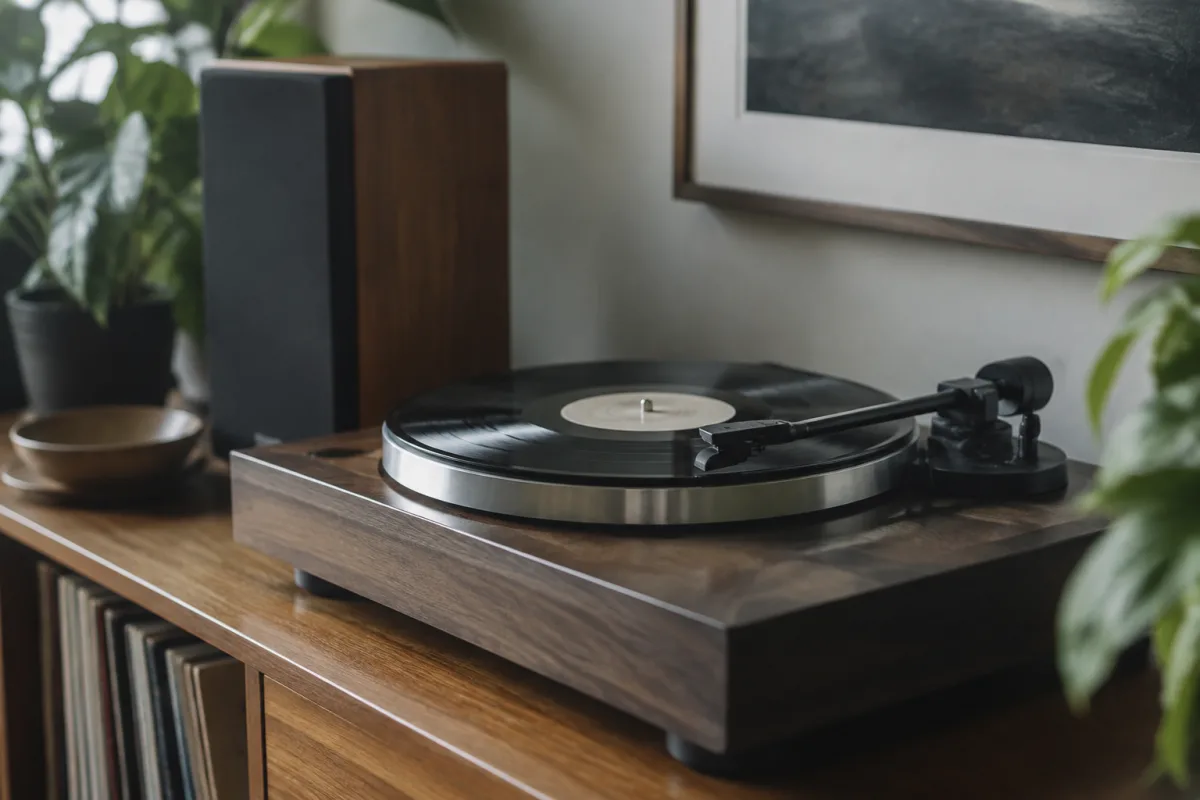
Vinyl record player turntables have experienced a remarkable renaissance in recent years, beloved by music enthusiasts, DJs, and collectors for their warm, authentic sound and tactile appeal. Whether you're a seasoned vinyl advocate or curious about joining the resurgence, understanding how turntables work and what makes a quality vinyl record player is essential to getting the most from your music.
What Is a Vinyl Record Player Turntable?
A vinyl record player turntable is an electromechanical device that plays circular vinyl records by rotating them at precise speeds whilst a needle (stylus) traces the spiral grooves etched into the record. These grooves contain encoded vibrations that, when converted by a cartridge, produce the sounds we hear. The turntable's motor, tonearm, and electronics work together to transform physical grooves into music.
Unlike digital formats, vinyl records contain analogue information—a continuous physical representation of sound waves—which many listeners argue produces a warmer, more natural tone than digital alternatives.
Key Components of a Vinyl Record Player Turntable
Understanding the essential parts helps you evaluate quality and troubleshoot problems:
- Platter: The rotating disc that holds the record. Better turntables use heavier platters (often metal) to reduce speed fluctuations and vibration.
- Motor: Drives the platter rotation. Direct-drive motors (common in DJ turntables) couple directly to the platter; belt-drive motors (audiophile preference) isolate vibration.
- Tonearm: The pivoted arm holding the cartridge and stylus. Quality tonearms balance weight and move smoothly across the record.
- Cartridge: Converts stylus vibrations into electrical signals. Moving magnet cartridges are common and replaceable; moving coil cartridges offer superior sound but cost more.
- Stylus (needle): Traces the record grooves. Diamond styli last longest; sapphire wears faster but costs less.
- Preamp: Boosts the weak signal from the cartridge so speakers or amplifiers can use it. Built into many turntables; separate preamps offer better quality.
Types of Vinyl Record Player Turntables
Different turntable designs serve different purposes:
- DJ turntables: Rugged, direct-drive models designed for scratching, beat-mixing, and heavy use. Examples include Technics SL-1200 and Pioneer PLX variants.
- Audiophile turntables: Belt-drive models emphasizing sound quality over durability. Often expensive but prized for critical listening. Brands include Rega, Technics SL-D, and Thorens.
- Entry-level turntables: Budget-friendly all-in-one players with built-in preamps and speakers, popular for casual listeners and newcomers.
- High-end turntables: Statement pieces costing thousands, with precision engineering and premium components for maximum sound quality.
Speed and Stability
Vinyl records play at fixed speeds—typically 33⅓ RPM (albums), 45 RPM (singles), and occasionally 78 RPM (historical records). Quality vinyl record player turntables maintain these speeds precisely; fluctuations introduce wow (pitch wavering) and flutter (rapid pitch variations). Direct-drive turntables excel at stability; belt-drive designs isolate vibrations but may drift if the motor is poor quality.
Many turntables include a built-in strobe light and adjustable speed settings to verify and correct playback speed if needed.
Cartridge and Stylus Considerations
The cartridge is where sound quality truly begins. Moving magnet (MM) cartridges are affordable and widely compatible; moving coil (MC) cartridges sound superior but require a more powerful preamp (or a dedicated MC preamp). Stylus pressure (tracking force) must be set correctly—typically 1.5–2.5 grams—to avoid excessive record wear whilst ensuring proper groove contact.
Styli wear out over time; depending on stylus material and usage, expect to replace them every 1,000–2,000 hours of playing time. Regular replacement protects your records.
Choosing Your Vinyl Record Player Turntable
Budget remains the primary consideration. Entry-level turntables (£100–300) suffice for casual listening; mid-range models (£300–1,000) balance quality and cost; high-end turntables (£1,000+) pursue sonic perfection. Consider your intended use: DJing demands durability and precise speed control, whilst collecting requires gentle handling and accurate tracking.
Look for built-in preamps if you're connecting directly to powered speakers; separate preamps offer better sound. Check cartridge compatibility and verify spare parts availability. Read reviews from trusted sources to assess real-world performance.
Vinyl Record Player Turntable Maintenance
Regular care extends turntable life and preserves sound quality:
- Keep the platter clean and free from dust.
- Replace worn styli promptly to prevent record damage.
- Clean records before playing with a soft brush or cloth.
- Avoid exposing turntables to extreme temperatures or humidity.
- Check and calibrate tracking force periodically.
Conclusion
A vinyl record player turntable is far more than nostalgia—it's a precision instrument that connects you directly to recorded music in a unique way. Whether you're attracted to vinyl's sound quality, physical appeal, or tactile engagement with music, choosing the right vinyl record player turntable and understanding its components sets the foundation for an enjoyable listening experience. From entry-level players for casual collectors to high-end models for serious audiophiles, turntables remain central to vinyl's enduring appeal.


Comments