
Portable Turntable Player article
The Complete Guide to Portable Turntable Player
A portable turntable player brings vinyl's warmth and ritual anywhere. This guide covers features, types, and expert tips for choosing and using one.
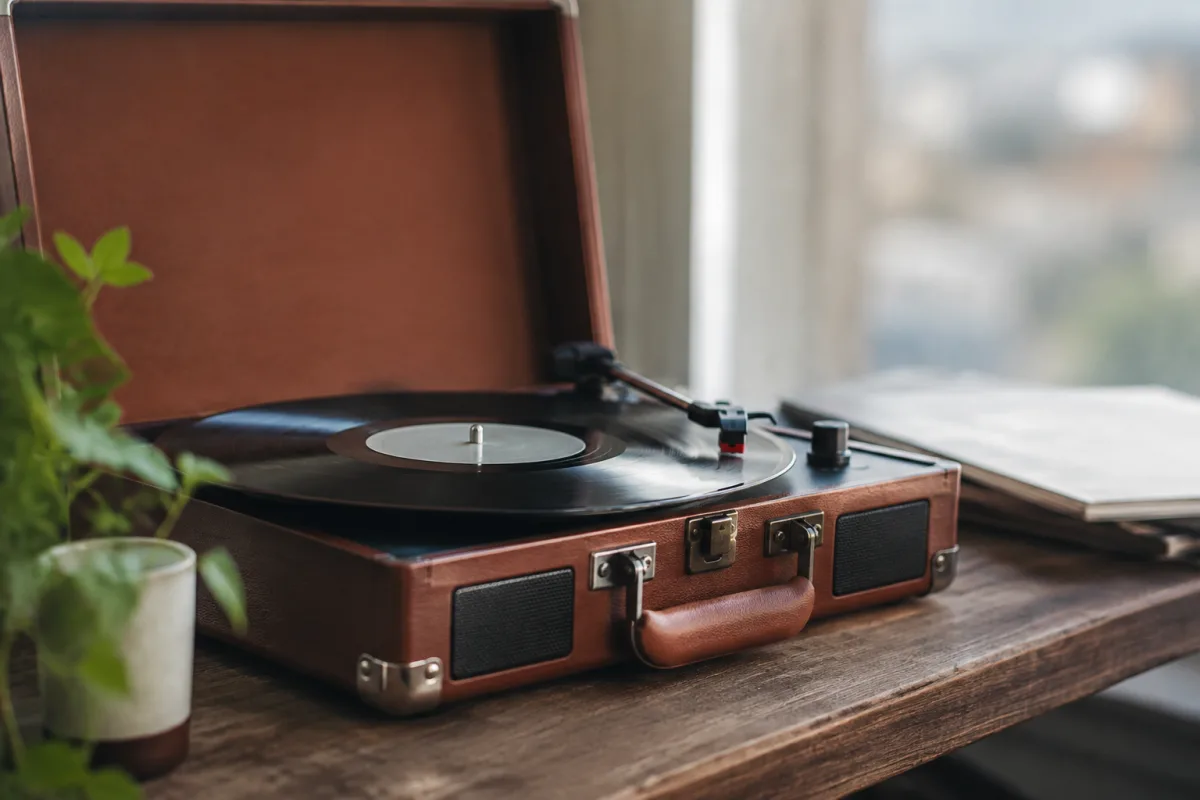
Vinyl has made a remarkable comeback, and a portable turntable player has become the perfect gateway into collecting and DJing. Whether you're a bedroom DJ, a collector, or someone who wants to spin vinyl at a friend's house, such equipment gives you flexibility without sacrificing sound quality. This guide walks you through everything you need to know about choosing and using one.
What is a Portable Turntable Player?
A portable turntable player is a compact, lightweight record player designed for mobility and convenience. Unlike stationary turntables, these units fit easily in a bag or case, making them ideal for DJs who gig regularly, collectors who want to play vinyl anywhere, or beginners exploring the format. Most feature built-in speakers, though some accept external audio gear for better sound reproduction.
The "portable" designation doesn't mean compromise. Modern machines can deliver impressive audio quality, accurate speed control, and solid build quality that rivals stationary setups. The key is understanding what matters most for your use case.
Key Features to Look For
Build Quality and Weight
A quality model strikes a balance between durability and weight. Look for units with sturdy platters, reliable tone arms, and protective cases included. Most weigh between 2 and 5 kilograms, making them genuinely portable without feeling flimsy. Heavier versions often track better (the platter has more stability), but they sacrifice true mobility.
Motor and Platter
The motor determines how steadily your turntable maintains speed. Direct-drive motors (like those in DJ-oriented models) offer superior speed stability and torque, essential for scratching and beat-matching. Belt-drive systems, common in budget options, work well for casual listening but can be less precise for DJing.
Tone Arm and Cartridge
A well-balanced tone arm reduces tracking force, protecting your vinyl and cartridge. Entry-level machines often have higher tracking force, which works for robust records but wears them faster. Many modern models now use moving magnet cartridges, which are robust and easy to replace.
Speed Control
Look for adjustable speed (typically 33⅓ and 45 rpm for vinyl). Some models add a pitch control slider, invaluable for DJs who need to speed up or slow down tracks to match tempos. This is a premium feature, often found in higher-end equipment.
Types of Portable Models
| Type | Best For | Typical Features | Price Range |
|---|---|---|---|
| Entry-Level Portable | Casual listening, beginners | Belt-drive, built-in speakers, USB output | £50–150 |
| Mid-Range DJ Portable | Bedroom DJing, small gigs | Direct-drive or quality belt-drive, pitch control, RCA outputs | £150–400 |
| Premium DJ Portable | Professional DJing, touring | Direct-drive, precise speed, robust platter, premium cartridge | £400+ |
| Turntable Suitcase | Maximum convenience, all-in-one | Built-in mixer, speakers, controls — everything in one case | £200–600 |
Portable vs. Standard Turntables
The main trade-off is convenience versus sound quality. A full-sized stationary turntable, paired with quality speakers and an amplifier, will always outperform a portable turntable player in isolation. However, modern equipment delivers excellent sound, and these units shine in contexts where a stationary setup isn't practical. If you're hauling gear to gigs, playing at multiple venues, or simply moving flats frequently, a portable model makes perfect sense.
For home listening, you might prefer a stationary setup. For DJing or travel, portability wins every time.
Tips for Getting the Best Results
- Keep it level. Always place your equipment on a flat, stable surface. Even slight tilts throw off balance and damage your records.
- Add external speakers. If sound quality matters, invest in decent battery-powered or USB-powered speakers. Built-in options are convenient but limited.
- Protect your records. Clean your vinyl regularly with a soft brush. Dust and debris damage both the record and your cartridge.
- Replace the stylus. A worn stylus damages records and degrades sound. Replace it every 500 hours of use or annually, whichever comes first.
- Invest in a good case. A protective carry case keeps your equipment safe during transport and protects the platter from dust and damage.
- Use quality cables. If you're connecting to external gear, proper shielded RCA cables reduce noise and hum significantly.
Beginner's Guide to Using Your Equipment
If you're new to vinyl and these machines, start by selecting records in good condition. Warped or heavily scratched vinyl is unforgiving on any turntable, especially units with higher tracking force. Clean your records before playing, set the tone arm carefully, and let the music play. You'll quickly develop an ear for quality.
Learn proper cueing technique: gently lower the tone arm at the record's edge and move it to your target track. Never drop it from height. Most users eventually graduate to dedicated DJ equipment, but these skills translate directly.
Maintenance and Care
A well-maintained model lasts for years. Keep it in its case when not in use, away from extreme temperatures and humidity. Clean the platter and tone arm occasionally. If yours has a replaceable stylus, budget for new ones regularly. Some models offer upgradeable cartridges — swapping in a better one can significantly improve sound quality.
Is This Right for You?
Such equipment makes sense if you spin vinyl on the go, want to introduce friends to vinyl without a full setup, or plan to gig regularly. If you're a serious collector who listens at home exclusively, a stationary turntable might serve you better. But for most modern music enthusiasts, quality portable options combine the ritual and warmth of vinyl with the freedom to play anywhere.
Conclusion
These machines have evolved dramatically. Today's models combine genuine sound quality, reliable engineering, and the mobility that makes vinyl accessible to everyone. Whether you're building your first collection, gigging locally, or exploring vinyl's resurgence, a portable turntable player is a sensible investment. Choose based on your actual use case, protect your records, and you'll find that spinning vinyl anywhere is one of modern music's quiet pleasures.



Comments