
Hi Fi Turntable System article
The Complete Guide to Hi Fi Turntable System
A hi-fi turntable system delivers audiophile-grade vinyl playback through precision engineering and quality components. Experience the transparency and warmth vinyl offers.
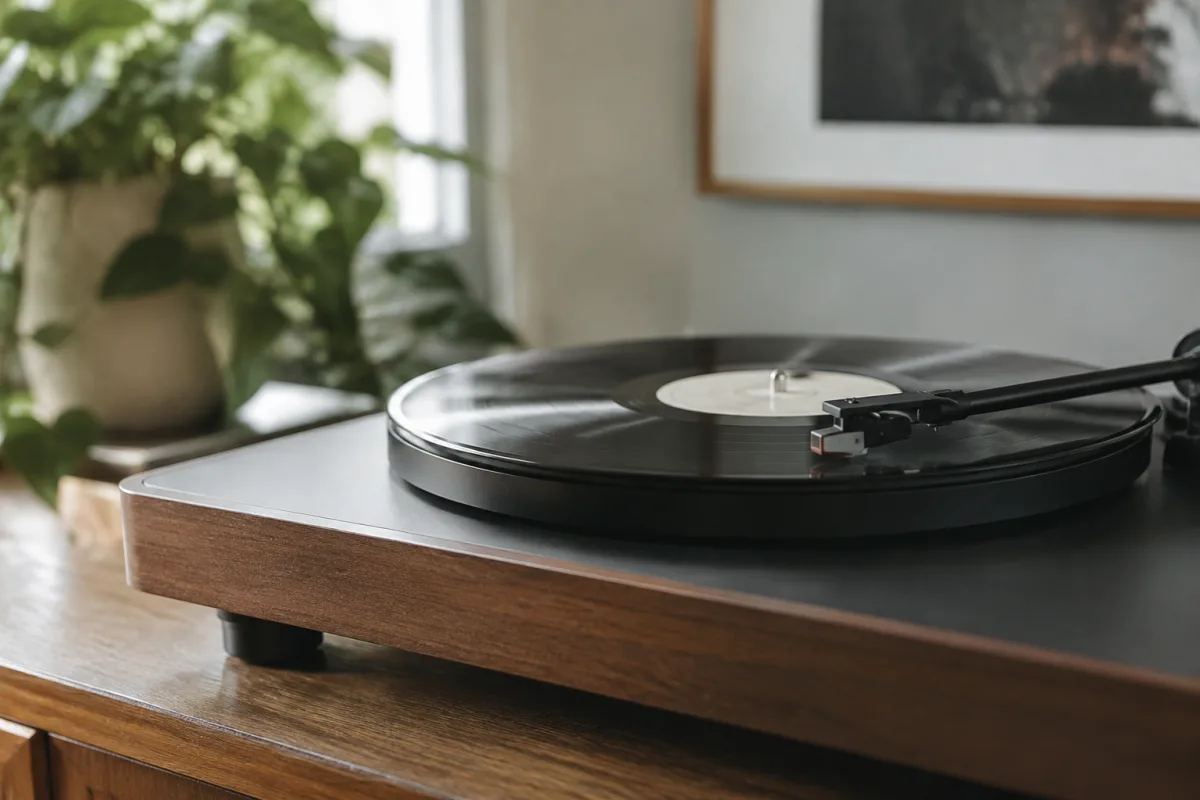
A hi-fi turntable system represents the pinnacle of vinyl playback quality, delivering sonic performance that captures every nuance recorded in the grooves of your records. For audiophiles devoted to vinyl's warm, analogue character and music enthusiasts seeking the most transparent playback possible, investing in a quality hi-fi turntable system transforms listening experience. Understanding the components and engineering that distinguish exceptional turntable systems helps you appreciate what separates high-fidelity playback from casual record playing.
What Makes a Hi-Fi Turntable System?
A hi-fi turntable system combines precise engineering, vibration isolation and high-quality components to extract maximum sonic information from vinyl records. The turntable itself — featuring stable platters, low-noise motors and carefully balanced tonearms — forms just one part of a complete hi-fi turntable system. A quality phono preamp, properly matched cartridge and vibration isolation platform all contribute to the overall sound quality that defines true hi-fi turntable system performance.
Unlike casual record players designed for convenience, a hi-fi turntable system prioritises every factor affecting sound quality. Motor noise, platter mass, bearing tolerances and tonearm geometry all influence the fidelity of a hi-fi turntable system. These factors accumulate to create the transparent, detailed playback characteristic of truly exceptional hi-fi turntable systems.
Key Components of a Hi-Fi Turntable System
The Turntable Itself
The turntable is the mechanical foundation of your hi-fi turntable system. A quality hi-fi turntable system features heavy platters resisting speed variation, low-noise motors with precise speed control, and robust bearing designs minimising friction and vibration. Belt-drive mechanisms common in hi-fi turntable systems isolate the platter from motor noise far better than direct-drive designs. A professional hi-fi turntable system platter typically weighs several kilograms, providing rotational stability that lighter models cannot match.
Tonearm
The tonearm of your hi-fi turntable system carries the cartridge across the record surface. A well-designed hi-fi turntable system tonearm maintains precise tracking force, minimises vibration and allows smooth, low-friction movement. Resonance management is crucial — tonearms in quality hi-fi turntable systems employ materials and geometry damping unwanted vibrations that degrade sound quality.
Cartridge
The cartridge transforms stylus vibrations into electrical signals, essentially determining the sound character of your hi-fi turntable system. Moving magnet cartridges suit most hi-fi turntable systems; moving coil designs in premium systems offer superior performance at higher cost. Cartridge compliance — how stiffly the stylus suspension resists motion — must match your tonearm mass. A properly matched cartridge to tonearm is essential for optimal hi-fi turntable system performance.
Phono Preamp
The phono preamp amplifies the tiny signal from your cartridge whilst applying precise RIAA equalisation. A quality phono preamp in your hi-fi turntable system contributes substantially to overall sound quality. Budget preamps introduce noise and distortion; professional-grade phono stages provide transparent amplification where input subtlety becomes audible output clarity in your hi-fi turntable system.
Isolation Platform
Vibrations from footsteps, loudspeakers and other environmental sources degrade hi-fi turntable system performance. Quality isolation platforms decouple the turntable from the support surface, dramatically reducing mechanical interference. A dedicated hi-fi turntable system isolation platform may cost as much as the turntable itself but consistently improves performance significantly.
Understanding Hi-Fi Turntable System Performance Metrics
Speed Stability (Wow and Flutter)
Wow (slow speed variations) and flutter (rapid speed variations) introduce subtle pitch instability audible as warbling. Quality hi-fi turntable systems maintain speed stability within 0.1% or better, resulting in rock-solid pitch stability. Budget turntables often exceed 1% variation, creating obvious pitch instability that undermines fidelity.
Signal-to-Noise Ratio
Motor noise, bearing friction and mechanical rumble manifest as background noise in your hi-fi turntable system playback. Professional hi-fi turntable systems achieve signal-to-noise ratios exceeding 80dB, making system noise imperceptible during normal listening. Budget systems often generate audible rumble during quiet passages.
Tracking Force and Pressure
Tonearm tracking force must match cartridge requirements precisely. Excessive force damages records and cartridge stylus; insufficient force causes skipping and channel separation issues in your hi-fi turntable system. Quality hi-fi turntable system tonearms enable precise force adjustment within 0.05g increments.
Choosing a Hi-Fi Turntable System
Entry-level hi-fi turntable systems (£300–700) offer genuine quality improvements over casual turntables, featuring quality bearings, low-noise motors and respectable tonearm engineering. Mid-range hi-fi turntable systems (£700–1500) deliver sonic transparency approaching professional standards. Professional-grade hi-fi turntable systems (£1500+) represent the pinnacle of vinyl playback, employing exotic materials and precision engineering that rewards years of listening pleasure.
Evaluate complete hi-fi turntable systems rather than individual components. A well-integrated system where turntable, tonearm, cartridge and isolation platform work cohesively outperforms mismatched component combinations. Professional dealers can suggest balanced configurations maximising performance within your budget.
Setting Up Your Hi-Fi Turntable System
Proper setup profoundly affects hi-fi turntable system performance. Place your turntable on a level, isolated platform away from loudspeakers and vibration sources. Align the cartridge precisely — even slight misalignment introduces distortion in your hi-fi turntable system. Set tracking force and anti-skate carefully following cartridge specifications. Allow your hi-fi turntable system time to stabilise before critical listening — quality systems often require several hours of operation before achieving optimal performance.
The Bottom Line
A hi-fi turntable system elevates vinyl playback from casual entertainment to profound musical experience. The precision engineering, quality materials and careful attention to detail that define exceptional hi-fi turntable systems reward listeners with transparency and sonic richness unavailable through other playback formats. Invest thoughtfully in a hi-fi turntable system matched to your space and budget, set it up meticulously, and discover why vinyl enthusiasts remain devoted to hi-fi turntable systems despite digital formats' obvious convenience.


Comments