


Turntable Slipmat Buying guide
Turntable Slipmat: A Complete Buyer's Guide
Confused about turntable slipmats? Learn what matters when choosing, which materials work best, and how to avoid common mistakes.
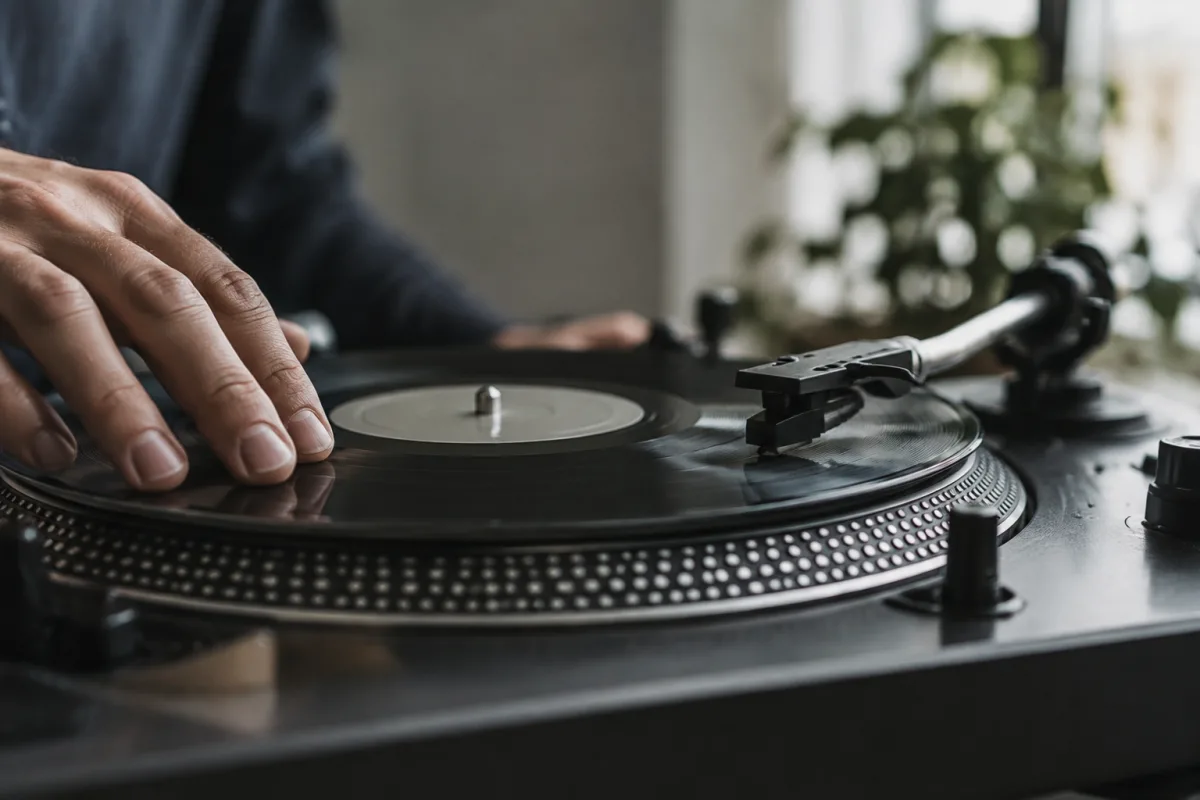
A turntable slipmat might seem like a small, insignificant accessory, but it's actually crucial for DJing. A slipmat is the textile or rubber surface that sits between your vinyl record and the turntable platter. It allows your record to stay in place while you manipulate the turntable itself—essential for scratching, pitch control, and manual beatmatching. Choosing the right slipmat directly affects your DJ performance, comfort, and creativity. This buying guide helps you understand exactly what matters when selecting your slipmat.
What a Slipmat Actually Does
Without a slipmat, your vinyl record and the turntable platter would spin together as one unit. A slipmat reduces friction between the record and platter, allowing you to hold the vinyl still or move it manually while the platter continues rotating beneath. This is fundamental to DJing—you need the record to slip so you can:
- Manually adjust playback position
- Create scratching effects
- Control tempo and pitch during transitions
- Create reverse effects
- Add creative touches and personality to your mixing
Without a slipmat, these techniques would be impossible. It's not luxury—it's essential equipment.
Slipmat Types and Materials
Different slipmats offer different performance characteristics based on their material composition:
- Felt slipmats: The standard choice. Typically made from wool or cotton-blend felt. Good all-purpose performance, decent grip, affordable pricing. Most DJs start with felt
- Rubber slipmats: More grip than felt, which some DJs prefer for more controlled scratching. Slightly heavier feel. Good for DJs who want resistance for precise manipulation
- Leather slipmats: Premium option with smooth glide. Some DJs love them; others find them too slippery. Often more expensive
- Microfibre slipmats: A middle ground offering decent grip and smooth glide. Modern material gaining popularity among DJs seeking balanced performance
- Paper slipmats: Budget option found in turntable bundles. Perform adequately but wear out quickly
Material choice is personal—different DJs prefer different performance characteristics. What matters is testing different options to find your preference.
Critical Specifications to Evaluate
When comparing turntable slipmats, focus on these characteristics:
- Friction level: How much resistance does the record have when you manipulate it? Too much friction makes scratching tiring; too little makes precise control difficult. Look for balanced, controllable slip
- Diameter: Slipmats come in standard 12-inch sizes for vinyl, but some turntables use slightly different sizes. Verify your turntable's specification before purchasing
- Grip and stability: The slipmat should hold the record centred without it sliding around. Poor grip causes records to move uncontrollably
- Durability: How long does it last before wearing out? Felt deteriorates over time; rubber tends to last longer. Budget for replacement if using slipmats regularly
- Thickness: Affects how the record sits on the platter. Too thin feels unstable; too thick can cause tracking issues. Most quality slipmats are 1.5-2mm thick
- Design and aesthetics: This matters less functionally but affects your enjoyment. You see it every time you DJ; choose something you genuinely like
Slipmat Price Tiers
Slipmat pricing is straightforward:
- Budget (£5-10): Basic felt or paper slipmats. Adequate performance but wear out relatively quickly. Fine for beginners or casual use
- Mid-range (£10-25): Quality felt slipmats with decent durability. Most DJs settle at this level. Good balance of price and performance
- Premium (£25-50): High-quality materials like leather or premium microfibre. Long-lasting, often aesthetically appealing. Worth the investment if you DJ regularly
- Limited edition/branded (£50+): Designer slipmats with art designs or celebrity branding. Performance may not justify premium pricing. Mostly for collectors or fans
Most DJs find mid-range slipmats offer excellent value. A £15-20 quality felt mat will serve you well for years.
Brand Reputation Matters
Reputable turntable manufacturers typically produce quality slipmats. Brands like Technics, Pioneer, Stanton, and Audio-Technica offer reliable options. Specialist DJ equipment retailers also carry quality third-party slipmats. Avoid suspiciously cheap slipmats from unknown sources—they often wear quickly or perform poorly.
Reading user reviews on DJ forums gives honest feedback about how slipmats perform in real use. Don't rely solely on marketing claims.
Common Mistakes When Purchasing
Avoid these typical pitfalls:
- Buying the wrong diameter: Verify your turntable's slipmat size before purchasing. Most vinyl turntables use 12-inch, but some are slightly different. Wrong size creates stability problems
- Choosing based on aesthetics alone: Beautiful design doesn't guarantee good performance. Prioritise functionality over looks
- Overlooking wear patterns: Read reviews about how quickly slipmats wear out. Cheap options might need replacing after a few months of heavy use
- Underestimating importance: A worn slipmat makes scratching difficult and reduces precision. Budget for replacement when needed
- Not testing before committing to one style: If possible, try different slipmats borrowed from DJ friends. Material preference is personal
- Buying multiple slipmats unnecessarily: One quality slipmat is all you need. You don't need separate ones for different turntables unless you're a multi-turntable DJ
Performance Characteristics by Material
Different materials suit different DJing styles:
- For scratching enthusiasts: Rubber or medium-grip materials offer resistance for precise control. Felt can feel too slippery for scratching-focused DJs
- For mixing-focused DJs: Felt offers smooth, effortless transitions. Less resistance means less finger fatigue during long sessions
- For versatility: Microfibre provides a balanced middle ground. Good for DJs who mix scratching and traditional transitions
- For aesthetics: Leather or premium materials look professional, though performance might not justify cost. Consider whether appearance matters for your venue
Installation and Maintenance
Slipmats require minimal maintenance, but care extends their lifespan:
- Keep your slipmat clean and free from dust and debris
- Store it flat when not in use; don't roll it up, which can cause creasing
- Replace it when it becomes visibly worn or loses grip
- Avoid excessive heat exposure, which can damage the material
Most quality slipmats last 6-12 months of regular DJ use before requiring replacement. Budget accordingly if you're playing frequently.
Making Your Final Choice
Start with a mid-range felt slipmat from a reputable brand (typically £10-25). This provides solid performance and reasonable value. As you develop your skills and preferences, you might explore other materials to fine-tune your feel. The performance difference between a £15 quality slipmat and a £100 designer mat is noticeable but incremental—invest in other gear like turntables or mixers before buying premium slipmats.
For detailed exploration of turntable accessories, vinyl care, and advanced scratching techniques that require proper slipmats, visit our comprehensive guide to turntable slipmats.
Your slipmat is a small but mighty piece of your DJ setup. Choose thoughtfully, use it well, and replace it when it wears. That's all you need for years of reliable performance.


Comments