


Slipmats Vinyl article
Slipmats Vinyl for Beginners: A Complete Guide
New to vinyl DJing? Slipmats vinyl are absolutely essential. This beginner's guide explains what they do, why they matter, how to choose quality ones, and how to use them properly.
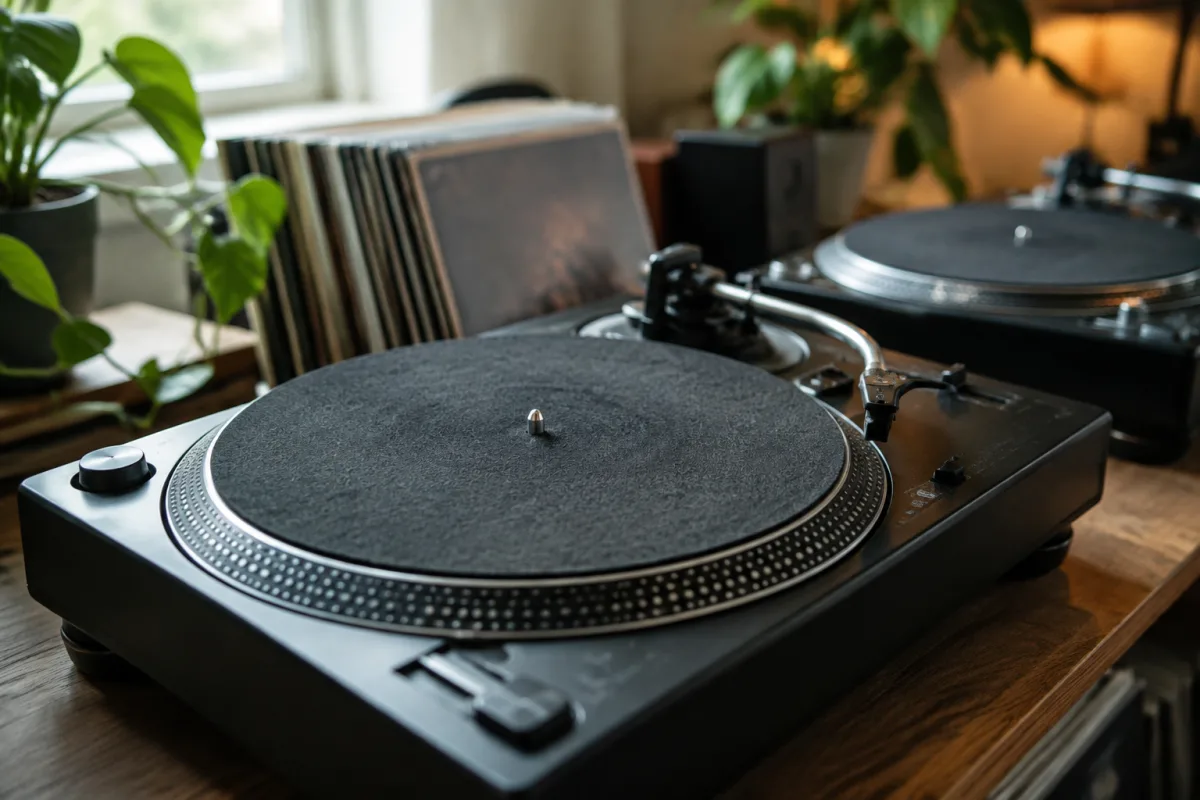
If you're getting into vinyl DJing, you might wonder why DJs use slipmats and whether you actually need them. The answer is straightforward: slipmats vinyl are absolutely essential for DJing. Without them, mixing is nearly impossible. This beginner's guide explains what slipmats vinyl actually do, why they matter, how to choose them, and how to use them properly.
What Slipmats Vinyl Actually Do
A slipmat is a felt mat that sits on top of your turntable platter underneath the vinyl record. Unlike the platter, which rotates with the turntable motor, the slipmat moves freely. This allows you to manipulate the record (scratching, spinning backwards, tempo control) while the platter keeps rotating underneath. Without slipmats vinyl, the record would spin with the platter, making mixing impossible. You couldn't slow down tracks for beat matching, scratch, or use any DJ techniques that require record manipulation. Slipmats vinyl are what make vinyl DJing possible at all.
Understanding Slipmat Materials
Slipmats vinyl come in different materials, each affecting how the record moves over the slipmat. Standard felt slipmats are traditional, affordable, and reliable. The felt provides consistent slip—the record moves smoothly but with enough grip to control. Cotton slipmats offer slightly different friction characteristics. Plastic or rubber slipmats provide more grip, useful if you find felt slipmats too slippery. Different DJs prefer different materials based on their technique. Beginners typically start with standard felt slipmats vinyl and experiment from there as they develop a preference.
Slipmat Size and Compatibility
Most slipmats vinyl are 12 inches in diameter, designed for standard turntables. This is universal. However, some specialist turntables use larger slipmats. Before buying, verify your turntable diameter and match it. A 12-inch slipmat won't fit a larger turntable properly. Reading your turntable's documentation takes two minutes and prevents ordering wrong-sized slipmats vinyl. Compatibility sounds obvious but many beginners overlook it.
Grip and Friction Characteristics
Slipmat friction determines how much control you have during scratching and mixing. Too much grip makes the record stick to the platter—you can't manipulate it smoothly. Too little grip makes the record slip uncontrollably. Standard felt slipmats vinyl offer a good middle ground. If your technique requires more control, thicker or grippier slipmats work better. If you want more freedom for scratching, lower-friction materials help. As your skills develop, you'll discover preferences. Starting with quality standard slipmats vinyl is wise—they work for most techniques.
Thickness and Durability
Thicker slipmats vinyl last longer before wearing out from heavy use. Thin slipmats feel cheap and wear quickly. Quality slipmats vinyl are dense, durable, and maintain their characteristics through months of regular playing. They're also less likely to curl or develop uneven wear spots. Investing in quality slipmats vinyl that last a long time is better than buying cheap ones you replace monthly. A good slipmat costs £5-15 and lasts six months to a year with regular use.
Aesthetic Considerations
Slipmats vinyl come in different colours and sometimes with printed designs. This is purely aesthetic—it doesn't affect functionality. However, visual appeal matters for motivation. If you like the way your setup looks, you'll be more excited to use it. Many slipmats vinyl are black, grey, or white. Some feature brand logos or custom designs. Choose based on personal preference. A slipmat you enjoy looking at is worth the small premium.
Installing Your First Slipmats Vinyl
Installing slipmats vinyl is straightforward. Remove any existing slipmat from your turntable. Place the new slipmat on the platter, making sure it's centred and lying flat. It should sit evenly with no wrinkles or bunched areas. Place your record on top. That's it—ready to use. Some DJs mistakenly think slipmats need adhesive or special attachment. They don't—they sit freely on the platter by gravity and record weight. This free movement is essential to their function.
Caring for Your Slipmats Vinyl
Keep slipmats vinyl clean and dry. Dust accumulates on them during use. Brush gently with a soft cloth or use compressed air occasionally. Don't soak them or use harsh cleaners—these damage the material. Store slipmats vinyl flat or rolled, never crumpled. Proper storage prevents permanent creases or warping. When slipmats vinyl eventually wear out, they start feeling sticky or lose grip consistency. This is normal—replace them. A worn slipmat doesn't ruin records but makes mixing frustrating.
Common Beginner Mistakes to Avoid
The biggest mistake is buying the wrong size for your turntable. Always verify compatibility before ordering. Another common error is using damaged or worn slipmats vinyl. Worn slipmats stop working properly and make mixing incredibly frustrating. Replace them when they wear out. Many beginners also forget to install slipmats vinyl correctly, placing them crooked or bunched. Take 30 seconds to ensure the slipmat is centred and flat. This small effort dramatically improves usability. Finally, some beginners buy cheap slipmats vinyl thinking they're all equivalent. Quality matters—better slipmats feel smoother and last longer.
Exploring Advanced Slipmat Techniques
As you develop as a DJ, you might experiment with different slipmats vinyl for different techniques. Some DJs use multiple slipmats—higher grip for scratching, lower friction for smooth mixing. You might discover that certain materials suit your style better. This experimentation is part of growing as a DJ. Start with standard felt slipmats vinyl and explore as your skills develop.
Buying and Budget Considerations
Quality slipmats vinyl are inexpensive—typically £5-15 each. Buying a pair (one for each turntable) costs £10-30. This is one of the cheapest essentials in vinyl DJing setup. Don't cheap out on slipmats vinyl. Budget options wear out quickly and feel cheap under your records. Mid-range slipmats vinyl are reliable and long-lasting. Premium branded slipmats vinyl offer slightly better materials but don't deliver dramatically different results. Spend £8-12 per slipmat and you'll be perfectly happy.
Slipmats vinyl are genuinely essential for vinyl DJing. They enable all the techniques and control that make mixing possible. Choose the right size for your turntable, select quality materials, install them properly, and maintain them reasonably. You'll wonder how DJs ever worked without them. For comprehensive information on everything about slipmats vinyl and vinyl DJing equipment, explore our complete guide to slipmats vinyl.


Comments