
LP Record Storage Cabinet article
The Complete Guide to Lp Record Storage Cabinet
An LP record storage cabinet preserves your vinyl collection from damage whilst keeping it organised and accessible. This guide covers what to look for in quality storage.
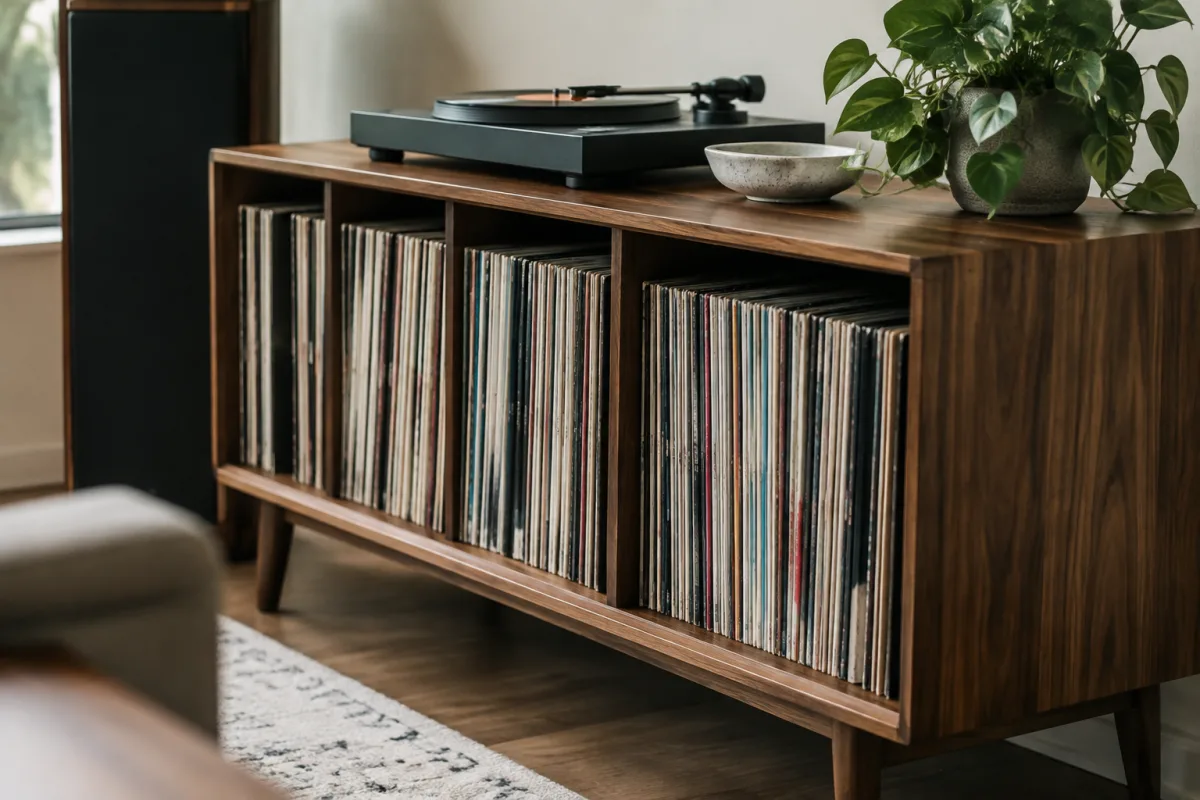
Vinyl collecting demands respect for your records, and storage is critical. An LP record storage cabinet protects your collection from dust, light, and temperature fluctuations while displaying your prized albums with pride. Whether you're building a modest collection or housing hundreds of records, this guide explains what to look for in a quality storage solution.
Why Proper Storage Matters
Vinyl records are delicate. Heat warps them; light fades sleeves; moisture damages the grooves; dust and debris scratch the surface. An LP record storage cabinet addresses these threats by providing a controlled environment. Quality cabinetry keeps your collection playable for decades, preserves resale value, and showcases your taste in music.
Poor storage ruins records. We've all seen warped albums or collections ruined by basement floods. A dedicated storage solution prevents that tragedy.
Types of Storage Solutions
| Type | Best For | Key Features | Price Range |
|---|---|---|---|
| Wall-Mounted Shelving | Small collections, limited space | Minimalist, modular, display-focused | £30–150 |
| Wooden Cabinet | Medium collections, home décor | Enclosed storage, moisture protection, finished wood | £150–600 |
| Dedicated Record Storage | Large collections, serious collectors | Archival-grade materials, climate control, locked doors | £300–1500+ |
| Vintage/Antique Cabinet | Collectors, statement piece | Character and history, varied durability | £100–1000+ |
Key Features of Quality Storage
Material and Construction
The best LP record storage cabinet uses solid wood or high-quality plywood that resists warping. Particle board and MDF are budget-friendly but absorb moisture, swelling and degrading over time. Look for cabinetry with sturdy joints, drawer slides that operate smoothly, and hinges that hold weight reliably. The interior should be smooth and splinter-free to protect your album sleeves.
Ventilation and Climate
Records need stable temperature and humidity. Quality storage allows gentle air circulation without trapping condensation. Some premium models include humidity sensors or passive climate management. Never place an LP record storage cabinet against an outside wall, in direct sunlight, or near heating vents. A cool, dry room keeps records in prime condition.
Capacity and Shelving
Vinyl is heavy — a full cabinet can weigh hundreds of kilograms. Shelves must be sturdy and adjustable to accommodate different album thicknesses. Most collectors prefer shelves spaced about 30 centimetres apart. An LP record storage cabinet holding 300–500 albums is a practical middle ground; larger collections need multiple units.
Accessibility
Your cabinet should make browsing and retrieving albums easy. Doors that open fully, clear labelling, and logical organisation keep the collection accessible. If you display records or frequently listen, a design that lets you see and reach everything comfortably is worth the premium.
Organising Your Collection
A well-organised storage unit transforms browsing into pleasure. Most collectors sort alphabetically by artist, by genre, or by year acquired. Use dividers to mark sections. Store vinyl vertically rather than stacked horizontally — stacking pressurises the bottom records and warps them. Keep sleeves clean and intact; they add value and protect the record inside.
Label your cabinet sections clearly so you (and guests) can navigate easily. Some collectors maintain a digital inventory, especially valuable for insurance.
Placement and Environment
Location is everything. Place your LP record storage cabinet in a climate-controlled room away from:
- Direct sunlight (fades sleeves, generates heat)
- Heat sources (radiators, fireplaces, vents)
- Damp areas (basements, bathrooms)
- Extreme cold (unheated sheds, garages)
Ideal conditions are 18–21°C and 40–50% relative humidity. A basement may feel cool, but it's often damp. An attic can reach extreme temperatures. A bedroom closet or interior hall is usually ideal.
Maintenance Tips
- Dust regularly. A soft cloth or microfiber duster keeps your cabinet and sleeves clean without damaging them.
- Check for moisture. If you notice any dampness or musty smell, improve ventilation or move the unit.
- Inspect shelves. Over time, heavy weight can sag shelves. Adjust supports or add reinforcement if needed.
- Clean records before storing. Remove surface dust with a record brush before placing albums back in your LP record storage cabinet.
- Monitor climate. An inexpensive thermometer and hygrometer help you track conditions inside the unit.
Choosing the Right Cabinet
Budget matters, but don't compromise on durability. A cheap LP record storage cabinet might cost less initially, but warping or moisture damage ruins your collection. Mid-range wooden cabinetry from reputable manufacturers offers excellent value. Premium dedicated solutions are worth considering if you own hundreds of records or rare albums.
For collectors just starting out, wall shelving or a basic wooden unit suffices. As your collection grows, upgrade to proper storage cabinetry designed for serious preservation.
Conclusion
An LP record storage cabinet is an investment in your collection's longevity. Quality cabinetry protects against the enemies of vinyl — heat, light, moisture, and dust — while keeping your records organised and accessible. Whether you're storing fifty albums or five hundred, proper storage honours both the music and the listening experience. Choose cabinetry that matches your collection size, suits your space, and provides the protection your records deserve. Your future self will thank you.


Comments