


12 Inch Record Storage article
The Complete Guide to 12 Inch Record Storage
Proper 12 inch record storage keeps your vinyl collection playable and protected for years. Find out how to store records upright, control temperature and humidity, and choose the right storage furniture.
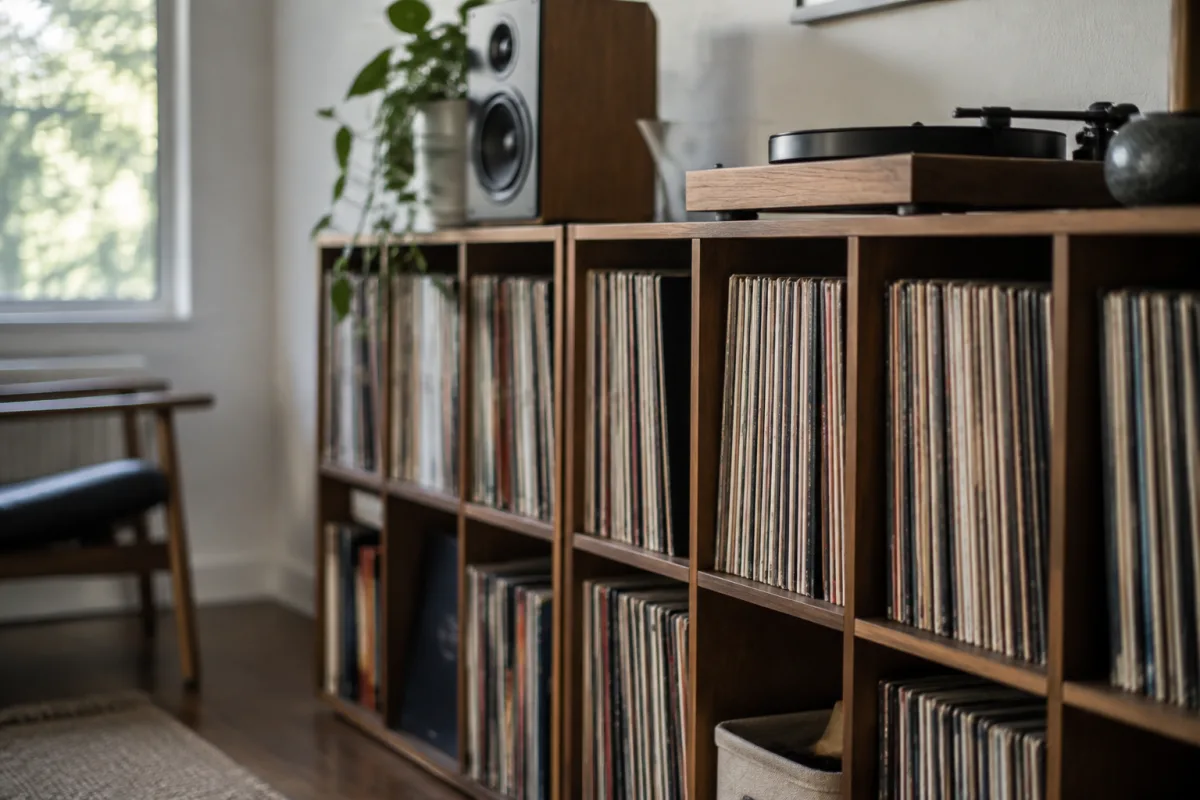
Whether you're a serious vinyl collector, a DJ building your record collection, or someone who simply cherishes the warmth of analogue music, proper 12 inch record storage is essential. Vinyl records, particularly 12 inch LPs and 12 inch singles used in DJ sets, require thoughtful care and organisation to preserve their sound quality and appearance. This guide explores the best approaches to storing your 12 inch records so they remain playable and enjoyable for years to come.
Why 12 Inch Record Storage Matters
A 12 inch vinyl record is a significant investment, whether you've paid £20 for a new release or far more for a rare pressing. Unlike digital files that exist as data, vinyl is a physical object prone to warping, scratching, and dust accumulation. Proper 12 inch record storage protects your collection from these threats whilst keeping your records easy to access and browse.
Poor storage conditions—high heat, humidity swings, sunlight, and physical pressure—degrade vinyl quickly. A warped record cannot be played without audible issues, and once a record is damaged, the harm is often permanent. By investing in suitable 12 inch record storage solutions, you ensure your collection remains in the condition you bought it in.
Temperature and Humidity Control
Vinyl is sensitive to environmental extremes. The ideal storage temperature for 12 inch records is between 60 and 70 degrees Fahrenheit (roughly 15–21°C), with humidity between 35 and 55 percent. Fluctuations in either direction accelerate warping and encourage mildew and mould.
Never store 12 inch records in an attic, basement, or garage unless these spaces are climate-controlled. These areas experience the largest temperature and humidity swings. Kitchens and bathrooms are equally problematic due to steam and heat spikes. A climate-controlled bedroom closet, a living room shelf away from a radiator, or a dedicated storage cabinet in a stable room is far better.
If you live in a particularly humid climate, consider a dehumidifier or silica gel packets in your storage area. Conversely, if your heating system makes winter air very dry, a small humidifier can help stabilise your collection's environment.
Storage Furniture and Shelving
The physical structure that holds your 12 inch records matters as much as the environment. Records should always stand upright, never stacked flat on top of one another. When records lie flat, the weight of the stack presses on the bottom records, eventually causing warping. Vertical storage distributes the weight evenly along the grooves and minimises pressure.
For 12 inch record storage, invest in sturdy shelving designed to bear the weight. Vinyl is heavy—a single LP can weigh around 200 grams, so a large collection exerts significant force. Particle board shelves and flimsy racks warp or collapse under the load. Solid wood, steel, or high-quality composite shelving is necessary. Shelves should be spaced roughly 12 inches apart to accommodate a 12 inch record standing upright with the cover on.
Ensure shelves are level. Even a slight tilt causes records to lean and eventually warp. If you use a floating shelf, verify it is properly mounted to wall studs or use heavy-duty anchors rated for the weight of your collection.
Spacing and Air Circulation
When organizing your 12 inch records for storage, never jam them tightly together. Records need space to breathe and to allow air circulation around them. Overcrowding blocks airflow and traps moisture, especially if the collection is large enough to generate its own microclimate.
A good rule of thumb: if you cannot gently slide a record in or out without forcing it, your records are too tightly packed. Loosen them slightly, even if it means using more shelves or storage units. This minor inconvenience pays dividends in preservation.
For 12 inch record storage in enclosed cabinets, ensure the cabinet has ventilation holes or is not completely sealed. Collectors who use record storage cabinets should check that air can flow freely. If the cabinet is airtight, consider drilling small ventilation holes in the back panels.
Protective Inner and Outer Sleeves
The original paper sleeves that ship with vinyl records are notoriously poor at protection. They are thin, easily torn, and prone to holding dust and moisture against the record. For serious 12 inch record storage, replace or supplement original sleeves with archival-quality alternatives.
Polyethylene or polypropylene inner sleeves are the standard. These non-PVC plastics do not degrade like old vinyl sleeves and allow the vinyl to "breathe" without trapping moisture. Many collectors use a two-sleeve system: the original paper sleeve inside the outer cover, then a plastic inner sleeve immediately around the record itself for extra protection.
For outer sleeves, acid-free paper or polyethylene varieties designed for long-term storage are ideal. Acid-free sleeves prevent chemical damage to the cover art and the record jacket. Do not use newspaper, magazine pages, or low-quality kraft paper to wrap records—these accelerate deterioration.
Storage Boxes and Crates
Dedicated 12 inch record storage boxes and crates offer portable, space-efficient solutions. Wooden crates are aesthetically appealing and sturdy, provided the wood is treated and the crate is well-constructed. Plastic crates are lightweight and water-resistant, making them practical for less-than-ideal environments. Cardboard boxes designed specifically for record storage (with reinforced corners and acid-free interiors) work well for smaller collections.
When using any box or crate for 12 inch record storage, ensure records still stand upright inside. Horizontal stacking within a crate, even a padded one, risks warping. Some storage boxes come with dividers or compartments to keep records vertical—these are excellent choices.
Label your storage boxes clearly so you can locate specific records without disturbing the entire collection. This is especially important for DJs who need quick access to specific singles or LPs during their work.
Sunlight and UV Exposure
Sunlight and ultraviolet light cause vinyl to fade and become brittle over time. Never store 12 inch records in direct sunlight, near windows, or under bright fluorescent lights left on continuously. UV exposure degrades the plasticiser in vinyl, making records more prone to cracking and warping.
If you display your collection on open shelving, position the shelves away from windows and use solid walls or curtains to block strong afternoon light. If your 12 inch record storage area has windows, use blackout curtains or frosted glass to filter UV rays without creating heat traps.
Handling and Access
Even the best storage setup cannot protect records from careless handling. When retrieving a 12 inch record from storage, support it by the outer edges and the central hole—never grip the playing surface. Skin oils, fingerprints, and dust transfer to the grooves and reduce sound quality.
Allow records to warm to room temperature if you've stored them in a cold space before playing them. Sudden temperature changes stress the vinyl and can cause warping. Similarly, let a hot record cool before returning it to storage.
Cataloguing Your Collection
Organised storage means knowing where each record is. A simple spreadsheet—or a dedicated app like Discogs—lets you track your 12 inch records by artist, title, release date, condition, and location. This is invaluable for collectors managing large collections and especially useful for DJs building a searchable set.
Cataloguing also helps you identify duplicates, assess the value of your collection, and spot gaps in your crates. Many collectors find the process meditative and a useful way to reconnect with their collection.
Special Considerations for DJs
DJ collections of 12 inch records face additional challenges because records are handled frequently. When storing a DJ collection, prioritise accessibility without sacrificing protection. Many DJs use open crates or specialised DJ record boxes that allow quick browsing during set preparation or performance.
For serious touring DJs, flight cases or reinforced storage boxes designed for transport protect records during travel while keeping them upright and organised. Investing in proper tour-grade 12 inch record storage saves money in damaged vinyl and ensures your collection is always performance-ready.
Key Takeaways for 12 Inch Record Storage
Protecting your vinyl begins with the right environment: stable temperature and humidity, away from direct sunlight, and with good air circulation. Use sturdy, level shelving designed for the weight of vinyl, keep records standing upright with space between them, and invest in archival-quality inner and outer sleeves. Proper storage furniture, whether shelves, boxes, or crates, keeps your 12 inch records organized and accessible whilst minimising physical stress on the vinyl itself.
Whether you're a casual listener, a serious collector, or a working DJ, these storage practices ensure your 12 inch records remain playable and enjoyable for decades. A little time and thoughtfulness invested in storage today preserves your collection for future listening.


Comments