


Finger Drumming Pad Buying guide
Finger Drumming Pad: A Complete Buyer's Guide
Selecting a finger drumming pad involves understanding pad response, build quality and connectivity. This guide covers price tiers, essential features and what to look for when testing before you buy.
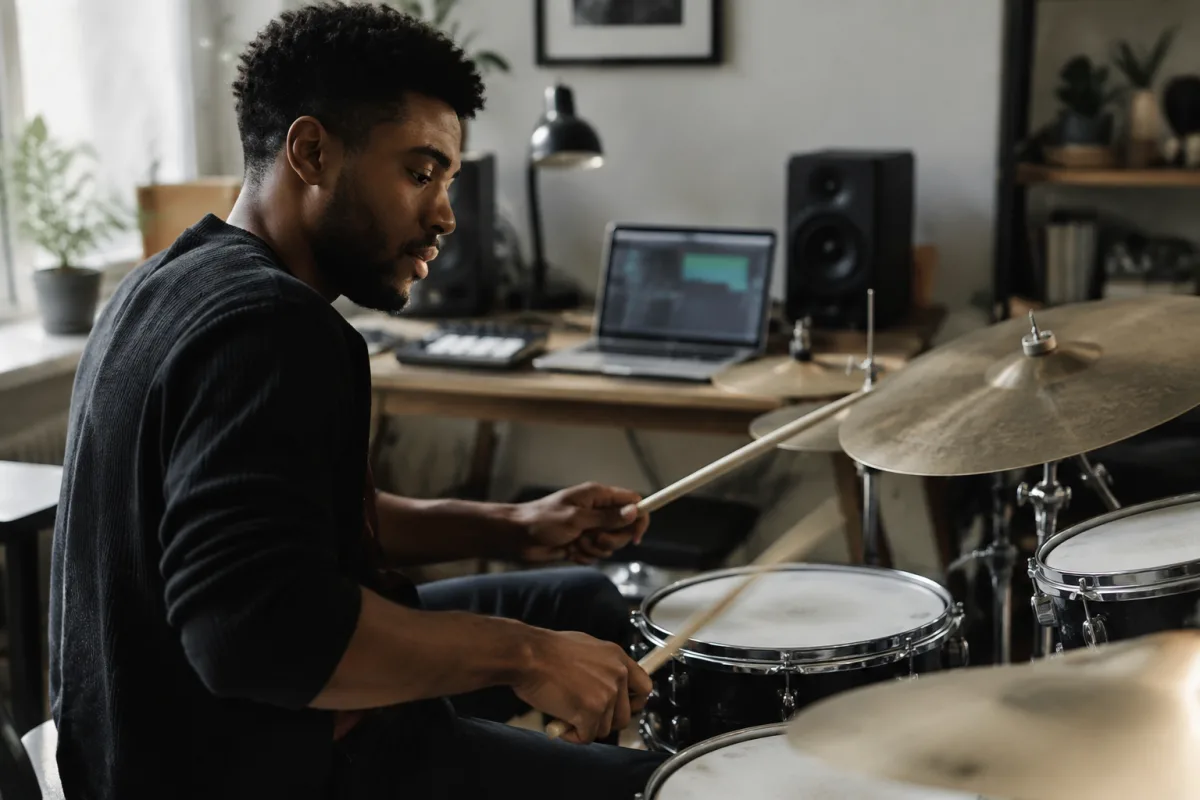
Choosing the right finger drumming pad can feel complicated when you're just starting out, yet the difference between a poor choice and a good one is immediately obvious once you start playing. You'll find pads at every price point and with wildly different features. This guide cuts through the confusion and shows you exactly what to look for when buying so you end up with an instrument that inspires you to practise, not one that sits gathering dust.
What Makes a Good Finger Drumming Pad?
A quality pad responds quickly to your fingers, feels natural to play and sounds professional. Cheap pads often have mushy pads that don't respond crisply, making drum patterns feel sloppy. Premium pads offer sensitivity, durability and sound quality that reward skilled playing.
The best pad for you is one that fits your playing style. A jazz-influenced drummer needs different responsiveness than an electronic producer. Understanding what matters in a pad helps you make the right choice.
Essential Features to Check When Buying a Finger Drumming Pad
| Feature | Impact | What Matters |
|---|---|---|
| Pad sensitivity | How the pad responds to light taps versus hard hits | Look for velocity sensitivity — able to respond to subtle dynamics |
| Pad material | Affects feel and longevity — rubber drums out quickly with heavy playing | Silicone or fabric pads last longer; rubber feels more natural initially |
| Bounce and rebound | How quickly the pad resets after a strike | Faster rebound = more responsive for fast rolls and patterns |
| Number of pads | Determines pattern complexity and layering options | 16 pads is standard; beginners can start here, though 8 is simpler |
| Built-in sounds | Whether you need external software or the pad is standalone | Stand-alone pads are convenient; software-based options are more flexible |
| Connectivity | How the pad connects to your setup (USB, MIDI, standalone) | USB/MIDI integration matters if you're producing; standalone works for performance |
| Durability | How long it survives aggressive playing and touring | Metal build, reinforced jacks — essential for gigging musicians |
Pad Formats and What They Mean
Beat-making pads (compact, 4–8 pads). Designed for hip-hop and electronic producers. Typically integrated into DJ controllers or used standalone. Great for laying down drum loops; less ideal for expressive, live drumming patterns.
Finger drumming pads (8–16 pads, arranged in a grid). The classic design for rhythm-focused playing. 16 pads is the standard — it allows sophisticated pattern-work. This format rewards finger technique and speed.
Hybrid controllers (16+ pads plus additional controls). Add faders, jog wheels and buttons to the pad grid. Versatile for production and live performance, but more expensive and complex to learn.
Acoustic drum samples vs. synthetic sounds. Some pads offer realistic drum samples; others use electronic sounds. Choose based on your music style — jazz-influenced drummers often prefer acoustic samples, while electronic producers favour synth-based sounds.
Price Ranges for Finger Drumming Pads
Budget pads (£30–80). Entry-level instruments for learning or casual play. Pad sensitivity and response are acceptable but not exceptional. Durable enough for bedroom practice; not ideal for touring or intensive playing.
Mid-range pads (£80–250). Professional-quality instruments with excellent pad response, good build quality and sound libraries. This tier suits serious hobbyists and touring musicians who play several times per week. The investment rewards skilled playing.
Premium pads (£250+). High-end instruments with premium materials, world-class pad response and comprehensive sound design. Used by professional beatmakers and performers on major stages. Only justified if you're playing professionally or demanding exceptional sound quality.
Common Mistakes When Buying a Finger Drumming Pad
- Prioritising appearance over playability. A flashy pad with poor response feels terrible after five minutes. Test or read user reviews focused on responsiveness, not aesthetics.
- Ignoring pad material in your decision. Rubber pads feel natural but wear out with heavy use. Silicone and fabric last longer. Consider your playing intensity and whether you'll gig regularly.
- Buying a pad with too many features for your skill level. A 16-pad controller with faders, buttons and modulation wheels overwhelms beginners. Start simple with an 8-pad instrument or a basic 16-pad, then upgrade to hybrid designs later.
- Assuming all pads work with all DAWs. Check MIDI and USB compatibility with your specific software. Some pads are Android-only or require specific drivers. Verify before buying.
- Forgetting about connectivity options. If you gig, make sure your pad has durable MIDI and USB connections. If you play standalone, verify it has a headphone output and built-in sounds.
- Not testing the pad before committing. Visit a shop and play several pads if possible. The feel and response vary dramatically. If buying online, prioritise sellers with good return policies.
Understanding Pad Response and Sensitivity
Velocity sensitivity means the pad can detect whether you tap lightly or hit hard, and respond accordingly. This is essential for expressive playing — quiet taps sound softer; hard hits sound louder. Without it, every strike sounds identical, which feels lifeless.
Responsiveness (how quickly the pad resets) matters for rapid-fire patterns. A slow pad forces you to wait between hits; a responsive pad lets you play fast rolls and complex rhythms without latency.
Building Your First Finger Drumming Kit
Most beginners start with a mid-range 16-pad instrument, either standalone or USB-connected to their laptop. You'll learn the fundamental techniques: finger positioning, hand independence, speed work and pattern design. Once you're comfortable, you'll know whether to explore expanded kits, hybrid controllers or specialised instruments.
For comprehensive information on advanced finger drumming techniques, specific pad recommendations and performance workflows, check the complete guide to finger drumming pads. That covers performance tips, pad specifications and professional use cases. But your first priority is finding a pad whose response feels natural to your hands and whose sounds inspire you.


Comments