


Behringer Drum Machine Buying guide
Behringer Drum Machine: A Complete Buyer's Guide
Behringer drum machines offer genuine creative tools at budget-friendly prices. This buying guide walks you through key specifications, quality assessment, common pitfalls, and realistic pricing.
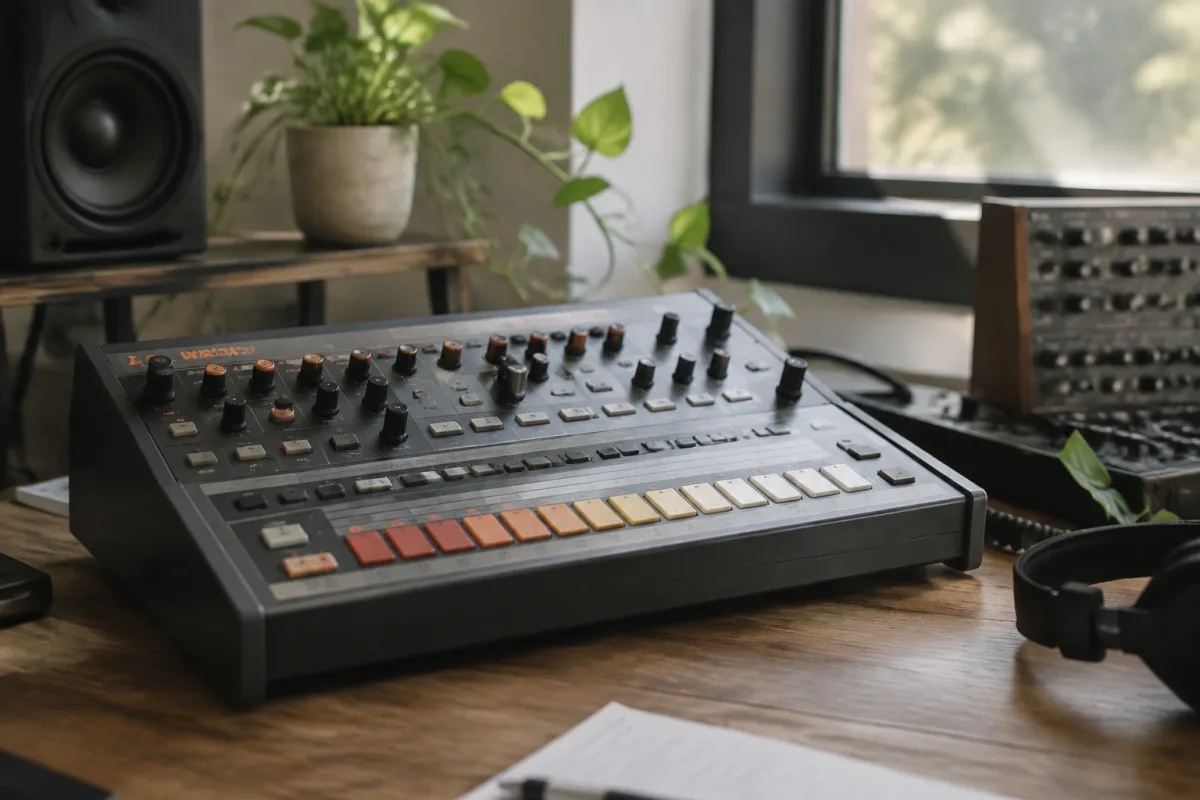
Behringer drum machines offer genuine creative tools at budget-friendly prices, making electronic rhythm production accessible to bedroom producers and professional studios alike. Whether you're building your first beat-making setup or supplementing existing gear, understanding Behringer's drum machine range helps you make confident purchasing decisions. This buying guide walks you through key specifications, quality assessment, common pitfalls, and realistic pricing so you invest wisely.
What Behringer Drum Machines Offer
Behringer produces several drum machine models, each targeting different production styles. Their most popular options include analog-style rhythm machines and digital drum computers. Most Behringer drum machines feature pre-programmed drum kits, pattern sequencing, and MIDI connectivity. They're not attempting to out-engineer expensive competitors like Roland or Elektron; instead, they deliver reliable functionality at a fraction of premium pricing.
The core appeal of Behringer drum machines is accessibility. Entry-level models cost £50–150, placing them within reach of beginners experimenting with electronic production. Professional-grade competitors start at £300–500. This price gap matters psychologically—you can purchase a Behringer machine, learn the fundamentals, and decide whether drum machine-based production suits your workflow without catastrophic financial commitment.
Understanding Behringer's Core Specifications
Most Behringer drum machines include these fundamental specifications: sound bank size (number of different drum samples available), pattern memory (how many sequences you can save), MIDI compatibility (connection to other equipment), and output options (how you integrate the machine into your setup).
Sound quality varies across the range. Budget models use heavily compressed, lo-fi samples that work brilliantly for certain genres (lo-fi hip hop, retro electronic music, industrial) but sound thin and cheap in others (funk, house, professional pop production). More expensive Behringer models include higher-fidelity samples and better synthesis options. Understand your genre before assuming all Behringer models sound identical.
Sequencer depth determines creative flexibility. Simple 4-step sequencers limit rhythmic possibilities; they're fine for learning but restrictive for professional work. Mid-range models offer 16-step sequencers providing genuine creative control. Top-tier Behringer machines include step editing, swing timing, and drum roll functions matching or exceeding competitors at twice the price.
Key Specs Comparison Table
| Model | Price Range | Sound Bank | Sequencer Steps | Key Features |
|---|---|---|---|---|
| Budget Entry Model | £50–100 | 100–300 sounds | 4–8 steps | Fixed patterns, basic MIDI |
| Mid-Range Model | £120–250 | 300–600 sounds | 16 steps | Pattern editing, swing, multiple outputs |
| Professional Model | £300–450 | 600+ sounds | 32 steps plus | Step sequencing, song mode, synthesis controls, USB |
Your purchasing decision depends entirely on production goals. Beginners: start with budget models for learning. Semi-professional: mid-range machines offer genuine creative control at accessible pricing. Professional studios: Behringer professional models deliver surprisingly capable tools, though premium brands remain the industry standard.
Sound Quality and Sonic Character
Behringer drum machines don't match premium brands like Elektron or Korg for sonic refinement. Samples often sound obviously digital and slightly thin compared to top-tier equipment. However, this characteristic suits certain production styles perfectly. Lo-fi hip hop producers, industrial musicians, and retro-electronic artists intentionally exploit that thin, characteristic sound. For other genres, the sound limitations become apparent.
Most Behringer models include drum synthesis controls—filter knobs, decay time adjustment, bit reduction effects. These tools let you shape basic drum sounds significantly, compensating partially for limited sample quality. The synthesis capabilities often exceed expectations at the price point, offering professional sound designers genuine creative flexibility.
Build Quality and Reliability
Behringer gear earned a reputation for budget construction, but modern models show genuine improvement. Drum machines feature solid plastic housings that survive normal studio use without issue. Buttons and potentiometers feel less premium than Roland equivalents, but rarely fail with normal care. Don't expect professional touring durability; expect reliable home studio equipment.
Common failure points: USB ports occasionally show connectivity issues on older models; potentiometers sometimes develop crackling noises after heavy use; some units arrive with firmware bugs. These aren't deal-breakers—customer support usually resolves issues quickly—but understand that budget equipment occasionally requires troubleshooting patience.
Connectivity and Integration Options
Modern Behringer drum machines include MIDI connectivity, allowing integration with computers, synthesizers, and other MIDI-equipped gear. This flexibility is crucial if you're building a larger production setup. USB connection to computers enables firmware updates and in-depth pattern editing via software. Audio outputs vary: budget models use 3.5mm headphone jacks; professional models offer XLR and 1/4-inch balanced outputs.
Before purchasing, verify connectivity matches your existing equipment. If you're using professional audio interfaces with XLR inputs, a budget machine with only 3.5mm output requires adapter cables (adding £10–20 and potential noise). If you're integrating with MIDI gear, confirm the MIDI implementation depth—not all Behringer models support full MIDI control.
Price Tiers and True Cost of Ownership
| Price Range | Typical Models | Characteristics | Best For |
|---|---|---|---|
| Budget (£50–100) | Entry drum computers | Limited sequencing, fixed patterns, lo-fi sound | Absolute beginners, experimentation, lo-fi producers |
| Mid-range (£120–250) | Sequenced drum machines | 16-step editing, decent sound bank, MIDI integration | Semi-professional producers, hobbyists, bedroom studios |
| Professional (£300–450) | Advanced drum computers | Synthesis controls, multiple outputs, deep sequencing | Professional studios, touring musicians, advanced producers |
True cost includes optional cables and power supplies. Budget models usually include generic wall adapters; professional models demand higher-quality power supplies to minimise noise (£20–50). MIDI and audio cables add another £20–40. Factor these costs into your budget. A "cheap" £80 machine becomes £120+ with proper connectivity and power.
Comparing Behringer to Competitors
Behringer drum machines position themselves as budget alternatives to Roland, Elektron, and Korg offerings. Roland's TR-808 and TR-909 are legendary but cost £1000+ second-hand. Behringer's RD-9 (unofficial 909 clone) offers similar workflow at a fraction of the cost, though with lower sound fidelity. Elektron machines deliver superior build quality, deeper synthesis, and professional sound at premium prices.
The realistic comparison: Behringer drum machines punch well above their price point. Compared to equipment at similar prices, they offer exceptional value. Compared to premium brands, they deliver 60–70% of the capabilities at 30–40% of the cost. For most users, the value proposition is compelling. For professional studios demanding uncompromised quality, premium brands remain justified.
Common Buying Mistakes to Avoid
Purchasing purely on price without considering genre fit is frequent. A lo-fi producer is delighted with cheap Behringer samples; a funk producer is frustrated. Understand your production style before buying. Assuming budget Behringer models lack MIDI connectivity is another mistake—most modern models include full MIDI, but verify specifications.
Buying without checking output connectivity is a serious pitfall. Committing to a model with only 3.5mm outputs when your studio uses professional XLR interfaces creates integration headaches. Verify connection compatibility before purchase. Finally, underestimating firmware learning curves: Behringer drum machines require study to unlock capabilities. Budget time for manual reading and YouTube tutorials.
Warranty and Support Considerations
Behringer typically offers 2-year manufacturing defect warranties. Customer support quality is generally reliable but can be slow. Purchase from authorized retailers for straightforward warranty claims. Some producers report faster resolution when purchasing directly from Behringer's website. Check return policies before committing—some retailers accept returns within 14 days; others impose restocking fees.
Integrating Behringer Drum Machines Into Your Setup
Most producers use Behringer drum machines as rhythm foundations layered with software drums or additional synthesizers. Few professional productions rely entirely on a single Behringer machine. Budget for integration with other equipment. Quality audio cables (£15–25), MIDI controllers (£40–100), and audio interfaces (£100–200) comprise realistic supporting equipment costs.
For detailed exploration of specific Behringer drum machine models, advanced sequencing techniques, and creative sound design possibilities, check our complete guide to Behringer drum machines. That resource covers every model, feature, and production application these affordable tools unlock.
Making Your Final Decision
Start with your production budget. If you're experimenting, invest £80–120 in a mid-range model offering genuine sequencing capability. If you're semi-professional, £200–300 gets you feature-rich equipment supporting complex productions. If you're building a professional studio, budget £350+ for advanced models or consider premium brands for their superior sound fidelity and build quality.
Test equipment before purchasing if possible. Many music shops stock Behringer machines—play with sequencing, listen to sound quality, test connectivity with your existing gear. Audio equipment is personal; what works brilliantly for one producer might frustrate another. Hands-on experience prevents expensive purchasing mistakes.
Final Thoughts
Behringer drum machines deliver remarkable value for budget-conscious producers. They're not premium equipment, but they're capable, reliable, and suitable for professional production when used within realistic scope. Make informed purchasing decisions by understanding your production goals, verifying connectivity compatibility, and budgeting for supporting equipment. With realistic expectations, a Behringer drum machine becomes a creative tool accelerating your beat-making journey.



Comments