


DJ Flight Case article
Dj Flight Case for Beginners: A Complete Guide
Protect your DJ equipment confidently with your first flight case. Discover the essentials for beginners, avoid common mistakes, and build confidence whilst starting your DJ journey.
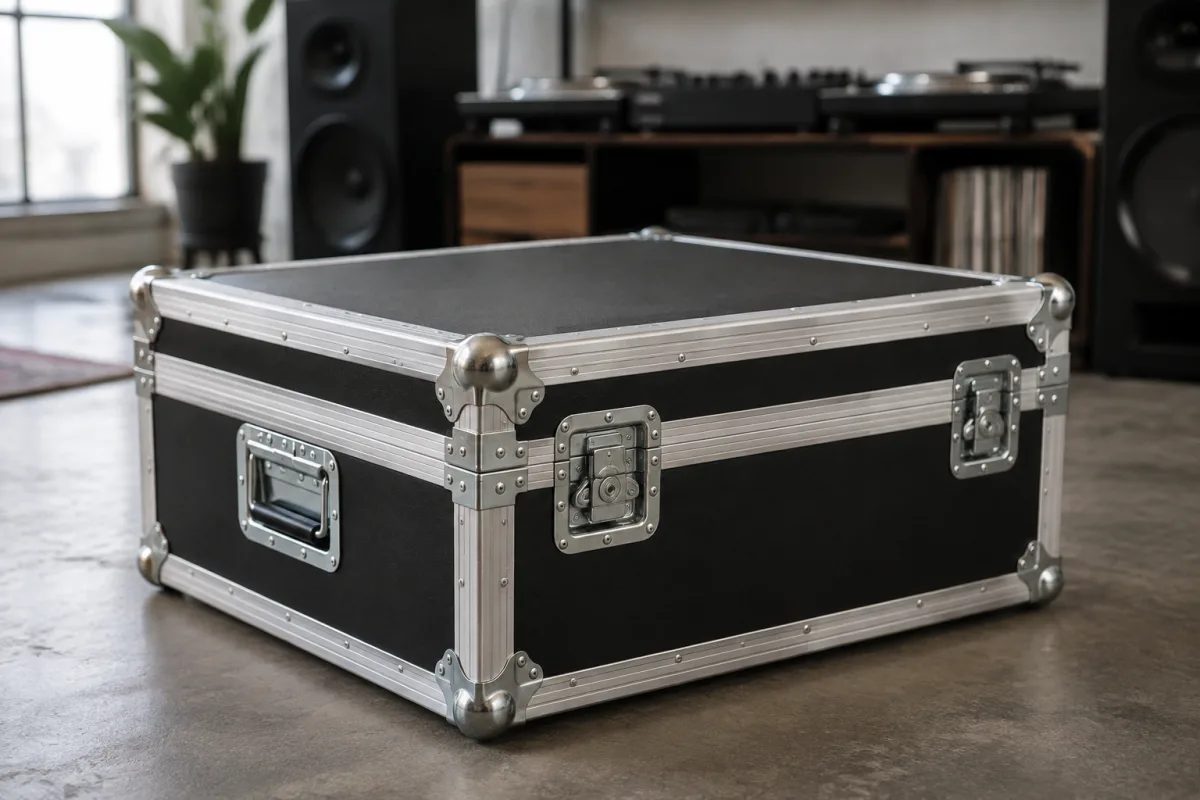
Starting your DJ journey can feel overwhelming, and protecting your valuable equipment shouldn't add to that anxiety. A DJ flight case represents one of the most practical, confidence-building purchases you'll make as you begin performing at venues beyond your bedroom. This guide simplifies the process of selecting your first DJ flight case, offering encouragement for nervous first-timers and helping you avoid common beginner mistakes. You don't need expensive professional equipment initially – you just need the right foundation that protects your gear whilst building your skills and confidence.
Understanding Your First DJ Flight Case Needs
As a beginner DJ, your requirements differ substantially from professional touring DJs managing complex setups. You're likely starting with a basic DJ controller and headphones – modest equipment that still deserves protection. The good news is that excellent entry-level DJ flight cases protect this equipment effectively without requiring significant investment. Think of your first DJ flight case as an investment in taking your hobby seriously, whether you eventually perform live or continue producing at home.
Understanding your anticipated journey helps choose appropriately. Will you be transporting equipment between your home and local venues? Occasionally flying to gigs? Setting up at friend's houses regularly? Your answers guide which DJ flight case style serves your needs best. Starting modest allows upgrading later if your DJ career evolves.
The Easiest Path: Standard Entry-Level DJ Flight Cases
Begin by identifying what equipment you're protecting – your DJ controller model specifically. Search online for "[Your Controller Model] flight case" to discover options designed explicitly for your gear. Manufacturers often create flight cases matching their hardware dimensions perfectly. These purpose-built options eliminate guesswork and ensure proper protection.
Entry-level DJ flight cases typically feature durable plastic construction with foam interior padding. They're lightweight enough to carry comfortably yet rigid enough to protect contents effectively. Most include a carrying handle and simple latch closures. This straightforward design means you won't struggle with complicated features – everything is intuitive and practical.
Many beginner DJs initially worry they're purchasing something too basic. In reality, entry-level DJ flight cases from reputable manufacturers deliver excellent protection. Professional equipment durability isn't necessary unless you're regularly flying to international gigs. Starting simple prevents overspending on features you don't need.
Common Beginner Mistakes to Avoid
The most frequent beginner error involves purchasing oversized DJ flight cases. Whilst it seems logical to buy bigger cases allowing future equipment additions, oversized cases let your controller shift dangerously during transport. Impact-related damage often results from equipment movement rather than external force. Choose cases matching your current equipment dimensions closely.
Another common mistake involves neglecting padding quality. Thin padding offers minimal protection, defeating the purpose of purchasing a DJ flight case. Verify your prospective case includes at least half an inch of foam padding protecting all sides. Running your hand over sample cases reveals padding thickness immediately.
Beginning DJs sometimes prioritise appearance over functionality, selecting cases based on colour or design rather than protection. Whilst aesthetic preferences matter, prioritise genuine protection first. Attractive-looking cases with minimal padding protect nothing.
Many beginners underestimate humidity and moisture threats. Electronic equipment inside sealed cases can develop condensation in damp environments. Investing in a small silica gel pack for your DJ flight case prevents moisture accumulation – an inexpensive step preventing expensive damage.
Essential Features for Your First DJ Flight Case
Adequate padding deserves top priority. Feel the foam thickness through sample cases before purchasing. Quality padding compresses slightly under hand pressure, then rebounds – indicating proper density. Thin padding that doesn't recover suggests inferior protection.
Latches should be sturdy but easy to operate. Avoid cases with complicated locking mechanisms – you'll open and close your case dozens of times weekly. Simple turn-latches or push-button mechanisms work perfectly without adding complexity. Verify latches close securely yet don't require excessive force.
A protective handle makes transport comfortable. Narrow, hard handles create hand fatigue during longer carries. Padded handles, even basic foam wrapping, significantly improve carrying comfort. Consider whether you'll frequently transport your case – if yes, handle ergonomics matter substantially.
Feet or corner protectors prevent case damage during frequent use. Basic rubber bumpers protect case corners from damage that inevitably occurs through normal transport. Cases lacking this protection develop visible wear quickly, degrading professional appearance.
Building Confidence Through Practical First Steps
Your first DJ flight case purchase marks an important confidence-building moment. Protect your equipment properly, then focus on developing your skills. Confidence develops through practise, not equipment perfectionism. Your entry-level case serves your needs entirely adequately whilst you're learning.
After purchasing your DJ flight case, organise your equipment systematically. Develop a packing routine ensuring everything fits comfortably without forcing. Create a mental inventory of contents – knowing exactly what's protected provides peace of mind when transporting between locations.
Transportation Considerations for Beginners
Whether driving locally or eventually flying, your DJ flight case choice influences transportation feasibility. Lightweight cases, particularly soft-sided options, fit easily into car boots. Hard cases add weight but offer superior damage protection. As a beginner, lightweight cases typically suffice for local venue work.
If you anticipate airline travel, research flight case specifications. Most airlines accept mid-sized flight cases as checked baggage. TSA regulations allow locked cases. Verify your prospective DJ flight case meets airline size/weight requirements before purchasing – an inconvenient discovery after buying.
Starting Your Journey Confidently
Selecting your first DJ flight case need not feel complicated or expensive. A quality entry-level case protects your equipment whilst you develop skills, meets your current transportation needs, and allows future upgrades as your DJ career evolves. You're making a smart, practical choice investing in protection.
For comprehensive guidance about flight cases and professional DJ equipment transport, review our complete guide to DJ flight cases, which explores the broader landscape of options for different experience levels.
Finally, recognise that purchasing your first DJ flight case represents a significant psychological step – you're taking your DJ aspirations seriously and protecting the equipment necessary for development. This decision demonstrates commitment. Enjoy this moment, select a practical case meeting your needs, and let your new flight case accompany your journey from nervous beginner to confident performer.


Comments