


Cdj Stand Buying guide
Cdj Stand: A Complete Buyer's Guide
The right CDJ stand keeps your gear stable, organised, and professional. This buying guide explains which specs matter, what price tier suits your needs, and what mistakes to avoid when investing in a stand.
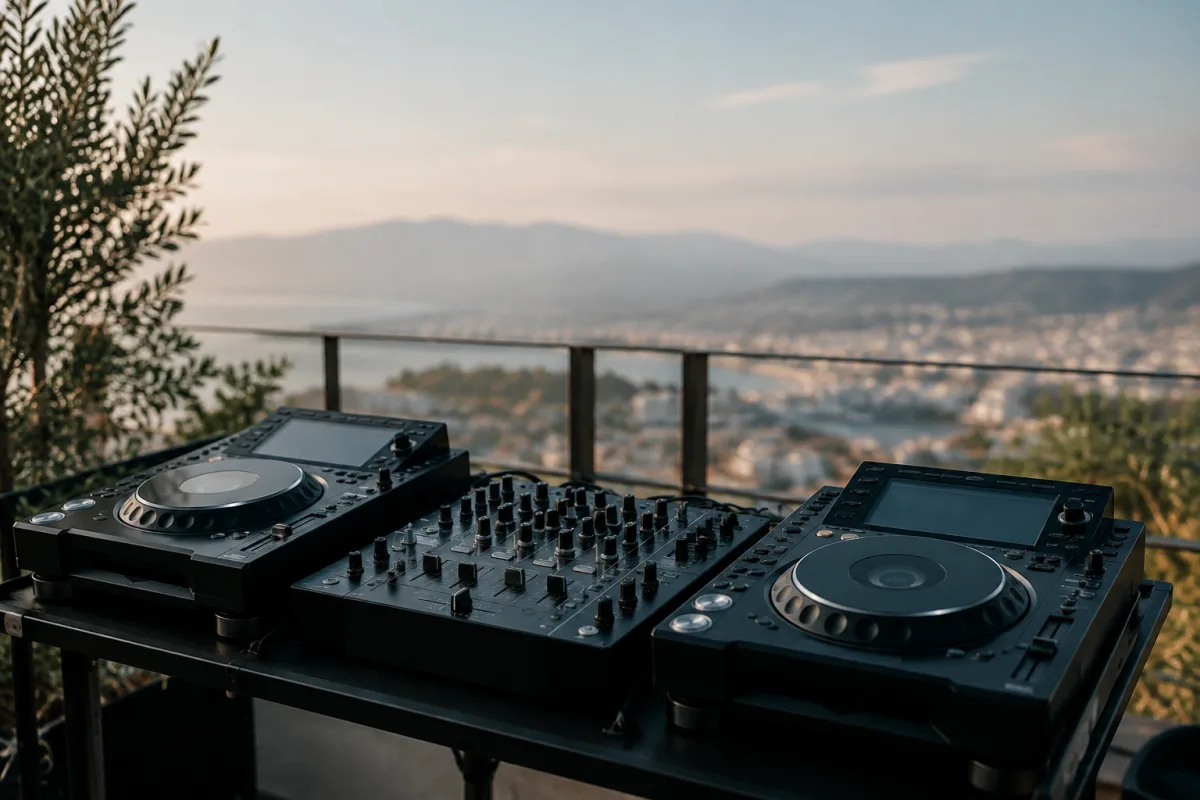
If you're serious about DJing—whether you're setting up a permanent booth or preparing for mobile gigs—a quality CDJ stand transforms your setup. But the market is confusing. Some stands are minimal platforms; others look like aerospace engineering projects. Some cost £200; others exceed £2,000. This guide cuts through the noise and tells you what actually matters when buying a CDJ stand, what price tier matches your needs, and what mistakes to avoid.
Why a Dedicated CDJ Stand Matters
You might wonder: can't I just put CDJs on any table? Technically, yes. But a proper CDJ stand is engineered specifically for the weight, heat, cable needs, and workflow of DJ equipment. A CDJ stand keeps your gear at the right height, stabilises two decks at the correct angle, manages cabling beautifully, and protects your equipment during transport.
If you're buying a CDJ stand, it's because you're treating DJing seriously—either professionally or at a level where your setup deserves respect. The right stand reflects that commitment and makes your work easier.
Core Specs That Actually Matter When Buying a CDJ Stand
Before you start comparing models, understand which specifications drive real differences:
Weight Capacity
CDJs are heavy (a pair of CDJ-3000s weighs roughly 40–50 kg). Your stand must handle that confidently with stability to spare. Look for stands rated 60+ kg minimum. Don't skimp here—a flimsy stand is a liability at gigs and embarrassing in a home booth.
Stability and Rigidity
The stand should feel rock-solid when you press down. There should be zero wobble or flexing. Poor rigidity translates to vibration transferring into your audio—not what you want. Quality stands use heavy-gauge steel or reinforced materials; budget stands use thin materials and wobble.
Height Adjustability
Some stands come at fixed heights; others adjust. If you're mobile or sharing a booth with other DJs, adjustability is invaluable. Make sure adjustment is smooth and stays locked during performance—nothing worse than a stand sinking mid-set.
Cable Management
How well does the stand integrate cables? Quality stands have built-in routing, clips, and management that keeps cables tidy and organised. Poor cable management creates tangled messes that slow setup and look unprofessional.
Portability and Build
If you're touring, weight matters. Folding stands save space. If you're stationary, portability is less critical, but durability matters more. Check if legs are reinforced and if connections are solid.
CDJ Stand Price Tiers: What You Get at Each Level
CDJ stands vary wildly in price. Here's what typical investment levels deliver:
- Budget Tier (£200–£500) – Basic stands that hold CDJs stably at a fixed height. Minimal cable management, basic materials, no adjustability. Suitable for home setups if you're not moving them. Not recommended for gigging because they're heavy to transport and lack flexibility.
- Mid-Range (£500–£1,200) – Solid stands with good stability, adjustable height, integrated cable management, and decent portability. This is where most serious DJs shop. You get reliability, flexibility, and professional appearance without premium pricing.
- Premium (£1,200–£2,500) – Professional-grade stands with premium materials, smooth adjustability, exceptional cable management, and durability for intensive touring. You're paying for consistency, longevity, and attention to detail that matters at high-end venues.
- Ultra-Premium (£2,500+) – Custom or boutique CDJ stands, often for specialised setups (three-deck configurations, integrated monitoring, built-in mixer stands). Most DJs never need this tier.
For most DJs, mid-range stands represent the sweet spot. You get real quality, professional features, and flexibility without excessive cost.
Fixed vs. Adjustable: Which Do You Actually Need?
This is a critical decision when buying a CDJ stand:
Fixed Height Stands
Less expensive, simpler, completely stable. If you know your setup is permanent and you've dialled in your ideal working height, fixed is fine. Most home DJs choose this.
Adjustable Stands
Cost more but offer flexibility. If you gig regularly, share booths, or adapt your setup, adjustability is invaluable. You can match booth heights, accommodate different body types, and optimise your workflow.
Rule of thumb: if you ever move your setup, adjust for different venues, or anticipate changing your equipment, get adjustable. The added cost is tiny compared to the flexibility you gain.
Cable Management and Integration
This separates professional stands from amateur ones:
- Integrated channels or clips – Quality stands route cables neatly along the frame, keeping your setup tidy and professional-looking.
- Dedicated cable passes – Built-in holes or guides for power, audio, and USB cables prevent tangling.
- Tie-down points – Velcro or cable ties keep everything organised during transport.
Poor cable management isn't just unsightly—it complicates setup, creates troubleshooting nightmares, and looks unprofessional in booth photos or video. Invest in a stand with thoughtful cable routing.
Mobile vs. Permanent: Where Will Your CDJ Stand Live?
This determines what features matter most:
Permanent Setup (Studio, Home Booth)
Stability and height optimisation matter most. Portability is irrelevant. Fixed-height stands are fine; adjustability is a luxury. Invest in a sturdy stand and forget about it.
Mobile Setup (Gigging, Multiple Venues)
Portability, adjustability, and robust cable management matter. Your stand travels; it needs to survive transport, fit various booth configurations, and set up quickly. Spend on mid-range or better here.
Common CDJ Stand Buying Mistakes
- Choosing based on price alone – A £200 stand might feel solid in the shop but wobble under realistic load. Spend the extra to avoid liability and poor performance.
- Ignoring your actual setup needs – Don't buy adjustable if you never move; don't buy fixed if you gig constantly. Match the stand to your real life.
- Overlooking cable management – A stand that doesn't route cables elegantly creates mess and complicates troubleshooting. This isn't superficial.
- Not checking weight capacity relative to your gear – If you run three CDJs or heavier units, verify the stand handles your actual weight, not theoretical maximum.
- Assuming all adjustable stands adjust smoothly – Some are clunky or unstable at different heights. Test before buying if possible.
Where to Buy and What to Verify
Buy CDJ stands from retailers specialising in DJ equipment. Verify weight specifications, adjustability range, and cable management features before ordering. If possible, see the stand in person or request detailed photos.
Check warranty. A quality stand should come with at least a one-year warranty. If it doesn't, question the manufacturer's confidence.
Ask other DJs. Online communities and local crews often have opinions on which stands hold up under real-world gigging. That feedback is invaluable.
Making Your Choice
When buying a CDJ stand, prioritise stability, cable management, and durability over price. A stand that wobbles or creates cable nightmares will frustrate you every time you set up. Spend the extra on something solid, something that respects your equipment, and something that will outlast trends.
Mid-range stands from reputable DJ equipment brands deliver this consistently. You're not paying for brand prestige; you're investing in infrastructure that makes your work easier and your setup look professional.
For deeper exploration of CDJ stands in context—specific models, comparative reviews, and advanced setup techniques—our complete guide to CDJ stands covers the full landscape. But if you're ready to buy, the practical guidance here gives you everything needed to make a choice you won't regret.


Comments