
Disco Lighting article
The Complete Guide to Disco Lighting
Disco lighting transforms dance venues into immersive environments where music and visual spectacle converge. Discover essential fixtures from classic mirror balls to modern LED systems, understand lighting effects and learn how to design compelling club lighting that elevates your venue.
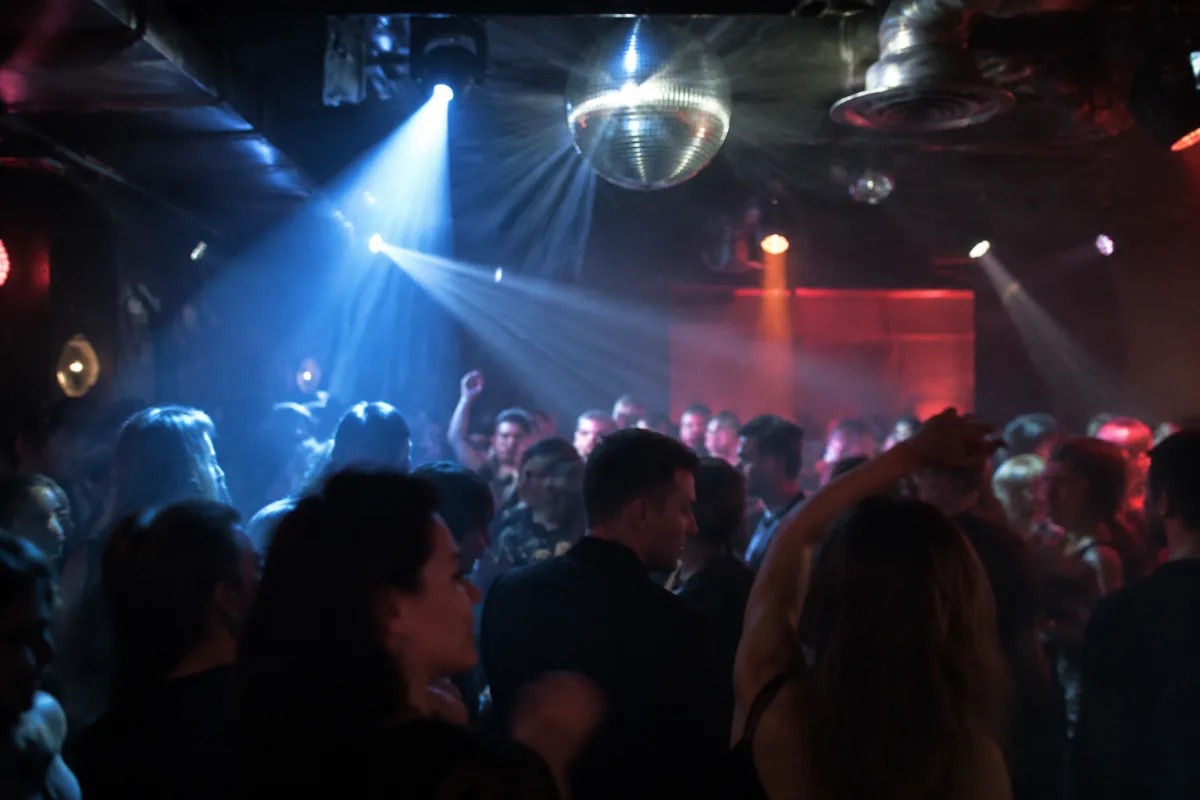
Disco lighting creates the visual spectacle that defines dance venues, transforming spaces into hypnotic environments where light and music merge. From rotating mirror balls and strobe effects to programmable LED systems, these lighting installations energise dancers and establish the immersive atmosphere that makes clubs and discos iconic. This guide explores everything you need to know about disco effects, how they work, popular fixtures and how to create compelling visual experiences for dance environments.
The History and Character of Disco Lighting
Disco lighting emerged in the 1970s as a complete sensory experience designed to heighten dance floor energy. The classic mirror ball — a rotating sphere covered with reflective tiles — became iconic, scattering light across crowds in dynamic patterns. Strobe lights, fog machines and colour washes created immersive atmospheres where dancers lost themselves in music and visual spectacle.
Modern disco effects build on these foundations whilst adding sophisticated digital control, programmable LED technology and architectural integration. Contemporary clubs use complex systems combining multiple fixture types, automated chases and music synchronisation, creating precise visual narratives that enhance the DJ's artistic expression.
Essential Disco Lighting Fixtures
The mirror ball remains iconic. These spheres covered entirely with small mirrors rotate, scattering pinpoint light across the entire dance floor. A quality mirror ball creates dynamic, organic patterns without computerisation. They're reliable, charming and instantly recognisable as disco aesthetic.
Strobe lights pulse rapidly, creating the illusion of slowed motion and energising the crowd through temporal visual discontinuity. Professional strobes run at variable speeds (2–60 Hz) and sync to music beats through manual or automatic triggering. Strobe effects are powerful but fatiguing — use judiciously and warn epileptic patrons.
LED wash lights project broad colour washes across venues. Modern LED fixtures offer complete RGB (red, green, blue) colour mixing, creating any hue imaginable. Programmable LED systems synchronise colour changes to music, creating coordinated visual atmospheres that traditional fixtures cannot match.
Moving lights (scanners and intelligent fixtures) combine directional light projection with motorised pan, tilt and colour control. These fixtures enable rapid geometric patterns, create focused accent lighting and respond dynamically to music through DMX control protocols.
Lighting Effects and Techniques
A colour wash floods the entire venue in a single colour, establishing mood and reinforcing musical energy. Warm colours (reds, oranges) energise; cool colours (blues, purples) create mystery. Rapid colour shifts between complementary hues create visual excitement and dance floor energy.
Gobos — stencilled metal templates inserted into moving lights — project patterns across the dance floor: geometric shapes, logos or abstract designs. Rotating gobos create swirling patterns; rapid gobo changes create percussive visual rhythm. Gobo projection adds sophistication and brand identity to club environments.
Fog and haze make light rays visible, revealing the architecture of lighting design that would remain invisible in clear air. Haze (atmosphere) is denser than fog, creating more dramatic visual definition. Professional lighting designers layer multiple fixture types within haze for maximum visual impact.
DMX Control and Programming
Professional lighting systems use DMX (Digital Multiplex) protocol to control fixtures with computer precision. A DMX controller sends data to multiple fixtures simultaneously, enabling synchronised colour changes, automated chases and beat-synchronised effects. Computer-based lighting control software allows pre-programming shows, assigning effects to specific tracks and creating complex automated sequences.
Simple installations use manual controllers with preset scenes. Sophisticated venues employ lighting programmers who create dynamic visual narratives responding to the DJ's music. The relationship between visual effects and sound — responding to kick drums, following melodic builds, creating visual silence during breaks — transforms light from decoration into artistic expression.
Sound-Reactive Lighting Systems
Modern disco systems incorporate audio inputs, allowing fixtures to respond directly to music frequencies. Bass frequencies trigger powerful strobe or gobo movements; mid frequencies control colour changes; high frequencies influence rapid lighting modulation. This real-time responsiveness creates organic connection between sound and vision.
Sophisticated systems analyse music through frequency detection and beat recognition, automatically triggering appropriate effects without manual intervention. These systems transform clubs into venues where music and light engage audiences comprehensively.
Planning and Installing Disco Lighting
Successful disco installations begin with venue assessment. Consider ceiling height, structural limitations, electrical capacity and audience sightlines. Calculate appropriate fixture quantity and types based on space dimensions — undersized systems fail to create immersive atmosphere; oversized installations waste resources.
Professional electrical installation ensures safety, proper power distribution and appropriate grounding. Budget for control systems, cabling and programming labour — these hidden costs often exceed fixture costs. Hire experienced lighting designers for complex installations; they prevent costly mistakes and create genuinely professional results.
Maintenance and Equipment Care
Regular maintenance extends fixture lifespan and ensures consistent operation. Clean mirrors on mirror balls to maintain reflectivity. Replace LED lamps proactively rather than waiting for failures. Manage cables properly to prevent damage. Professional lighting technicians should service moving lights annually, checking mechanics and optical alignment.
Spill-resistant casing protects electronics from water, dust and impact. Quality fixtures cost more but suffer fewer failures and deliver superior optical performance. Investing in reliable equipment reduces downtime and frustration.
Cost Considerations
Entry-level installations with mirror ball, strobe lights and basic LED washes cost £2,000–£5,000. Mid-range installations with moving lights and DMX programming range from £10,000–£30,000. Professional clubs and larger venues with sophisticated systems exceed £50,000. Rental is economical for events and temporary installations.
Conclusion
Disco lighting transforms spaces into immersive environments where music and vision create complete sensory experiences. Whether you embrace classic mirror balls and strobes or explore modern LED and moving light technology, quality lighting amplifies the emotional impact of dance events. Understanding different fixture types, effects possibilities and control systems enables you to create compelling environments that energise dancers and elevate your venue's artistic presence.


Comments