


Mpc 2000 Buying guide
Mpc 2000: A Complete Buyer's Guide
The MPC 2000 is one of the most sought-after samplers on the used market. Learn what to check, common problems to avoid, and the real pricing tiers for this classic production machine.
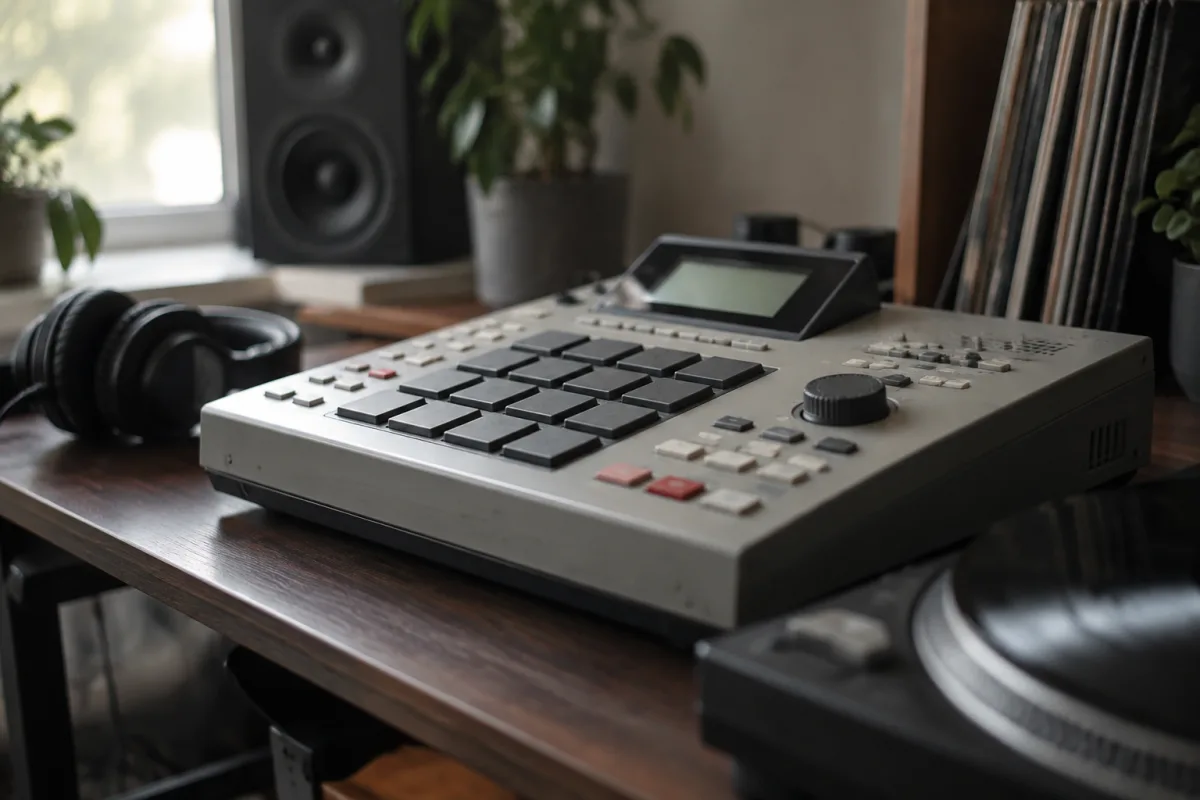
The MPC 2000 is one of the most sought-after samplers on the used market, and for good reason. Whether you're building your first production setup or hunting for a classic workhorse, understanding what to look for will save you money and heartache. This guide cuts through the noise and focuses on what actually matters when buying an MPC 2000.
Key Specifications to Check First
Before you even ask the price, verify the exact model. Akai released three closely related versions: the standard MPC 2000, the MPC 2000XL (with an enlarged screen and more buttons), and the MPC 2000LE (a later revision). Each has different quirks and repair costs, so confirming which one you're looking at is step one. The MPC 2000 holds 32 MB of RAM standard—enough for around 25–30 minutes of sampled audio at CD quality, depending on how you layer things. The XL and LE versions also shipped with 32 MB as default.
RAM expandability is crucial. The MPC 2000 accepts an additional CompactFlash card up to 4 GB (the card must be UDMA-compatible, not all modern cards work). If the machine you're buying doesn't have one installed, factor in £20–40 for a working CF card. Without it, you're severely limited on sample storage and song complexity.
The screen is another telltale. Wear shows immediately—look for dead pixels, faint backlighting, or a display that flickers. A dim screen is not always a dealbreaker (sometimes it's just the backlight capacitor, a fix that costs £80–150 from a technician), but it's a negotiation point.
Condition and Common Problem Areas
The MPC 2000 is two decades old, so age-related wear is normal. The thing to watch for is how the previous owner treated it. Sticky pads and buttons are the biggest issue. The pad sensitivity circuit, the fader, and the jog dial all suffer from accumulated dust and use. A pad that barely responds or a jog dial that sticks isn't necessarily game-over—careful cleaning sometimes helps—but a full pad replacement can run £150–250.
Check the USB port carefully. These units predate modern USB stability, and many have loose or intermittently faulty USB connections. Test it yourself if possible; a dodgy USB port means you can't reliably transfer samples or update firmware, which severely limits workflow. Replacement is possible but fiddly.
Listen for any crackling, clicking, or dropout when you power it on. The power supply can age poorly, and audio glitches often point to capacitor degradation. This is expensive to fix (£100–200 for a full recap from a pro).
The headphone output should be rock solid—no crackling, no sudden dropouts. The main audio output is less critical (you can route through an external mixer if needed), but test both. A dead output is difficult to repair on this model.
Firmware Version and Software Compatibility
Always ask which firmware version is installed. The MPC 2000 shipped with various versions, and later revisions added features and fixed bugs. You want version 2.22 or later if possible (the last official release). Older firmware means fewer MIDI improvements and fewer workarounds for quirks. Updating requires a floppy drive or USB adapter, so factor that in if you need to upgrade.
Compatibility with your DAW is worth testing. The MPC 2000 handles MIDI in and out, but the MIDI implementation can be finicky with modern software. Some production workflows rely on it as a standalone instrument, in which case firmware matters less.
Cosmetic Wear and Resale Value
Cosmetic condition should be your lowest priority if the machine works, but cracks in the casing or paint chips are red flags for how hard it's been used. A scuffed exterior is fine. Cracked plastic around the jog dial or screen bezel often correlates with impact damage, which could mean internal problems you can't see yet.
The original casing has yellowed considerably on most used units—this is purely cosmetic and affects neither sound nor function. Some people like the vintage patina; others prefer to restore it (though restoration chemicals can be hit-or-miss).
Price Tiers and Value
MPC 2000 prices vary wildly depending on condition, included accessories, and local demand. Here's the real-world breakdown:
- £150–250: Working condition, untested or with known small issues (cosmetic wear, sticky pad or two, missing CompactFlash card). Often a gamble; buy only if you can test it first or have a seller you trust.
- £250–400: Good working condition, all pads responsive, screen clear, includes a CompactFlash card. The sweet spot for most buyers. Often includes a sampler software license or original manual.
- £400–600: Excellent or like-new condition, recently serviced, includes original box and manual, CompactFlash card and USB adapter included. Rare, but worth it if you want zero surprises.
- £600+: Speciality variants (rare colours, heavily modded, or bundled with other gear). Usually not worth it unless you have a specific need.
Remember: a cheap MPC 2000 with a broken pad array or USB port can cost £150–300 to repair properly, which might push your total spend higher than buying a fully functioning unit in the first place.
What to Ask Before You Buy
Never rely on photos alone. Ask the seller these questions:
- How long have you owned it, and was it used regularly?
- Have any repairs been done? By whom? (Technician repair is far better than DIY guesswork.)
- Does it respond to all 16 pads without lag or sticking?
- How does the display brightness and colour look?
- Can you confirm the exact model (standard, XL, or LE)?
- Is there a CompactFlash card installed? If not, will you include one?
- What is the firmware version?
- Have you tested it with USB? Does it hold a connection?
A seller who answers all of these promptly is usually honest. If they dodge questions or say "I haven't tested it in years," walk away.
Buying Private vs. from a Shop
Private sales are cheaper but riskier. A reputable dealer will have tested the machine, offer a return window (usually 7–14 days), and stand behind their description. You'll pay more—expect an extra £50–150—but you're buying peace of mind. Specialist synth/sampler dealers like those on Reverb or local music shops often have stock.
If buying online, use Reverb or eBay with tracked shipping and buyer protection. Test the machine immediately upon arrival; most sellers honour returns within 48 hours if something is seriously wrong.
The Bottom Line
The MPC 2000 is a reliable classic that remains capable in modern production. Focus your budget on a unit with responsive pads, a clear display, and solid USB connectivity—the three things that are hardest and most expensive to fix. A working CompactFlash card and recent firmware are bonuses. If the unit is a few years away from a pad replacement, budget for it. Don't be swayed by rarity or colour alone; a fully functional standard model in grey cosmetics beats a pristine but problematic variant every time. For more insight into how the MPC 2000 works and its place in production history, check out our complete guide to the MPC 2000.
Common Misconceptions About MPC 2000 Value
Myth: "Vintage equals better." Not necessarily. An older machine with original rubber pads will eventually need replacement, which costs the same as a later unit. Newer units (2005 or later) use the same internals but sometimes have better component quality.
Myth: "If it powers on, it's fine." Many problems only show up under load or after extended play sessions. A unit that passes a quick five-minute test might fail the next day. Always ask if you can test it for at least 30 minutes.
Myth: "The XL is always better than the standard." The XL has a bigger screen and more buttons, but it's also more complex and has more points of failure. For sampling and production work, the standard MPC 2000 does everything the XL does. Buy based on condition and price, not model prestige.


Comments