


Rane article
Rane for Beginners: A Complete Guide
Rane equipment might seem intimidating for beginners, but it's actually perfect for learning. This guide explains why and how to get started.
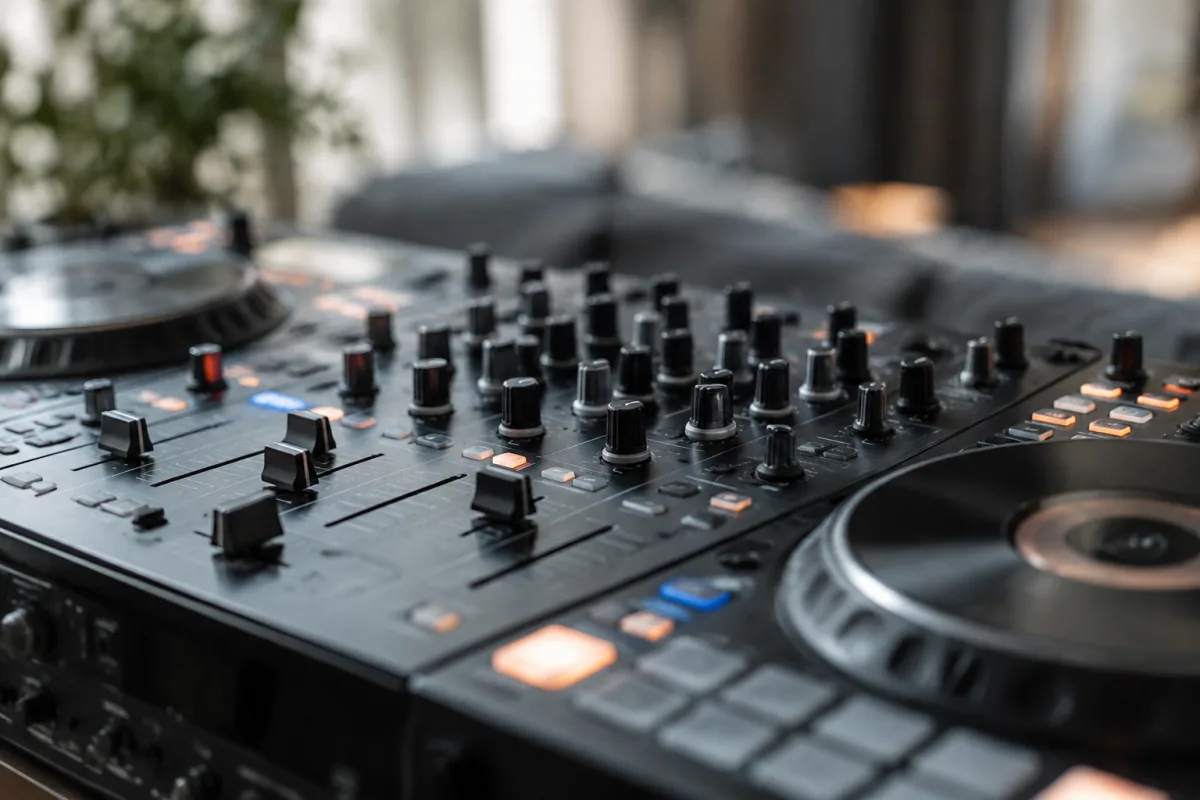
Stepping into the world of Rane equipment can feel intimidating if you're new to DJ-ing or electronic production. Rane, a brand synonymous with professional-grade DJ and audio equipment, might seem like an advanced choice for beginners. However, many Rane products actually serve first-timers exceptionally well, offering genuine quality without unnecessary complexity. This beginner's guide addresses common anxieties about Rane equipment: what makes Rane appealing to newcomers, which products actually suit beginner budgets, how to avoid typical first-timer mistakes, and how to approach Rane equipment with confidence. By the end, you'll understand why many beginners choose Rane and what to expect from your first experience with this respected brand.
Why Beginners Gravitate Toward Rane Equipment
Rane's reputation for professional quality creates an assumption that their equipment suits only experienced DJs. This misconception deserves correcting. Rane manufactures equipment designed for genuine professionals, which means the build quality, sound integrity, and long-term reliability exceed budget alternatives significantly. For beginners, this translates to equipment that won't frustrate you with quality issues whilst you're still developing skills. Rane equipment actually accelerates learning because you're hearing your mixing and production decisions clearly, not fighting equipment limitations.
Beyond quality, Rane prioritises straightforward usability. Professional DJs don't have time for overcomplicated interfaces. This design philosophy—making powerful features accessible without unnecessary layers—benefits beginners equally. Rane equipment typically feels intuitive once you've had time to explore it.
Entry-Level Rane Products for Beginners
Rane's product range spans budget-friendly to premium categories. Several Rane options genuinely suit beginner budgets and technical levels:
Rane Seventy-Two Mixer
The Rane Seventy-Two represents an excellent entry point into professional-quality Rane equipment. This mixer balances accessibility and professional features thoughtfully. It's not oversimplified—it's designed so beginners can ignore advanced features initially whilst gradually discovering capabilities as they develop. The layout is logical, controls are responsive, and the audio quality justifies the investment.
Rane Twelve Controller
For laptop-based DJing, the Rane Twelve offers professional build quality at a more accessible price point than flagship controllers. The hands-on feel and responsive pads make mixing engaging for beginners. Many professionals use Rane Twelve alongside more expensive equipment, which speaks to its genuine quality.
Rane Sixty-Four Controller
This portable controller delivers Rane's quality in a compact format. It suits beginners wanting professional-grade equipment without the footprint of full-size mixers. The compact design doesn't compromise functionality—Rane simply optimises layout for space.
What to Expect When Starting with Rane
Your first experience with Rane equipment differs from budget alternatives in several important ways:
Build Quality
Rane equipment feels premium. Faders move smoothly, knobs rotate precisely, and cables connect securely. This quality isn't mere aesthetics—it translates to reliability. Your Rane equipment won't have connection issues, scratchy knobs, or sticking faders that plague budget gear after a few months. This consistency supports better learning because equipment performs predictably.
Audio Clarity
Rane prioritises clean audio paths. When you mix on Rane equipment, you hear your mixing decisions accurately. Transitions between tracks sound natural, frequencies blend smoothly, and levels adjust without introducing noise or distortion. This audio fidelity means your mixes translate better to other systems—a crucial benefit when developing technique.
Learning Curve
Despite professional credentials, Rane equipment is generally approachable for beginners. The learning curve is gradual. You can accomplish basic mixing within your first session, then discover advanced techniques over weeks and months. This progression feels natural rather than overwhelming.
Common First-Timer Mistakes with Rane Equipment
Learning from others' early experiences prevents frustrating Rane equipment mistakes:
Mistake 1: Assuming Complexity Because of Professional Reputation
Beginners often hesitate to purchase Rane equipment assuming it's "too professional" for their level. This assumption is unfounded. Rane equipment works beautifully for beginners—you simply ignore advanced features initially. It's like buying a professional camera and using it in auto mode whilst you learn—perfectly valid and genuinely valuable.
Mistake 2: Not Taking Time to Explore All Controls
Rane equipment includes controls designed for nuanced mixing. Beginners sometimes stick to basic features, missing capabilities that would enhance their mixing immediately. Dedicate time to exploring every control systematically. Spend a week with crossfaders, then a week with EQ, then a week with effects. Systematic exploration prevents overwhelm and accelerates learning.
Mistake 3: Neglecting Software Integration
Rane controllers integrate deeply with modern DJ software. Beginners sometimes connect their equipment and ignore these integration features, missing out on powerful workflow enhancements. Spend time understanding how your Rane equipment communicates with your software—this knowledge transforms your efficiency dramatically.
Mistake 4: Skipping the Manual
Rane equipment manuals are generally well-written and comprehensive. Many beginners skip reading them, then spend hours discovering features through trial and error. Reading the manual front-to-back takes 30–60 minutes and prevents weeks of confusion. This is genuinely worth your time.
Mistake 5: Assuming Professional Features Are Unnecessary
Advanced features like metering, gain staging controls, and clip detection might feel unnecessary to beginners. They're actually crucial for development. Understanding gain staging and learning to read levels separates casual DJs from developing professionals. Rane equipment encourages these practices—embrace them from the start.
Building Your Skills with Rane Equipment
Once you've connected your Rane equipment and spent initial time exploring, focus on these developmental practices:
Master Basic Mixing First
Spend weeks focusing on smooth transitions, appropriate EQ adjustment, and level balancing. Don't jump to advanced effects immediately. Rane equipment excels at revealing whether your foundational mixing technique is solid. Use this feedback to strengthen basics.
Understand Your Equipment's Sonic Character
Each Rane mixer or controller has subtle sonic characteristics. Spend time learning how your specific equipment responds to your mixing style. This intimate knowledge accelerates development far faster than constantly switching between equipment.
Practice with Familiar Music First
When learning Rane equipment, use music you know intimately. This familiarity lets you focus on equipment operation rather than musical interpretation. Mixing unfamiliar tracks is harder and frustrates new users unnecessarily.
Long-Term Value of Rane Equipment
Choosing Rane as a beginner pays dividends beyond initial learning. Rane equipment holds value remarkably well. Unlike budget gear that depreciates rapidly, your Rane investment remains relevant for years. Many beginners eventually upgrade to different styles or additional equipment, but selling used Rane gear recoups substantial value. This financial staying power makes Rane attractive for serious beginners.
For comprehensive technical details, feature comparisons, and specific product information, explore the complete guide to rane.
Conclusion
Rane equipment is more beginner-friendly than its professional reputation suggests. The quality, build design, and intuitive layout actually support learning exceptionally well. Rather than intimidating, Rane equipment motivates you to develop serious mixing technique because every aspect feels professional and responds to your improving skills. Start with entry-level Rane products, take time exploring every control methodically, read the manual thoroughly, and focus on building strong foundational skills. Your investment in Rane equipment will serve you for years, whether you become a serious enthusiast or professional. The confidence and capability Rane equipment instils during your beginning months pays lasting dividends.



Comments