


Vinyl Wall Storage Buying guide
Vinyl Wall Storage: A Complete Buyer's Guide
Vinyl wall storage transforms collections into displays whilst protecting records. This guide covers structural requirements, environmental considerations, and how to select solutions matching your space.
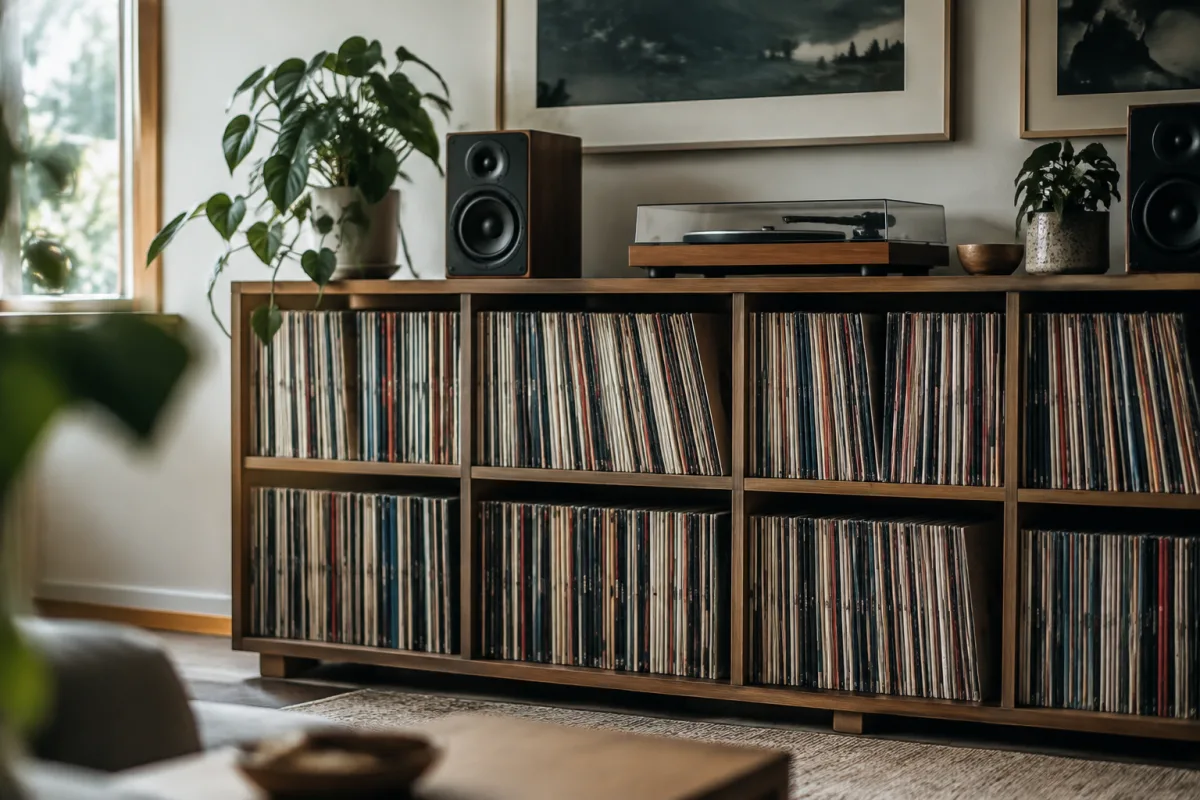
Displaying vinyl records on walls transforms music collections from invisible storage into prominent room features—functional art that declares your musical taste whilst keeping favourites accessible. Purchasing vinyl wall storage requires understanding structural integrity, aesthetic integration, and practical functionality. Understanding what separates quality solutions from gimmicks that disappoint ensures your investment protects records whilst genuinely enhancing your space. This buying guide covers what matters when choosing vinyl wall storage, common mistakes that waste money, and how to evaluate options intelligently before committing.
Understanding Wall Storage Types
Vinyl wall storage separates broadly into several categories. Floating shelves mount directly to walls, supporting vinyl records whilst creating minimalist aesthetics. Wall-mounted crates stack horizontally or vertically, offering rustic appeal and significant capacity. Vinyl display stands function as freestanding furniture, eliminating installation requirements. Understanding these categories helps you identify which approach suits your space, aesthetic preferences, and available wall area.
Floating shelves suit compact spaces and showcase collections—you're displaying 10-15 carefully curated records as visual elements. Wall crates accommodate larger collections with industrial charm. Display stands work when wall mounting isn't feasible or when flexibility for repositioning matters. Each approach offers distinct advantages; selecting wrongly results in either poor functionality or aesthetic regret.
Structural Integrity and Weight Capacity
Vinyl records are heavier than casual observers realise—a single record weighs approximately 150–200 grams, and a stack of 15 records exceeds three kilograms. This significant weight demands proper wall mounting capable of supporting concentrated loads securely. Cheap shelves or improperly installed mounting inevitably fail, damaging records and potentially injuring people below.
Premium wall storage uses heavy-duty brackets engineered for substantial weight support, with mounting hardware rated for plaster, drywall, or tile walls depending on your specific construction. Quality options clearly state load ratings (typically 20–50kg per shelf)—verify these specifications before purchasing. Avoid products vaguely describing strength without concrete weight ratings.
Installation matters as much as hardware quality. Locate wall studs when possible—studs provide infinitely superior support compared to drywall alone. Many quality mounting systems include stud-finding guidance and multiple mounting hole options. Poor installation—mounting without studs or using insufficient hardware—guarantees failure regardless of quality components used.
Protecting Record Condition During Storage
Vinyl records deteriorate through exposure to heat, sunlight, humidity extremes, and dust accumulation. Wall storage exposes records more to these hazards than enclosed storage, requiring careful consideration of your space's environmental conditions. Position wall storage away from direct sunlight preventing UV damage to vinyl and jackets. Avoid locations near heating vents, air conditioning units, or moisture sources creating temperature and humidity fluctuations.
Quality display storage includes features minimising environmental exposure. Angled shelves prevent dust accumulation on records. Enclosed or partially enclosed options (like crates with partial backing) protect from direct sunlight whilst maintaining visual appeal. Clear acrylic risers protect records from dust whilst preserving visibility. These thoughtful design details separate records-focused storage from aesthetically appealing designs that neglect preservation.
Aesthetic Integration and Room Design
Wall storage aesthetic becomes part of your room design permanently. Floating shelves suit minimalist, modern interiors. Wooden crates evoke vintage, industrial aesthetics. Metal frames pair with contemporary designs. Your collection's visual presence either enhances or clashes with existing décor—intentional aesthetic consideration prevents regrettable purchases.
Consider colour coordination and material consistency. Shelves matching existing furniture, walls, or trim integrate seamlessly. Mismatched materials and colours create visual discord. Spend time visualising how storage will look in your actual space before purchasing—online images don't always translate to your specific interior aesthetic.
Capacity and Collection Size Matching
Matching storage capacity to collection size prevents overcrowding or sparse, underwhelming displays. Ten records on a 30-record shelf look thin and unimpressive; overstuffing damages records and looks cluttered. Aim for collections filling 60–75% of storage space, allowing visual breathing room whilst avoiding overcrowding.
If your collection exceeds a single storage unit's capacity, plan multiple units. Symmetrical arrangements (matching shelves on opposite walls) look intentional and organised. Asymmetrical multiple units require careful visual planning to avoid appearing haphazard. Some people curate display collections separate from full storage collections—displaying 10-15 favourite records whilst storing hundreds elsewhere.
Price Tiers and Real-World Value
Budget vinyl wall storage (£20–£60) from discount retailers offers basic functionality but often lacks structural integrity or aesthetic refinement. These options frequently disappoint through inadequate support or cheap materials that fail shortly after installation. Avoid this tier unless you're storing very lightweight items temporarily.
Mid-range options (£60–£150) from established furniture companies offer solid construction, attractive aesthetics, and reliable performance. These systems typically last years without issues, providing genuine value. Most enthusiasts operate within this price tier.
Premium solutions (£150–£400+) from boutique makers or custom fabricators offer bespoke designs, superior materials, and flawless construction. These investments suit collectors building dedicated display spaces or anyone prioritising aesthetic perfection. Premium pricing reflects craftsmanship and material quality that lasts decades.
Common Purchasing Mistakes
Many buyers select storage primarily on aesthetic appeal without considering structural requirements or environmental conditions. The beautiful minimalist shelf that looks perfect online may lack adequate weight capacity or leave records exposed to damaging sunlight. Balance aesthetics with functional requirements before purchasing.
Another frequent error: underestimating installation complexity and costs. Wall-mounted storage requires tools, hardware, and often professional installation. Factoring installation expenses into total costs sometimes reveals that apparently cheap options end up expensive when proper installation is considered.
Beginners sometimes purchase storage sized for future collections rather than current ones. Oversized storage displaying small collections looks empty and underwhelming. Start with appropriately sized solutions; expanding later is straightforward as collections grow.
Installation Considerations
Professional installation (£50–£200 depending on complexity) ensures proper mounting and structural integrity, protecting both records and people below. Handy individuals comfortable with wall work can self-install many systems, provided they locate studs and follow detailed instructions carefully. Never compromise on installation quality—poor mounting is genuinely dangerous.
Before installation, verify your wall construction (plaster, drywall, tile, concrete) and obtain appropriate mounting hardware. Different wall types require different fasteners. Many quality systems include universal hardware working across wall types; budget options often don't. Verify compatibility before purchasing.
Decorating Around Wall Storage
Vinyl wall storage functions best as part of intentional room design. Complementary lighting (spotlights or picture lights) draws attention to displays. Coordinating artwork or wall paint enhances visual impact. Surrounding space influences how storage appears—cluttered surroundings diminish aesthetic appeal; carefully curated space elevates it.
Many collectors incorporate additional decorative elements—band posters, framed album covers, vintage turntable displays. These complementary elements tell a story about your musical interests and create cohesive visual narratives rather than random storage.
Flexibility and Future Changes
Select systems allowing easy repositioning or expansion. Modular designs accommodate collection growth; fixed installations lock you into current configurations. If your musical interests evolve or collections grow unexpectedly, flexible systems adapt without complete replacement.
Some people appreciate the option to reposition displays seasonally or update aesthetics as interior designs change. Systems featuring adjustable shelf heights or expandable modular components offer this flexibility at minimal additional cost.
Making Your Final Decision
Assess your space carefully—available wall area, natural lighting, wall construction, and existing aesthetic. Determine collection size and growth projections. Set realistic budget including installation costs. Research specific products through user reviews focusing on structural reliability and long-term performance. Visit our complete guide to vinyl wall storage for detailed product comparisons and specifications.
Quality vinyl wall storage transforms record collections from hidden assets into prominent displays that enhance rooms whilst protecting records. Purchasing thoughtfully—prioritising structural integrity, environmental protection, and aesthetic integration—ensures your investment serves your collection beautifully for decades. The right storage system becomes part of your home's character, celebrating music you love whilst preserving it for years of continued enjoyment.


Comments