
Vinyl Record Case article
The Complete Guide to Vinyl Record Case
A quality vinyl record case protects your collection from damage, dust and climate swings. Learn about types, features and how to choose the right case for your needs.
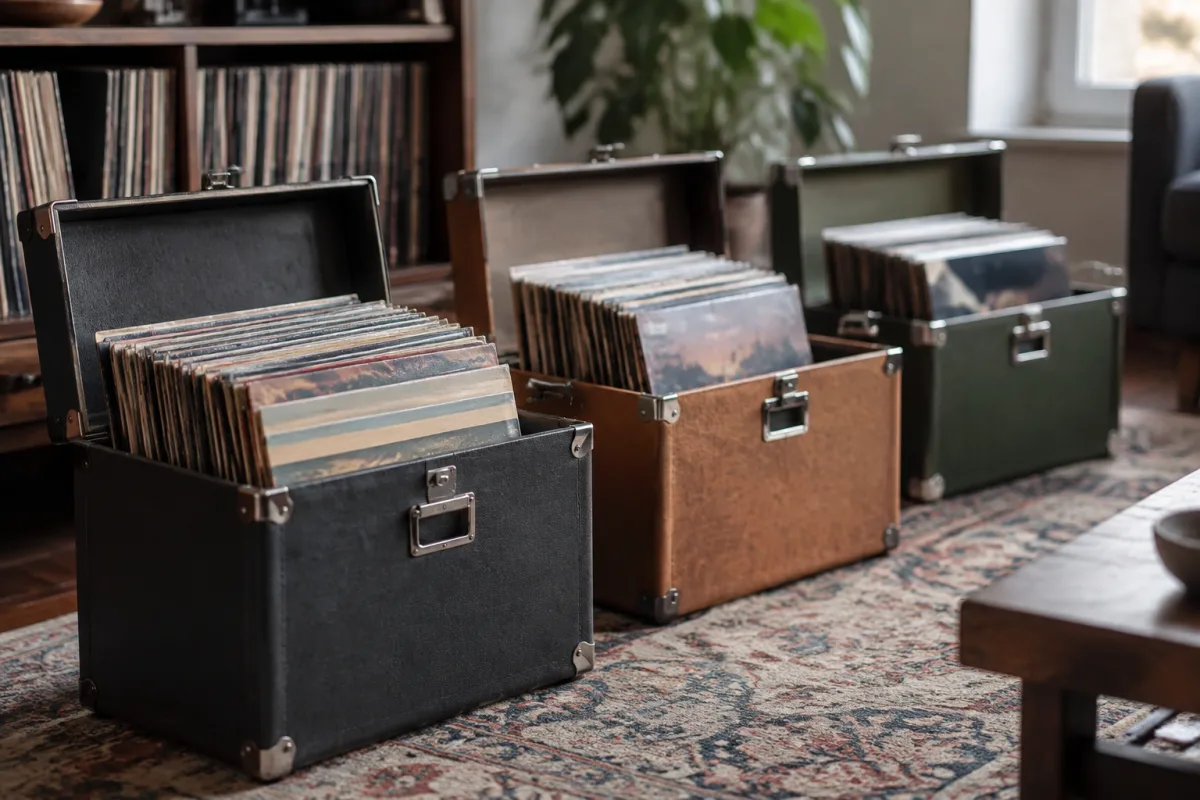
Vinyl Record Cases: Protection and Portability
Whether you are collecting classic albums, curating a DJ set or simply protecting your vinyl collection, a quality record case is essential. Vinyl records are fragile media — warping, scratching and dust all threaten sound quality. A proper record case combines physical protection, climate stability and enough capacity for serious collectors or touring DJs.
Why Record Cases Matter
Vinyl records are vulnerable to temperature swings, humidity shifts and physical damage. A shelf or storage box offers some protection, but a dedicated record case is engineered to minimise shock, temperature fluctuation and dust ingress. For DJs transporting records to gigs, or collectors moving house, the right case can mean the difference between pristine records and warped, scratched media.
Record cases range from portable carry cases holding 30–50 records to flight cases designed for professional touring with 100+ records inside. Each type serves a different need: bedroom collector, touring DJ, archive storage or live venue environment.
Types of Vinyl Record Cases
Portable Carry Cases
Designed for casual transport, these lightweight cases hold 30–60 records and weigh 2–4 kilograms. Materials are typically plastic, fabric or thin plywood. They fit in car boots, are easy to carry to a mate's house or small venue, and cost £20–100. Most feature a handle and basic interior compartments. They offer modest protection against impacts but work well for occasional movement.
Heavy-Duty Flight Cases
Flight cases are engineered for touring professionals. Built from plywood or reinforced plastic, they hold 80–150 records, feature wheels and telescoping handles, and can withstand the rigours of airline travel and roadie abuse. Interior materials include foam padding, adjustable dividers and climate-resistant linings. Expect to pay £150–400 for a quality flight case. Overkill for casual collectors, but essential for touring DJs and institutions.
Storage Crates and Stackable Boxes
Purpose-designed storage crates in plastic or wood hold 50–100 records standing upright in organised compartments. They prioritise storage over portability: stackable design, modular capacity and long-term climate stability. Prices range from £30 to £200 depending on size and material. Ideal for home collection archives and specialist shops.
Briefcase-Style Cases
Bridging portable and professional, briefcase-style record cases mimic luggage design: rigid shell, handle, locks and interior organisation. They hold 40–80 records, weigh 3–6 kilograms and suit semi-professional DJs and serious collectors. Interior dividers are usually adjustable, allowing customised storage for different record sizes. Price: £80–250.
Key Features to Consider
| Feature | Why It Matters | What to Look For |
|---|---|---|
| Capacity | Determines how many records fit; affects portability | 50–100 records for portable; 100+ for flight cases |
| Interior Padding | Cushions records during transport; prevents warping | Closed-cell foam, egg-crate foam, or fabric lining |
| Compartments/Dividers | Keeps records organised and prevents sliding | Adjustable dividers, dedicated 12" slots |
| Climate Control | Reduces humidity and temperature swings | Sealed interior, silica gel packets, foam gaskets |
| Durability of Shell | Protects from impacts, weather, airline handling | Plywood, reinforced plastic, fabric over frame |
| Portability | Affects practical use for transport and gigging | Handle, wheels, weight under 5 kg for daily carry |
Materials and Construction
Record cases are built from several material combinations. Plywood and hardboard offer strength and durability but add weight; ABS plastic is lightweight and weather-resistant; fabric covers protect against scuffs but may not withstand airline abuse. Interior materials matter more: closed-cell foam absorbs shock and resists moisture; open-cell foam is cheaper but absorbs humidity; felt and fabric are gentle on sleeves but less protective against impacts.
The best cases layer materials strategically: a rigid outer shell for impact protection, foam or felt interior padding, and climate-resistant linings or gaskets to minimise humidity and temperature swing. Seals around edges and lids prevent dust and moisture ingress.
Storage vs Transport
For long-term home storage, a sealed crate or cabinet with silica gel desiccants is superior to a transport case: larger capacity, easier access, and better climate control. Transport cases prioritise portability, and thus sacrifice some storage density and convenience. If you are a collector who rarely moves records, invest in home storage furniture. If you are a DJ or frequent mover, prioritise a flight case or reinforced carry case.
Maintenance and Care
Vinyl inside a good case is largely self-maintaining. Check interior padding annually for mould or moisture (a sign of climate ingress); replace silica gel desiccants every 6–12 months if the case includes them. Clean the exterior with a soft cloth and mild detergent; avoid harsh chemicals that degrade fabric or plastic. Zip or latch failures are the most common issue: repair or replace hinges/latches promptly to prevent spills.
Best For
- Touring DJs who need airline-ready flight cases with maximum capacity and shock protection
- Casual collectors moving records between rooms or houses, seeking lightweight portable protection
- Record shops and institutions managing large archives with organised, stackable storage
- Vinyl enthusiasts wanting climate-controlled home storage without a dedicated room
- Venue and event teams transporting turntables and records for live events
Verdict
A vinyl record case is an investment in preservation. Whether you choose a budget portable carry case or a professional flight case, the protection it offers will repay the cost in maintained record condition and reduced stress during transport. For DJs, the right case is non-negotiable; for collectors, it depends on your archive size and how often you move records. Assess your real needs — are you a casual collector, an active DJ or a long-term archivist? — then choose a case engineered for that purpose. Your records will thank you.


Comments