


Vinyl Record Bags article
Vinyl Record Bags for Beginners: A Complete Guide
Choosing vinyl record bags protects your collection during transport. This guide helps beginners understand what makes a good bag and how to avoid common storage mistakes.
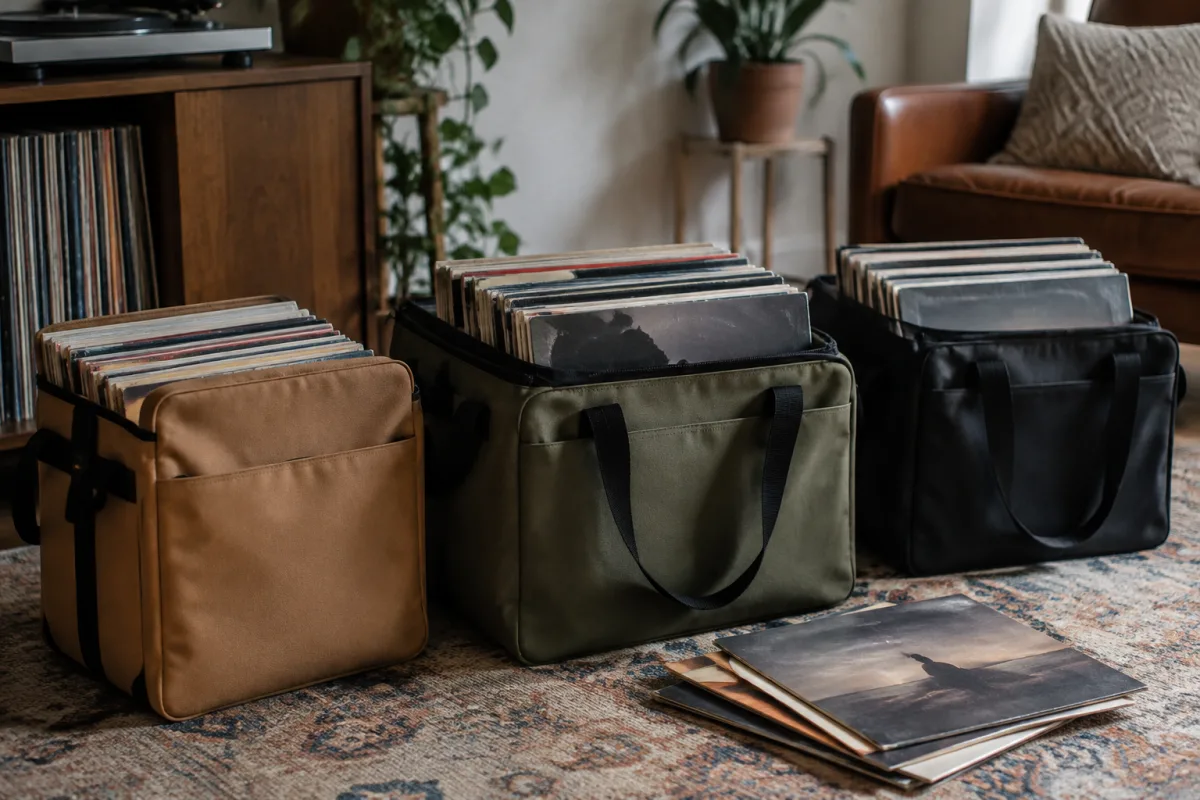
Protecting Your Vinyl: Choosing Your First Vinyl Record Bags
If you're collecting vinyl records, protecting them during transport and storage is essential. Vinyl record bags keep your collection safe, organised, and easy to carry. If you're new to vinyl, you might think any bag works—just pick one and move on. Not quite. The right vinyl record bags mean your records survive gigs, trips, and years of use without warping, scratches, or damage. This beginner's guide explains what you actually need, what to look for, and how to avoid wasting money on bags that fail to protect your collection.
Understanding Vinyl Record Bags Styles
Vinyl record bags come in three main types. A carry bag holds 50–100 records and is meant for transport—getting records from home to gig or friend's house. A storage crate holds 100+ records and sits stationary for long-term collection storage. A crate organiser is a smaller divider system that fits standard storage crates and keeps records sorted. As a beginner, a carry bag is your first purchase—something portable that protects records during regular use.
Carry bags come in different sizes. A small vinyl record bag holds 30–50 records. A medium holds 50–80. A large holds 100+. Start with medium—it's portable enough to carry comfortably but big enough to hold a real collection. Too small means multiple trips; too large is awkward and heavy.
What to Check When Choosing Vinyl Record Bags
Rigidity is crucial. Vinyl record bags need structure so records stand straight inside. Soft bags collapse under the weight of records, causing them to lean, warp, and bend. A decent vinyl record bag has cardboard or plastic inserts that keep records upright and prevent leaning. Press the bag from the outside—you should feel the structure resist, not collapse.
Handles matter more than you think. You'll carry vinyl record bags regularly. Handles should be padded and positioned so the weight doesn't cut into your hands. Thin handles on cheap bags become painful after minutes of carrying. Reinforced handles at multiple points distribute weight better than single-handle designs.
Compartments and organisation help enormously. Good vinyl record bags have dividers or sections that keep records separated. This prevents them sliding and crushing each other during transport. Some bags include pockets for sleeves, covers, or accessories. Others have nothing—just a hollow interior where records bounce around.
Exterior material needs durability. Vinyl record bags take bumps and scrapes. Canvas or reinforced nylon lasts years; cheap plastic or thin material rips and fails quickly. Feel the fabric—it should be sturdy. Cheap bags feel thin and flimsy in your hands.
Protecting Records Inside the Bag
Simply putting records in vinyl record bags isn't enough. Stand them upright if possible—never stack them flat. Records stored flat can warp from their own weight. Upright storage lets gravity work with you, not against you. Most bags support upright storage; check the design.
Fill empty space. Records need support so they don't shift during transport. If your vinyl record bags have extra room, use padding or dividers to stop records sliding. An underfull bag means records bounce and collide during movement, risking scratches and damage.
Avoid excess moisture and heat. Vinyl record bags are fine for transport, but don't leave records in a hot car or damp garage for weeks. Vinyl warps in heat. Moisture damages sleeves and labels. Use bags for moving records around; store them long-term in proper conditions (cool, dry, upright).
Price and Value for Beginners
Budget vinyl record bags (£15–£30) often lack internal structure or have minimal padding. They're lightweight but don't protect well. Cheap bags collapse under record weight, handles fail quickly, and material tears. These are false economy—you'll replace them within a year.
Mid-range vinyl record bags (£30–£70) offer genuine protection: sturdy structure, padded handles, useful compartments, quality materials. These last years with normal use and protect records properly. For a beginner with a growing collection, this tier is smart money. You're not spending fortune, but you're getting real protection.
Premium vinyl record bags (£70–£150) offer features like weatherproof material, multiple shoulder straps, custom compartments, or wheels for very large capacity. These are nice but overkill for most beginners.
Common Beginner Mistakes
Don't buy a generic music bag and assume it's suitable for vinyl. A generic canvas bag might work temporarily, but vinyl record bags are designed specifically for the weight and fragility of records. Purpose-built bags offer better support and protection.
Don't stack records flat in the bag to "fit more." Flat storage causes warping. Standing them upright takes slightly more space but keeps records flat and unwarped. This matters more than you think.
Don't ignore internal structure. Bags without dividers or padding offer no protection—records slide around and collide during transport. Cheap bags save money upfront but fail to protect your collection. Spend enough to get structure and padding.
Don't leave records in the bag long-term. Vinyl record bags are for transport and temporary storage. Long-term collection storage needs proper shelving in climate-controlled conditions. Use bags to carry records, then move them to proper storage.
Starting Your Collection
One mid-range vinyl record bag is enough to start. As your collection grows, you'll eventually want static storage shelving, but a good carry bag handles active record use—gigs, transport, friend visits. Buy one decent bag and use it properly. It'll last years and protect your records.
Label your bag with your name and contact info. At venues or gatherings where multiple DJs are present, bags look similar. A label prevents mix-ups and helps recovery if your bag goes missing.
Conclusion
Your first vinyl record bags should offer structure (records stand upright), padded handles (comfortable carrying), compartments (organisation), and quality material (durability). Mid-range bags deliver all this without premium expense. Don't overthink the choice—a solid mid-range bag protects your collection, transports easily, and lasts years. Your vinyl deserves proper care. Buy a bag that reflects that. For more on vinyl care and storage, see our complete guide to vinyl record bags.



Comments