
Vinyl LP Storage Box article
The Complete Guide to Vinyl Lp Storage Box
A quality vinyl LP storage box protects your records and keeps them playable for decades. Discover what to look for in materials, design, and climate control.
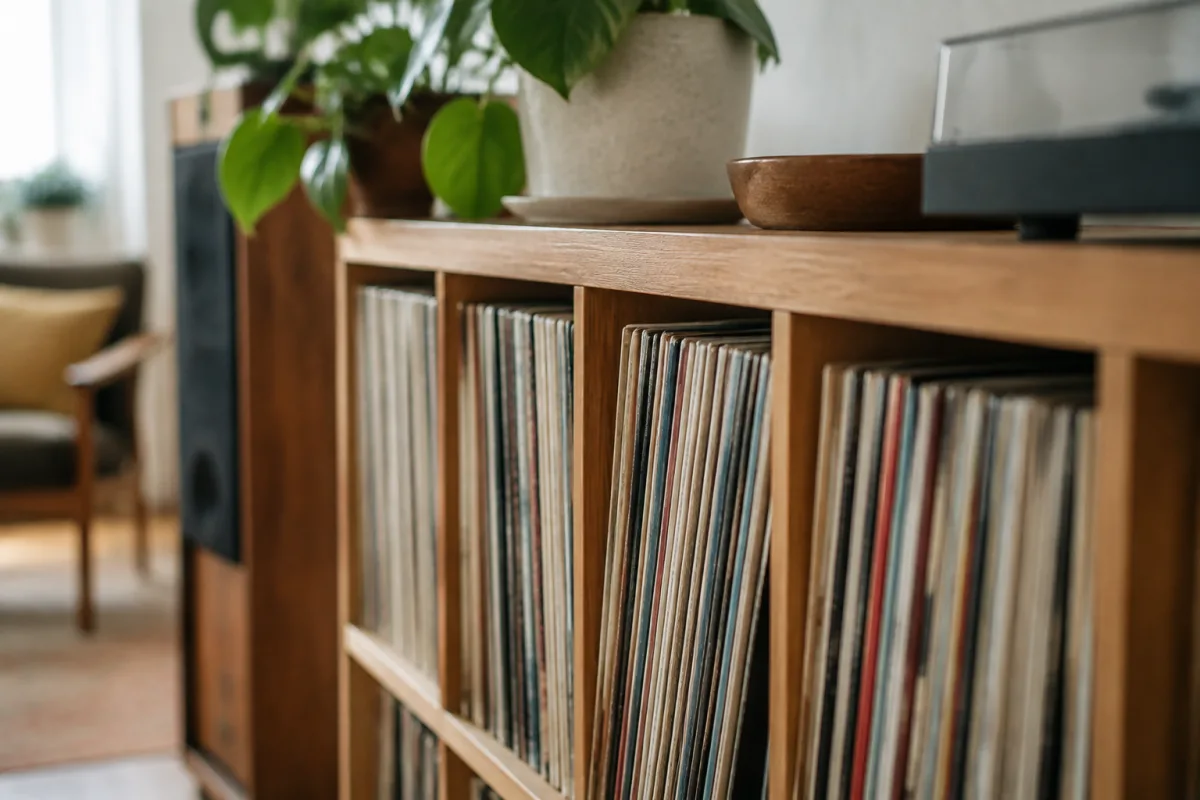
For vinyl collectors, the right storage solution protects your investment and keeps your records in playable condition for decades. A quality vinyl lp storage box is more than just a container—it's a carefully designed system that maintains the correct humidity, temperature stability, and physical protection your records need. Whether you're a casual listener with a handful of albums or a serious collector with thousands, choosing the proper vinyl lp storage box can make a substantial difference in how well your vinyl ages.
Types of Vinyl LP Storage Boxes
These storage solutions come in several distinct styles, each designed for different needs and spaces. Understanding the differences helps you select the right option for your collection.
Record Crates and Stacking Boxes are the most popular choice among vinyl collectors. These traditional options typically hold between 25 and 100 records, depending on size. They're designed to stack safely and are often made from corrugated cardboard or solid wood, making them both affordable and stackable. Many collectors arrange multiple boxes to create a wall of their collection, which works well in living rooms or dedicated listening spaces.
Archival Storage Boxes offer premium protection and are acid-free, which is essential for long-term preservation. These use museum-quality materials to prevent deterioration of album covers and vinyl itself. They're particularly valuable for rare or valuable records and are often used by libraries, studios, and serious collectors who view their vinyl as both an asset and a legacy.
Decorative Storage Solutions blur the line between functionality and aesthetics. Some manufacturers now produce units that look like furniture pieces—credenzas, shelves, or coffee tables—allowing your collection to become part of your room's décor rather than hidden away.
Essential Materials and Durability
The material composition of your vinyl LP storage box directly affects how well it protects your records. Corrugated cardboard remains the industry standard because it provides excellent structural support whilst remaining lightweight and cost-effective. The best options use thick-wall corrugated materials with a minimum of 350 GSM (grams per square metre) to ensure they won't collapse under the weight of records.
Solid wood storage boxes offer superior durability and a premium aesthetic. Plywood and solid hardwoods resist warping and damage over time, making them ideal for long-term storage. However, wood requires more careful selection—untreated wood can off-gas chemicals that harm vinyl and paper sleeves, so look for units made from properly sealed or treated wood.
Moisture resistance is critical in any storage solution. Vinyl records absorb moisture from their environment, which can cause warping and surface noise. Quality boxes feature smooth, water-resistant interiors and tight-fitting lids. Some collectors use silica gel packs inside their storage boxes to maintain optimal humidity levels, particularly in damp climates.
Organization and Accessibility
How you organize records within your storage boxes affects both functionality and preservation. A well-designed vinyl LP storage box should accommodate records stored upright—standing on their spines—which is the standard for long-term storage. This position distributes weight evenly and prevents warping better than stacking records flat.
Internal dividers or compartments help keep records organised within these containers. Some come with adjustable dividers that you can customize to suit your organizational system, whether you're filing alphabetically, by genre, or by artist. Having a clear system inside your storage boxes makes finding specific albums much easier and reduces the handling time for your collection.
Stackable options should have reinforced corners and bases to prevent collapse when stacked multiple units high. Check the weight capacity of the manufacturer—a quality box should safely hold between 40 and 50 kilos of records without risk of structural failure. When stacking, ensure boxes are placed on a level surface and that the bottom unit doesn't bear more than its rated capacity.
Climate Control and Environment Considerations
Vinyl degrades when exposed to extremes of temperature and humidity, making environmental control crucial for proper placement. The ideal conditions are between 60 and 70 degrees Fahrenheit (15–21 degrees Celsius) and 40 to 50 percent relative humidity. A quality vinyl LP storage box should be stored in a climate-controlled space rather than an attic, basement, or garage.
Direct sunlight damages both vinyl and album artwork, so these containers should be positioned away from windows and direct light. Ultraviolet light fades colours and can actually degrade the vinyl compound itself. Similarly, avoid areas near heat sources like radiators or air vents, as temperature fluctuations accelerate vinyl degradation.
Ventilation around your storage containers is also important. Avoid sealing boxes in completely airtight containers or pushing them tightly against walls where air can't circulate. Proper spacing allows moisture and heat to dissipate naturally, keeping your records in better condition over time.
Popular Vinyl Storage Box Options
Various vinyl lp storage box designs cater to different needs. Here's a comparison of the most popular vinyl storage box types for collectors:
| Storage Type | Capacity | Material | Best For |
|---|---|---|---|
| Corrugated Record Crate | 50–100 | Heavy-Duty Cardboard | Collectors on a Budget |
| Wooden Storage Box | 30–80 | Plywood / Hardwood | Premium Aesthetic Look |
| Archival Storage Box | 25–60 | Acid-Free Cardboard | Rare Records & Preservation |
| Metal Storage Unit | 40–120 | Steel / Aluminum | Industrial Spaces |
| Furniture-Style Credenza | 100–300 | Wood / Composite | Living Room Display |
Maintenance and Care Tips
Your storage solution requires minimal maintenance to perform its function properly. Regularly check boxes for signs of moisture, mould, or pests—these are the primary threats to vinyl in storage. Use silica gel packets inside your vinyl LP storage box if you notice any humidity issues, and replace them monthly.
Inspect the structural integrity of older containers periodically. Cardboard boxes gradually lose rigidity over time, particularly if they've been stored in variable humidity. If a box begins to show significant wear or loses its shape, transfer your records to a fresh unit rather than risk damage from structural failure.
Keep records covered with their original sleeves when stored in a vinyl LP storage box—the sleeve protects the record and helps maintain airflow. Never store these boxes directly on concrete floors, as concrete wicks moisture from the ground. Use shelving units or pallets to elevate boxes and allow air circulation underneath.
Finding the Right Storage Solution for Your Collection
Selecting the ideal vinyl LP storage box depends on your collection size, budget, and long-term goals. For expanding collections, corrugated crates offer affordability and easy expansion. If you display your collection prominently, furniture-style options provide an elegant solution that functions as room décor. For rare or valuable records, archival-quality materials justify the higher cost through superior preservation.
The most important factor is choosing a box that keeps your records upright, protected from moisture and temperature swings, and accessible for regular enjoyment. A proper storage solution means your vinyl collection will remain in excellent playing condition and retain its value for decades to come. Whether you prefer the simplicity of corrugated crates or the sophistication of handcrafted wooden storage, investing in the right vinyl LP storage box is investing in the long-term health of your music collection.
Start by assessing your current collection size and growth projections, then select an option that balances protection, aesthetics, and budget. Your records will reward you with consistent sound quality and lasting enjoyment for many years ahead.



Comments