
Vinyl Album Cleaner article
The Complete Guide to Vinyl Album Cleaner
A vinyl album cleaner preserves your collection's sound. Explore cleaning methods and equipment protecting your records for generations.
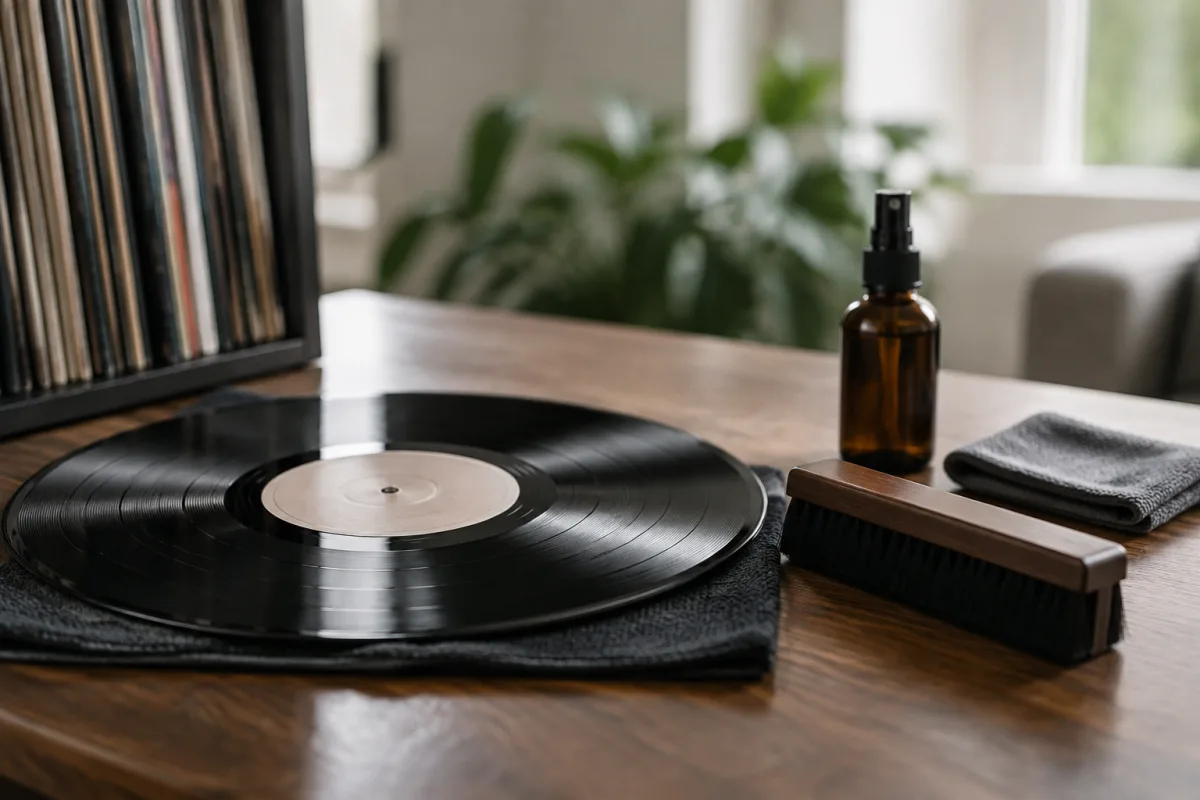
Vinyl records have experienced a remarkable renaissance amongst audiophiles and music enthusiasts. As collections grow and storage spans decades, maintaining record quality becomes increasingly important. A vinyl album cleaner represents an essential investment for anyone serious about preserving their collection and ensuring optimal playback sound quality. Understanding cleaning methods, equipment options, and best practices will help you protect your valuable records.
Why Vinyl Album Cleaning Matters
Dust, dirt, and debris accumulate on record surfaces despite careful storage. These particles not only affect sound quality by introducing noise, but also physically damage the delicate grooves that your stylus follows. A vinyl album cleaner removes these contaminants, restoring playback clarity and protecting against groove degradation.
Proper cleaning extends record lifespan considerably. Records cleaned regularly maintain their sonic character and visual appeal for generations, whilst neglected collections deteriorate progressively. The investment in cleaning equipment pays dividends through preserved sound quality and collection longevity.
Types of Vinyl Album Cleaners
| Cleaner Type | Method | Cost | Effectiveness |
|---|---|---|---|
| Manual Brush | Anti-static brush applied manually | £10–50 | Basic dust removal only |
| Wet Cleaning Kits | Brushes and cleaning solution applied by hand | £30–100 | Effective for moderate soiling |
| Spin Cleaners | Manual spinning whilst applying solution | £100–300 | Excellent for routine cleaning |
| Ultrasonic Cleaners | Sound waves dislodge particles | £500–3000+ | Exceptional; removes embedded debris |
Each vinyl album cleaner type serves different needs and budgets. Casual collectors benefit from manual systems, whilst serious audiophiles and professional archivists often invest in ultrasonic equipment delivering superior results.
Wet Cleaning Methods and Solutions
Effective vinyl album cleaning typically involves wet methods using distilled water and specialised cleaning solutions. Distilled water is essential — tap water contains minerals damaging to records. Quality cleaning solutions contain surfactants reducing surface tension and helping dislodge embedded particles.
Never use household cleaning products, vinegar, or alcohol — these damage the vinyl material itself. Dedicated record cleaning solutions are formulated to clean effectively without harming the record surface.
Spin Cleaners: The Sweet Spot for Most Collectors
Spin cleaners represent the practical middle ground between manual brushing and ultrasonic systems. They feature a motorised spindle rotating records whilst collection troughs capture dirty solution. The combination of mechanical action and vacuum collection removes substantial contamination.
Popular spin cleaners like the Klaudio or Pro-Ject offer excellent value for serious collectors. The motorised spinning ensures consistent, efficient cleaning superior to manual methods, yet costs significantly less than ultrasonic equipment.
Maintenance Habits Reducing Cleaning Frequency
Proper storage dramatically reduces contamination accumulation. Use inner sleeves of archival quality, store records upright in protective outer sleeves, and maintain stable temperature and humidity levels. Anti-static inner sleeves particularly reduce dust attraction.
Handle records by edges and labels only, never touch playing surfaces. Use a carbon fibre stylus brush between plays, and consider a record mat that absorbs static during playback.
Deep Cleaning Severely Contaminated Records
Inherited collections or thrift store finds often require deep cleaning. For heavily soiled records, multiple wet cleaning passes may be necessary. Some collectors use a vinyl album cleaner with distilled water only (no solution) for initial passes, then cleaning solution for final passes.
Patience matters significantly. Rushing the cleaning process can damage records. Allow adequate drying time between passes, and always spin carefully to prevent water ingress into the centre label.
Choosing the Right Cleaner for Your Collection
Consider collection size and cleaning frequency. Casual listeners with small collections may find manual methods sufficient. Serious collectors with 100+ records benefit from spin cleaners enabling efficient batch cleaning. Professional archivists restoring collections benefit from ultrasonic equipment providing superior results despite higher costs.
Budget, available space, and commitment level should guide your decision. Starting with affordable manual methods and upgrading to spin cleaners as collection size justifies the investment represents a practical approach for developing collectors.
A vinyl album cleaner represents a worthwhile investment protecting your collection's sound quality and longevity. Whether you choose simple brushes or sophisticated ultrasonic systems, regular cleaning maintains your records in pristine condition, ensuring that future listening sessions deliver the full sonic richness these remarkable analogue formats provide.



Comments