


Tool Vinyl article
Tool Vinyl for Beginners: A Complete Guide
Walking into a record shop as a beginner DJ feels overwhelming. This guide shows nervous first-timers how to choose, handle, and mix with tool vinyl without breaking the bank.
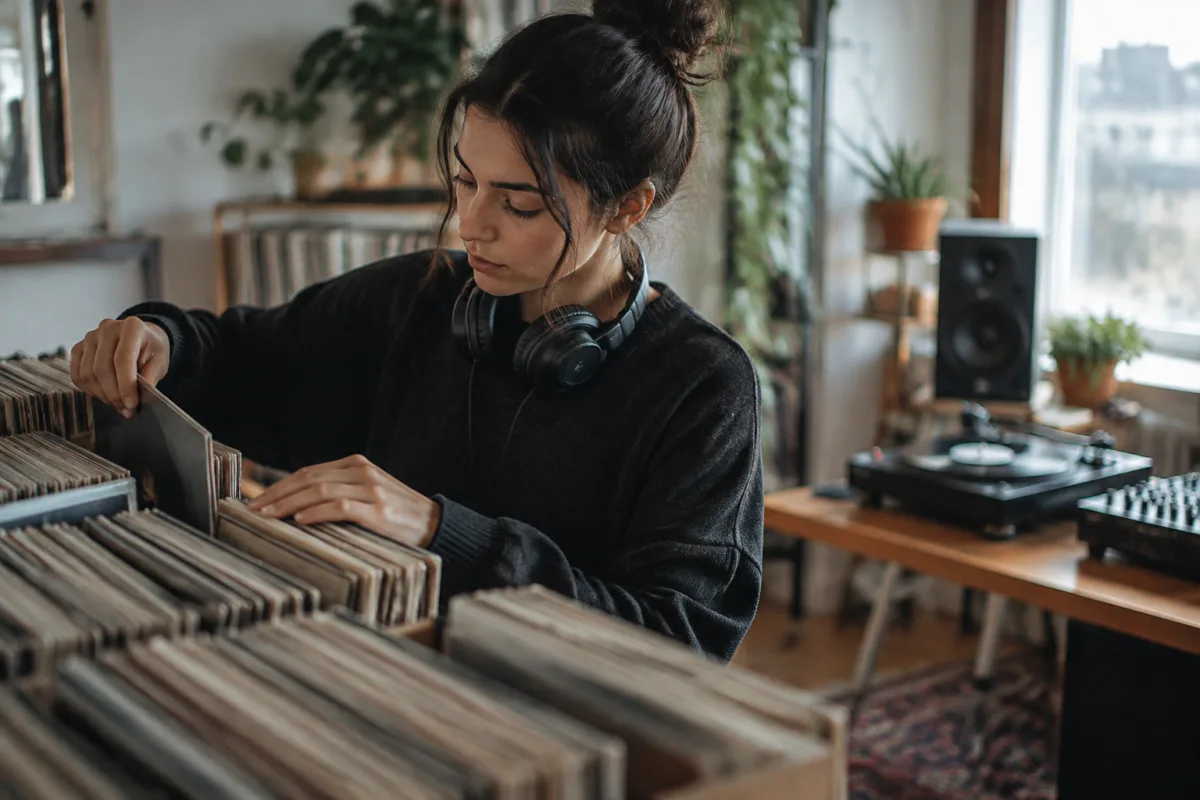
Walking into a record shop for the first time as a beginner DJ can feel like stepping into another world. Rows of colourful sleeves, mysterious technical jargon, and the weight of making the "right" record choice can make your head spin. If you're just starting your journey with vinyl and wondering whether tool vinyl is right for you, you're not alone. This guide strips away the confusion and shows you exactly how to get started with tool vinyl as a nervous beginner, even if you've never spun a record before.
What Makes Tool Vinyl Different for Beginners
Tool vinyl isn't the same as collecting rare first pressings or hunting for obscure breakbeats. As a beginner, you're looking for vinyl records that work well for practice, learning, and building your skills without breaking the bank. Tool vinyl serves this purpose perfectly—it's reliable, forgiving, and designed to help you develop your technique while you're still learning. The beauty of tool vinyl is that it removes one major anxiety: you're not worried about damaging something precious because it's meant for regular, hands-on use.
The Biggest Beginner Mistake
Most beginner DJs make the same costly mistake: they buy expensive, rare, or high-quality vinyl before they actually know how to handle records properly. Within weeks, their records are scratched, warped, or damaged. Tool vinyl teaches you a better approach: start cheap, learn proper technique, then upgrade to higher-quality records once you know how to care for them. Think of tool vinyl as your training wheels. Everyone needs them at first, and there's no shame in that.
Understanding Your First Tool Vinyl Setup
Before you even buy your first record, you need to understand what you're working with. Tool vinyl is typically:
- Affordable: Budget-friendly so you're not stressed about damage.
- Readily available: Easy to find in shops, online markets, and charity shops.
- Forgiving: More resistant to light scratches and minor damage than pristine collectibles.
- Reliable for mixing: Consistent enough to practice beatmatching and cueing.
- Good for learning genre: Often available in popular electronic and dance music genres.
As a beginner, this ticks all your boxes. You can focus on learning technique without the emotional weight of ruining something precious.
Starting Your Collection: The Practical Approach
Your first step isn't buying records—it's understanding vinyl care and playback fundamentals. Here's how to approach it:
- Get access to a turntable first. Borrow one, visit a friend, or use a DJ school. You need to actually feel a record spinning.
- Learn how to handle vinyl properly: clean hands, how to hold records, the correct way to place them on a turntable, and how to cue without damaging the needle.
- Start with just three to five cheap tool vinyl records in one genre you love.
- Practice beatmatching with these records until you're comfortable.
- Clean your records regularly using a soft brush to reduce dust and pops.
- Learn how to read vinyl condition descriptions so you know what you're buying.
Where to Find Affordable Tool Vinyl
Tool vinyl is everywhere if you know where to look:
- Charity shops: Goldmines for cheap vinyl. You'll find dance, funk, and electronic records at £0.50–£2.00 each.
- Record fairs: Local markets where dealers sell bulk lots. Perfect for finding bargains and learning the community.
- Online marketplaces: Discogs, eBay, and Facebook Marketplace have endless tool vinyl at budget prices.
- Independent record shops: Ask about their "bins" or cheaper sections. Owners love helping beginners find affordable records.
- Liquidation and DJ retailers: Shops clearing old stock often have discounted tool vinyl.
Handling Your First Records: The Beginner's Checklist
Improper handling is the fastest way to ruin vinyl. Use this checklist every single time:
- Wash your hands before touching records.
- Hold records by the edges only—never put fingers on the playing surface.
- Store records vertically in their sleeves, not flat in piles.
- Keep them away from direct sunlight, heat, and damp.
- Use a soft record brush to clean gently before each play.
- Never touch the turntable needle while a record is spinning.
- Lift the tone arm gently—never jab it onto the record.
- Use a record cleaning mat under your turntable to catch dust and debris.
Common Beginner Worries, Explained
Here are the questions every beginner DJ asks:
"Will I ruin expensive tool vinyl while learning?" No—that's the whole point of tool vinyl. It's designed to be played, scratched a bit, and used. If you're worried about cost, you've chosen the right vinyl for learning.
"How do I know if a record is damaged?" Look for visible scratches or warping. Light surface noise is normal in used vinyl. If a record skips or pops excessively, it's too damaged for mixing.
"Do I need special equipment for tool vinyl?" Not at all. A standard turntable and mixer are all you need. Tool vinyl doesn't require fancy equipment.
"How many records should I start with?" Three to five records are enough to learn basic mixing and cueing. Expand gradually as your skills improve.
"Can I mix tool vinyl with high-quality vinyl?" Absolutely. Many professional DJs do this. Once you're comfortable, blending budget and premium vinyl is totally normal.
Building Good Habits from Day One
The habits you build now will follow you throughout your DJ career. Make these non-negotiable:
- Clean records before every session (even tool vinyl gets dusty).
- Store records properly in sleeves, standing upright.
- Keep your needle clean and your turntable in good condition.
- Invest in a basic record brush and sleeve protectors—they cost very little.
- Never rush when handling records or cuing tracks.
- Document what works and what doesn't in a notebook.
When to Move Beyond Tool Vinyl
After three to six months of regular practice with tool vinyl, you'll naturally progress. You'll feel more confident, your technique will improve, and you'll know what you actually like in terms of sound and genre. That's when you consider adding higher-quality vinyl to your collection. But there's no rush. Many DJs continue mixing with a combination of tool vinyl and premium records for years.
Your Action Plan: First 30 Days
- Week 1: Visit a record shop or browse online. Don't buy yet—just explore and get comfortable with the environment.
- Week 2: Get access to a turntable. Learn the basics of handling records and operating the equipment.
- Week 3: Buy your first three to five pieces of affordable tool vinyl in a genre you love.
- Week 4: Practice beatmatching, cueing, and mixing with these records. Build muscle memory and confidence.
Connecting to Deeper Knowledge
This guide gives you the confidence to start, but there's a lot more to learn. Once you're comfortable with the basics, explore our complete guide to tool vinyl for deeper insights into selecting, caring for, and mastering vinyl records in electronic production.
Your Journey Starts Now
Tool vinyl isn't a permanent home—it's a starting point. Every professional DJ you admire started exactly where you are, learning to mix with affordable records, making mistakes, and developing real skills. The nervousness you feel now is completely normal, and it's actually a sign that you care about doing this right. Grab some cheap tool vinyl, get access to a turntable, and start practising. Within weeks, you'll wonder why you were ever nervous in the first place.


Comments