


Tool Vinyl Records Buying guide
Tool Vinyl Records: A Complete Buyer's Guide
Collecting Tool vinyl records requires understanding pressings, condition grading, and value. This guide covers originals vs reissues, pricing, and where to buy safely.
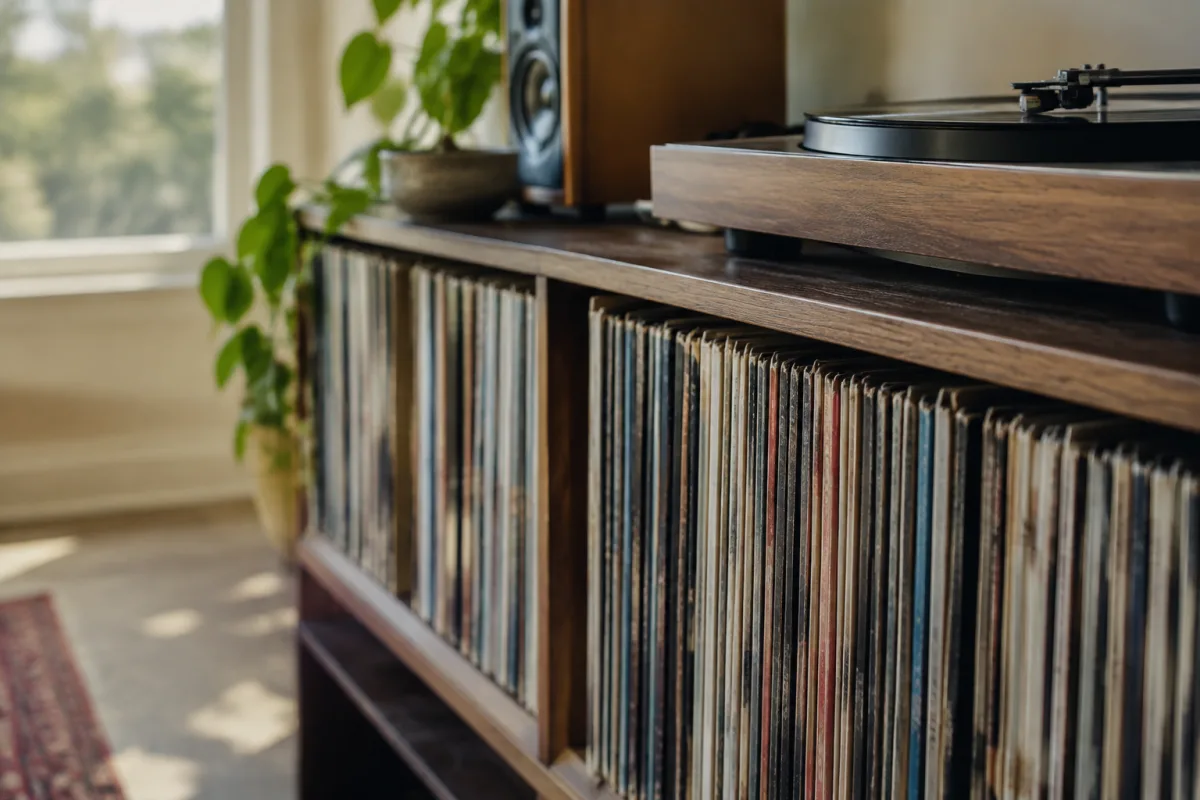
Tool vinyl records are sought-after items among collectors and serious listeners—and with good reason. The band's sonic complexity and album artwork demand the vinyl format. But buying them can be daunting if you're unsure about pressing variants, condition grades, original releases versus reissues, and fair pricing. This guide walks you through exactly what to look for when shopping for these records, so you invest wisely and avoid costly mistakes.
Understanding Tool's Vinyl Discography
The band released four main studio albums on vinyl: Undertow, Ænima, Lateralus, and Fear Inoculum. Each has multiple pressings—original issues from the 1990s and 2000s, reissues from later years, and various special editions. Understanding these variants is crucial to making smart purchasing decisions.
Undertow (1993). The debut album, originally released on vinyl in limited quantities. First pressings are highly sought, with the 1993 Volcano Entertainment pressing commanding premium prices. Reissues exist from the 2000s and later, offering similar sound quality at far lower cost.
Ænima (1996). Tool's breakthrough album and a cornerstone of 1990s progressive metal. Original pressings from 1996 are valuable; the album's intricate artwork makes vinyl the preferred format for collectors. Repressing have occurred multiple times, most notably in 2016–2017.
Lateralus (2001) and Fear Inoculum (2019). Both saw first pressings that are more affordable to source than the earlier records. Fear Inoculum, in particular, is recent and abundant, making it an ideal entry point for new collectors of Tool vinyl records.
Condition Grading: What "Mint" Really Means
Vinyl condition directly affects both playback quality and value. Understanding the grading scale saves you money and ensures you get what you're paying for.
Mint (M). Unplayed, unhandled, still in original shrinkwrap. Extremely rare and expensive. Unless you're buying a sealed Tool vinyl records set from a collector who's kept it pristine for 30 years, expect to pay top dollar.
Near Mint (NM). Played minimally or carefully stored. Minimal wear to cover and vinyl; plays with no audible defects. This is the sweet spot for serious collectors: excellent quality without the Mint premium.
Very Good Plus (VG+). Light surface wear and minor scratches visible under light, but playback is clear and satisfying. The most common grade for used copies and the best value for budget-conscious collectors.
Very Good (VG). Obvious wear and light scratching; some surface noise during playback. Still listenable, but noticeable degradation. Acceptable for casual listening or as a placeholder before upgrading.
Good (G) or Poor (P). Heavy wear, scratches, warping, or skipping. Generally avoid unless they're rare and out of print, or you're buying as a beater copy for frequent play.
Original vs. Reissue Pressings
This is where Tool vinyl records pricing diverges dramatically. Original pressings command premiums; reissues offer affordability without sacrificing sound quality.
Original Pressings (1990s–early 2000s). First pressings are increasingly rare, especially for Undertow and Ænima. Collectors value them for historical significance and potential collectibility. Prices reflect this: £50–300+ depending on condition and scarcity. Original pressings do not inherently sound "better" than reissues, but rarity drives value.
Modern Reissues (2010s–present). Repressings from original masters using contemporary vinyl pressing technology often deliver excellent sound quality, sometimes rivaling originals. Prices are far lower (£15–40 typically). For most listeners, a well-maintained reissue is the sensible choice. The sonic gap is negligible; the price gap is not.
Pressing Details That Matter
When you're examining specific Tool vinyl records, look for these specifications:
- Number of LPs. Some pressings are single LPs, others double or triple. A triple-LP pressing of Ænima exists; it offers wider dynamic spacing but costs more. Clarify this before buying to avoid disappointment.
- Vinyl Weight and Colour. Standard 180-gram black vinyl is common. Coloured vinyl, picture discs, or ultra-heavyweight pressings (200g+) command premiums. Aesthetically interesting but not mandatory; sound differences between weights are inaudible.
- Gatefold vs. Single Cover. Gatefold covers (opening like a book) showcase Tool vinyl records artwork beautifully but cost more to produce and are rarer. Single sleeves are lighter and cheaper.
- Mastering Engineer. Check the label notes: mastering by different engineers can affect sound. Some Tool vinyl records are remastered specifically for vinyl; others use older masters. Neither is inherently superior, but it's worth knowing before you commit.
Pricing and Value
| Album | Original Pressing (VG+) | Modern Reissue (NM) | Rarity Level |
|---|---|---|---|
| Undertow (1993) | £100–250 | £15–25 | High |
| Ænima (1996) | £80–180 | £18–28 | High |
| Lateralus (2001) | £30–70 | £15–22 | Medium |
| Fear Inoculum (2019) | £20–35 | £18–25 | Low |
Value depends entirely on your goal. For investment or serious collecting, an original pressing of Undertow justifies the premium. For listening pleasure, a modern reissue delivers comparable sonic satisfaction at 1/10th the cost. Neither is wrong; the choice reflects priorities.
Where to Buy and What to Avoid
Sourcing Tool vinyl records wisely protects both your wallet and your collection.
Reputable Sources. Speciality vinyl retailers, discogs (with buyer protection), and Ebay from high-feedback sellers minimise risk. Ask for high-resolution photos of the vinyl and cover before committing. Reputable dealers describe grading accurately and honour returns on misrepresented items.
Red Flags. Sellers who don't provide photos, dramatically undercut market prices, or describe grades vaguely (e.g., "still works") are often offloading problem copies. Suspiciously low prices are typically a warning sign. Buyer protection is essential: avoid cash payments to strangers or purchases from sellers with poor feedback on vinyl sales specifically.
Common Mistakes. Assuming all Tool vinyl records are valuable—most reissues are common and affordable. Buying blind without photos or detailed condition descriptions. Paying premium prices for common reissues available elsewhere for half the price. Do your research on Discogs pricing before offering to buy.
Storing and Maintaining Your Collection
Once you own vinyl records, proper care preserves value and playback quality. Store vertically in a climate-controlled environment, away from direct sunlight and excessive heat. Use record sleeves to protect spines and cover art. Handle discs only by the edges and label, never the playing surface. A good record cleaning kit removes dust before playing. These practices are cheap insurance against preventable degradation.
For comprehensive information on Tool's discography, listening experience, and the history behind these recordings, check our complete guide to Tool vinyl records.
FAQ
Are original Tool vinyl records pressings worth buying?
Only if you're collecting for investment or historical completeness. Original pressings offer no sonic advantage over quality reissues; they're valued for rarity. For listening, modern reissues are better value.
What's the difference between 180g and 200g vinyl?
Weight refers to the vinyl's thickness and density. Heavier vinyl is slightly more durable and resists warping better during storage and play. Sound differences are inaudible. Standard 180g is sufficient for most listeners.
Should I buy Tool vinyl records sealed in shrinkwrap?
Only for investment. Sealed records cannot be inspected for manufacturing flaws, pinholes, or warping. Collectors value seals for rarity; listeners sacrifice playability for a pristine outer appearance. Evaluate your priority before committing.
Where is Discogs and how do I use it to check Tool vinyl records pricing?
Discogs (discogs.com) is the definitive vinyl database and marketplace. Search for the album, and view pricing history for specific pressings. This research before buying prevents overpaying and teaches you fair market value.
Is it worth paying for expedited shipping on expensive Tool vinyl records?
Yes, if the order is high-value (£100+). Insurance and tracking protect against loss or damage in transit. Standard shipping on valuable records is false economy if the package is lost or arrives damaged.
Can I play Tool vinyl records on any turntable?
Yes, but quality matters. A cheap turntable with a heavy stylus accelerates wear on your records. If you own valuable Tool vinyl records, invest in a decent turntable (£100+) with a proper cartridge to protect your investment.



Comments