


Tool Band Vinyl Buying guide
Tool Band Vinyl: A Complete Buyer's Guide
A practical guide to collecting Tool vinyl—understand pressings, variants, rarity, and condition before investing in original pressings.
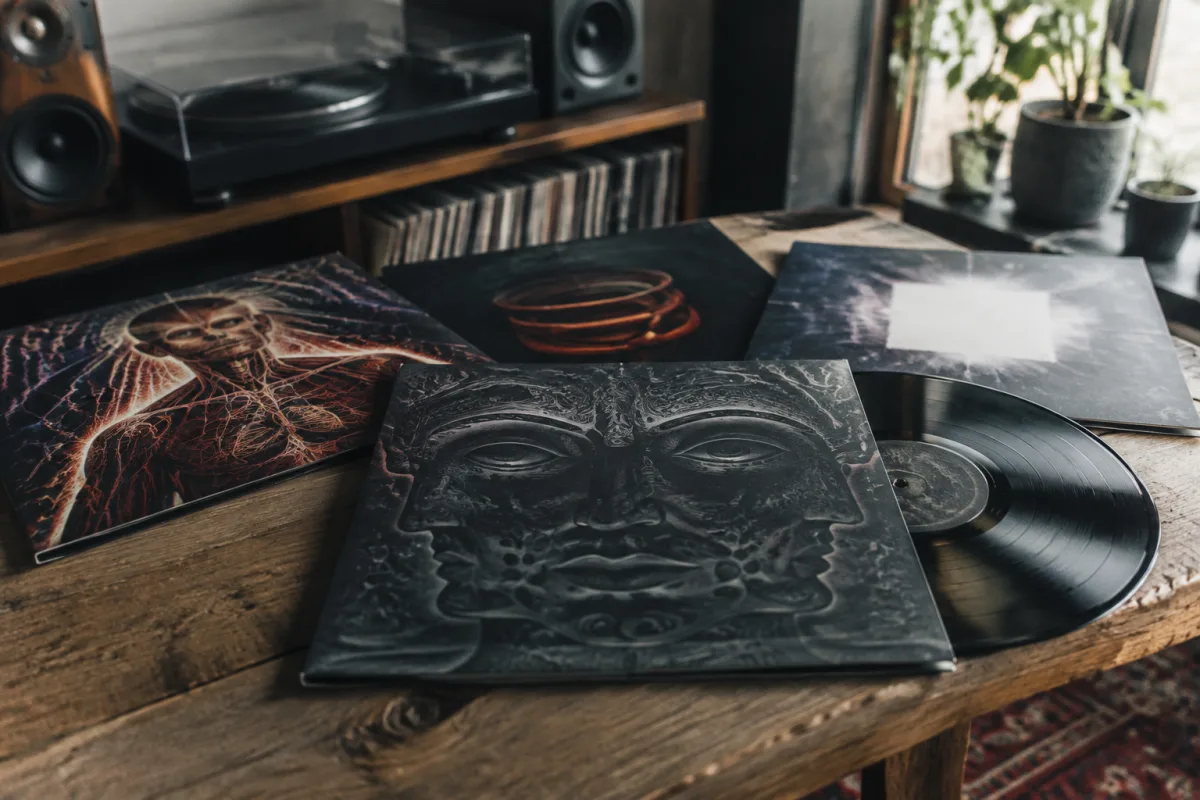
Tool's vinyl catalogue is vast, complex, and valuable. Their albums span decades, pressing variations are numerous, and collecting them properly means understanding what you're buying. This guide tells you what actually matters when you're building a Tool vinyl collection.
The Tool Discography on Vinyl: What Exists
Tool has released four studio albums: Undertow (1993), Ænima (1996), Lateralus (2001), and Fear Inoculum (2019). They've also released EPs, live recordings, and compilations. Each album has multiple vinyl pressings, and each pressing varies in rarity, condition, and price.
Start by understanding which albums exist on vinyl. All four studio albums are available. Tool rarely issues vinyl reissues; original pressings remain the standard. That rarity matters for pricing and value.
First Pressing vs. Later Pressings: The Price Difference
Original first pressings from the early 1990s are the collector's target. An original Undertow or Ænima first pressing can cost £50–300 depending on condition. That matters because later reissues of the same album cost £20–40.
Why the difference? First pressings are limited. They were pressed in fewer quantities. They're closer to the original mastering and pressing run. Later reissues are abundant. Both are legitimate, but first pressings hold collectible value.
For a new collector: buy later pressings to learn. You're spending less and building the collection. Upgrade to first pressings later as your collection and budget grow.
Vinyl Edition Details: What You're Actually Buying
Tool vinyl comes in several editions. The standard black vinyl is the most common and affordable. Colored vinyl (transparent, colored, multicolored) is rarer and costs more. Numbered limited editions are the rarest and most expensive.
These editions often have identical music—same mastering, same runtime. The difference is purely collectible scarcity. A transparent green Undertow plays the same as a black one. It costs more because fewer were pressed.
Know what edition you're buying. The listing should specify: original pressing, reissue year, vinyl color, numbered limited edition status. If unclear, ask the seller.
Pressing Details: Where Rarity Hides
Original Tool pressings sometimes have variations in the runout groove markings, matrix numbers, or label details. These variations determine rarity levels among first pressings of the same album.
For a beginner collector, you don't need to memorize these. Know that variants exist, and understand that specialist collectors pay premiums for specific rare variants. A reference like Discogs lists variants with rarity notes.
When buying, check the Discogs entry for the album and edition. It will show variants and what prices each typically commands. That prevents overpaying.
Condition Grades and Realistic Pricing
Vinyl condition is graded on a scale: Mint (M), Near Mint (NM or M-), Very Good Plus (VG+), Very Good (VG), Good Plus (G+), Good (G), Fair (F), and Poor (P).
A Mint first pressing of Undertow might cost £200+. A Near Mint version might cost £120. A Very Good Plus version might cost £60. A Good version might cost £30. Same record, vastly different prices based on condition.
For playing: VG or VG+ is fine. The record plays, sounds good, shows reasonable wear. For collecting: VG+ or NM is typical. Mint original pressings are rare and expensive.
When buying, ask for detailed photos of the vinyl and sleeve. Look at actual grooves under light. Wear is visible. Pops and crackles are the symptom of poor condition. Read seller reviews.
Sleeves and Inserts: Part of the Value
A vinyl record's value includes the original sleeve, inserts, and lyric sheets. A pristine Ænima first pressing is worthless without its sleeve. Well, not worthless, but worth far less.
Original inserts matter. Missing lyric sheets, damaged sleeves, or stickers lower value. When buying, verify that all original materials are included.
For playing: a worn sleeve doesn't matter. Your record plays the same. For collecting: sleeve condition is crucial. A record with a torn, reglued, or replaced sleeve is considerably less valuable than one with the original intact.
Fear Inoculum (2019): The Recent Pressing
Fear Inoculum arrived on vinyl in 2019, after 18 years without a new Tool studio album on vinyl. Tool pressed it carefully in limited quantities. Original 2019 pressings are increasingly sought-after collectibles.
Pricing reflects rarity. A pristine original 2019 Fear Inoculum can fetch £40–80. Later reissues (if they happen) will cost less. If you've been wanting this album, the 2019 pressing is the one to target for collection value.
Bootlegs and Counterfeits: What to Avoid
Unofficial Tool vinyl exists. Bootleggers press Tool's music without permission, sell it through shadier channels, and pocket the money. Bootlegs are identifiable: the pressing quality is usually worse, the sleeve art is off, the matrix numbers don't match official records.
Buy from reputable sellers: record shops, Discogs verified sellers, Reverb. Avoid suspiciously cheap first pressings from unknown sellers. A first pressing of Undertow at £10 is a bootleg. A real one costs at minimum £30.
Bootlegs don't support Tool. Don't buy them.
Storage and Long-Term Value
Vinyl stored poorly deteriorates. Keep records upright (not stacked flat), in a cool dry place, away from heat and direct sunlight. Original sleeves stay with the record. Polyethylene outer sleeves protect the original jacket.
A Tool first pressing stored carefully for twenty years is still valuable. The same pressing exposed to heat, humidity, and stacking degrades. Condition affects value enormously over time.
Buying Strategy for Collectors
Start with later pressings or VG-graded originals to understand the collection. Cost is lower, learning is easier. As you refine your taste and budget grows, upgrade to higher-condition originals or rare variants.
Use Discogs to research prices and variants before buying. Check Reverb and specialist vinyl sellers for availability. Read condition descriptions carefully. Ask questions about variants and pressing details. Join Tool collector communities online to learn from experienced collectors.
Don't overpay for "investment" value. Collect because you love Tool. Value appreciation is a bonus, not the goal. Genuine passion for the music is what makes collecting meaningful.
Common Collector Mistakes
Mistake one: confusing editions with value. A rare colored variant isn't necessarily more valuable if it's a later reissue. An original black first pressing is typically rarer than a 2010s colored reissue.
Mistake two: ignoring condition. You can't judge condition from a photo. Ask detailed questions. "Slight surface noise" on a supposedly NM record is a red flag.
Mistake three: buying expensive variants without understanding why. Some variants are rare for a reason (limited press). Others are just different colors. Know the difference before spending extra.
Mistake four: storing vinyl improperly. Flat stacking, heat exposure, and humidity destroy value. Proper storage is part of collection ownership.
Conclusion
Tool vinyl collecting is about understanding pressings, variants, condition, and rarity. Original first pressings command premium prices because they're scarce. Later reissues are affordable and legitimate ways to start. Condition matters enormously—a VG first pressing costs a fraction of a NM version of the same record. Use Discogs to research variants and realistic pricing before buying. Buy from reputable sellers and inspect condition carefully. Store vinyl properly to preserve value. Collect because you love Tool's music, and the value appreciation follows naturally. That's how you build a meaningful Tool vinyl collection.



Comments