
Storage for Vinyl Albums article
The Complete Guide to Storage For Vinyl Albums
Proper storage keeps vinyl albums sounding great for decades. Learn how environmental factors, furniture choices, and organisation protect your collection from warping, dust, and damage.
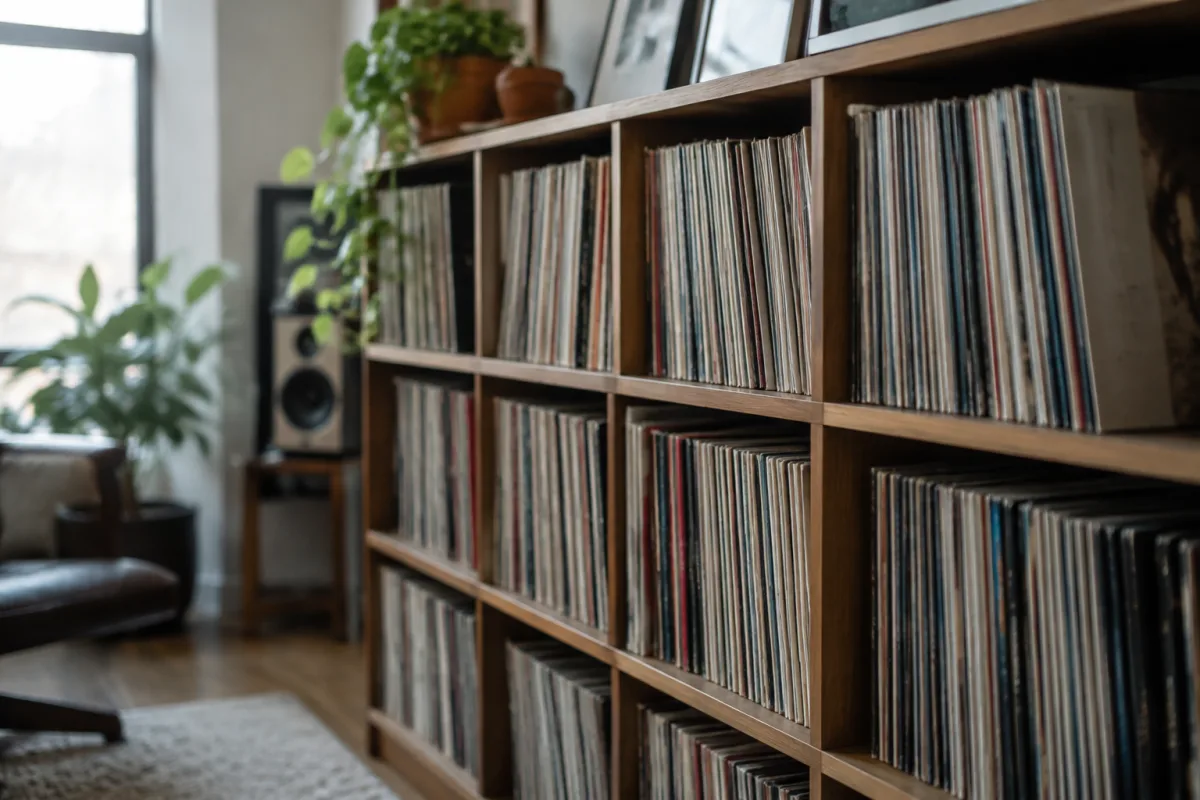
Storing vinyl albums properly keeps them sounding great for decades to come. Whether you're a casual listener with a modest collection or a dedicated enthusiast with thousands of records, the way you store them determines longevity and sound quality. Poor storage can warp records, damage sleeves, and degrade audio through dust, heat, and humidity exposure. Smart storage for vinyl albums involves understanding how records naturally age, what environmental conditions matter most, and which solutions work best for your particular collection size and available space.
Why Proper Storage Matters
Vinyl records require specific care because they're uniquely vulnerable to environmental changes and degradation. Unlike digital files that remain unchanged indefinitely, physical records gradually degrade through use and environmental stress. Storage for vinyl albums isn't merely about neat organisation—it directly impacts both sound quality and longevity of your recordings. Records stored carelessly develop permanent warping, wear grooves prematurely, and accumulate dust and debris that dramatically affect playback quality. Proper storage protects your investment and maintains the superior listening experience you purchased the records to enjoy.
Environmental Factors
Temperature stability matters tremendously for vinyl collections and their preservation. Records warp when exposed to excessive heat or dramatic temperature fluctuations throughout the year. Ideal conditions keep records consistently between 16 and 21 degrees Celsius with minimal seasonal variation. Avoid placing them near radiators, sunny windows, or equipment generating significant warmth. Even small temperature changes cause vinyl to physically expand and contract, creating permanent warping that careful handling cannot reverse or repair.
Humidity control proves equally important to temperature management. Very dry air makes vinyl brittle and prone to cracking, whilst excessive moisture encourages damaging mould growth and sleeve deterioration. Storage for vinyl albums should maintain 40-50% relative humidity year-round. Basements frequently suffer moisture problems damaging sleeves and jackets seriously. Attics swing wildly between temperature extremes. Climate-controlled living spaces—bedrooms or properly insulated cupboards—work far better for preserving collections long-term.
Light exposure fades sleeve artwork and prints over time. Keep records away from direct sunlight and harsh fluorescent lighting whenever possible. Ultra-violet light gradually degrades both printed covers and vinyl material over decades of storage. Closed storage cabinets or shelving positioned in dimly lit areas work far better than bright displays, even though showcasing collections visually appeals to many collectors.
Dust and Contamination Prevention
Dust particles settling into vinyl grooves cause irritating crackle and pops during playback. Storage for vinyl albums should actively minimise dust accumulation through enclosed storage solutions or protective covers. Dust sleeves inside original jackets provide basic protection against settling particles. Purpose-built storage solutions like enclosed cabinets or shelving with protective doors effectively prevent dust settling on spines and records. Always clean your collection carefully before storing items, keeping records upright rather than stacked horizontally, which allows dust to fall naturally.
Smoke and cooking vapours settle persistently on records and sleeves, causing noticeable odour and discolouration over time. Avoid storing collections in kitchens or areas near smokers. Pet hair and dander pose similar contamination problems. Enclosed storage keeps your collections protected from these persistent environmental contaminants.
Vertical Versus Horizontal Storage
Storing records upright on shelves remains universally recognised as the gold standard approach. Vertical storage distributes weight evenly across the record and prevents permanent warping from stacking pressure. The spine-out orientation lets you locate specific albums without removing many others unnecessarily. Purpose-built shelving spaces records properly without dangerous pinching or excessive pressure from weight.
Horizontal stacking damages records through accumulated weight crushing lower items in the stack significantly. Never store vinyl albums flat for extended periods, particularly stacks exceeding 10-15 individual records. If stacking becomes absolutely necessary, regularly rotate which records sit at the bottom, ensuring no single record bears prolonged weight indefinitely.
Storage Solutions for Different Collections
Small collections of 20 to 50 records fit comfortably in basic wooden shelving or plastic crates specifically designed for vinyl storage. These range from £30 to £100 and work effectively in most living spaces. Storage for vinyl albums at this manageable scale integrates naturally into existing furniture arrangements without requiring dedicated space.
Medium collections of 50 to 300 records benefit significantly from dedicated storage furniture solutions. Purpose-built record cabinets or specialized shelving systems provide climate-controlled environments with proper spacing and comprehensive dust protection. These mid-range options cost £100 to £400 and often become attractive furniture pieces enhancing your room aesthetics.
Large collections exceeding 300 records warrant serious infrastructure investment. Dedicated storage rooms with professional climate control maintain absolutely perfect conditions year-round. Serious collectors invest in professional shelving systems, reliable humidity monitors, and temperature control equipment. These initial investments cost considerably more but effectively protect valuable collections worth thousands of pounds indefinitely.
Selecting Storage Furniture
Wooden cabinets offer genuine aesthetic appeal alongside reasonable climate control for collections. Solid wood construction provides genuine durability, though wood naturally absorbs and releases moisture. Ensure cabinets have adequate ventilation preventing humidity pockets that encourage damaging mould growth inside.
Plastic crates specifically designed for records provide remarkably budget-friendly solutions. They're stackable, easily moveable, and work reliably for smaller collections. Quality plastic construction doesn't off-gas harmful fumes damaging records unlike cheaper alternatives available.
Metal shelving withstands weight effectively and actively resists moisture damage, making it genuinely excellent for serious collectors. Powder-coated steel shelves reliably hold hundreds of records without noticeable sagging under weight. Metal storage for vinyl albums works particularly well in damp environments or basements.
Climate-controlled storage units offer practical solutions for collections too large for convenient home storage options. Professional storage facilities maintain precise temperature and humidity levels year-round, though they're only practical for very large or exceptionally valuable collections where costs become economically justified.
Organisation Within Storage
Alphabetise by artist or organise by musical genre—consistency genuinely matters more than which specific system you ultimately choose. Storing records logically lets you locate any item without removing many other records unnecessarily. Acid-free index cards or dividers help effectively organise large collections without accidentally damaging delicate sleeves.
Don't remove records from their original sleeves during storage for vinyl albums. Original covers actively protect records whilst allowing them to breathe properly. Inner sleeves frequently provide adequate protection, particularly lined paper sleeves rather than plastic which traps damaging moisture. Always replace damaged sleeves before long-term storage.
Long-Term Storage Considerations
If storing your collection for years without regular playing, recheck environmental conditions annually for changes. Humidity naturally drifts over time as building materials settle or insulation efficiency changes gradually. Always verify temperature stability and watch carefully for any damage from insects or moisture infiltration.
Insurance protection becomes increasingly important for valuable collections. Photograph your storage setup comprehensively and maintain detailed inventories of your holdings. Professional appraisals help ensure you maintain adequate insurance coverage for substantial collections.
Conclusion
Storage for vinyl albums requires thoughtful attention to environmental factors, logical organisation, and appropriate furniture selection, but the effort effectively protects sound quality and monetary value for decades. Focus consistently on stable temperature, moderate humidity, vertical shelving orientation, and clean storage conditions. Whether storing records in a small cupboard or a dedicated climate-controlled room, these practical principles ensure your records remain playable and enjoyable for many years. Invest in proper storage equipment suited to your collection size, and you'll successfully protect what matters most in your musical collection whilst keeping everything easily accessible whenever inspiration strikes to listen.


Comments