
Record Album Cleaner article
The Complete Guide to Record Album Cleaner
A record album cleaner isn't just a gadget for obsessives—it's the guardian of sound quality. Learn how to choose and use the right cleaner to restore your vinyl's brilliance.
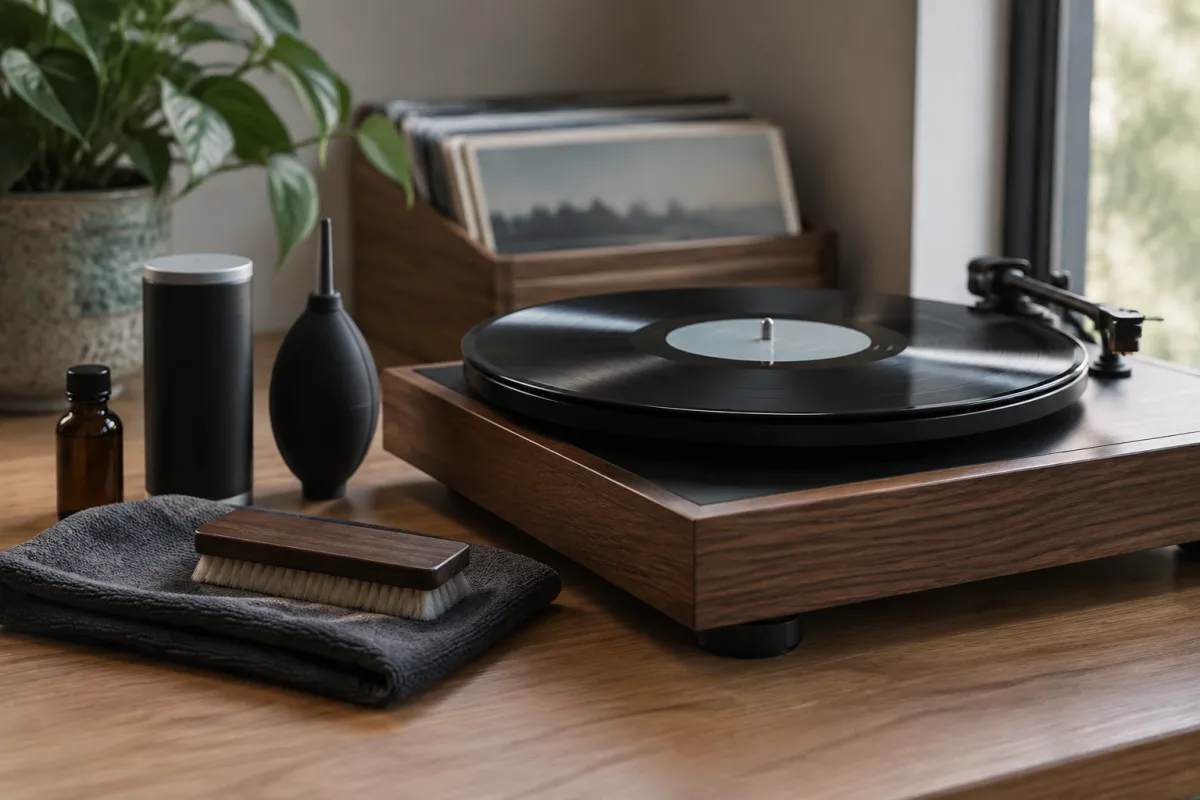
If you've ever cradled a vinyl record you've cherished since the eighties, you know the feeling—that slight anxiety as you lower the needle, wondering if dust and grime have stolen some of the magic from the grooves. The truth is, a record album cleaner isn't just a gadget for obsessives; it's the guardian of sound quality and the protector of your investment. Whether you're a casual collector or someone who's haunted every charity shop in your town, understanding how to properly clean your records will transform how they sound.
Why Record Album Cleaners Matter
Vinyl collects dust and debris like a magnet. Every time you play a record, particles settle into the grooves, and every time the stylus runs through, it picks up more grime. Over months and years, this accumulation doesn't just dull the sound—it can actually damage both the record and your turntable needle. A record album cleaner removes these contaminants, restoring clarity and extending the life of your cherished albums. The difference between a dirty and properly cleaned record is genuinely remarkable; it's like hearing the album for the first time all over again.
Types of Record Album Cleaners
There are several approaches to keeping vinyl clean, each with its own strengths:
- Brush-Based Cleaners: The most affordable option, these feature soft bristles that physically remove surface dust. They're quick, portable, and work best as preventative maintenance between deeper cleans.
- Vacuum Cleaners: These sophisticated machines use suction to extract dirt from the grooves. Professional models are pricey but highly effective; they're what you'll find in serious collectors' studios.
- Ultrasonic Cleaners: The gold standard for deep cleaning, these use high-frequency vibrations to dislodge particles at a microscopic level. They're brilliant for rescuing neglected charity shop finds.
- Wet Cleaning Systems: Using distilled water and specialised cleaning fluid, these methods physically wash the record. Manual spinners and motorised systems offer different price points and effort levels.
- Spin Cleaners: A hybrid approach combining brush cleaning with a vacuum, these spin your record whilst brushes and suction work together. They're the workhorse choice for serious collectors who want efficiency.
How to Choose the Right Record Album Cleaner
Your choice depends on several factors. First, consider your collection size. A casual collector with twenty albums might be perfectly served by a decent brush cleaner. Someone with five hundred needs something faster and more thorough. Second, think about the condition of your records. Records from charity shops or car boot sales often need aggressive cleaning, whilst albums you've cared for since new just need gentle maintenance.
Budget matters too, but here's the thing—skimping on a record album cleaner is false economy. A poor cleaning method can damage grooves or leave residue that attracts more dust. Spend a little extra for quality, and your records will thank you for years to come. Finally, consider space and ease of use. Ultrasonic cleaners are brilliant but require real estate and a learning curve. A spin cleaner fits on a shelf and works instantly.
| Type | Cost | Effectiveness | Speed | Best For |
|---|---|---|---|---|
| Brush Cleaner | Under £20 | Basic | Very Fast | Quick maintenance |
| Spin Cleaner | £50–150 | Good | Fast | Regular collectors |
| Vacuum Cleaner | £200+ | Excellent | Moderate | Serious collectors |
| Ultrasonic Cleaner | £100–500+ | Exceptional | Moderate | Deep cleaning, rescues |
Best Practices for Using a Record Album Cleaner
Owning a record album cleaner is one thing; using it correctly is another. Always use distilled water rather than tap water—minerals in tap water can leave deposits that create more problems than they solve. Handle records only by their edges and label, never the playing surface. If you're using a wet cleaner, make sure your record is completely dry before playing it; some collectors use a lint-free microfiber cloth and let records air-dry in a vertical position.
Clean your records regularly as part of your routine, not as a desperate rescue mission. A quick brush clean before every play session keeps dust at bay. Reserve deeper cleaning for records that sound dull or have visible grime. Never use household cleaners, alcohol-based solutions (unless specifically designed for vinyl), or abrasive materials—they'll do more harm than the dust you're trying to remove.
The Sound of a Properly Cleaned Record
There's a moment when you play a deeply cleaned record for the first time, and it just clicks. The vocals are clearer. The bass has definition. You hear cymbal shimmer you didn't know was there. That's what a record album cleaner gives you—not just the absence of noise, but the presence of all the detail your albums were meant to have. It's a small investment that pays dividends every single time you spin something special.
Maintaining Your Record Album Cleaner
Don't forget that your cleaner itself needs care. Brushes should be washed gently and air-dried. Wet cleaners need distilled water changed regularly to prevent bacterial growth. Ultrasonic tanks should be cleaned according to the manufacturer's instructions. A well-maintained record album cleaner will serve you faithfully for years, helping preserve your collection for the next generation.
In the end, a record album cleaner is an act of love—love for the music, love for the physical format, and love for those albums that have soundtracked your life. They deserve better than dust and neglect, and your ears deserve the full experience these records were meant to deliver.


Comments