
Phono Player for Sale article
The Complete Guide to Phono Player For Sale
Choosing a phono player means understanding what type suits your needs — casual listening, serious audiophile listening, or professional DJing. Learn the key specs and options available.
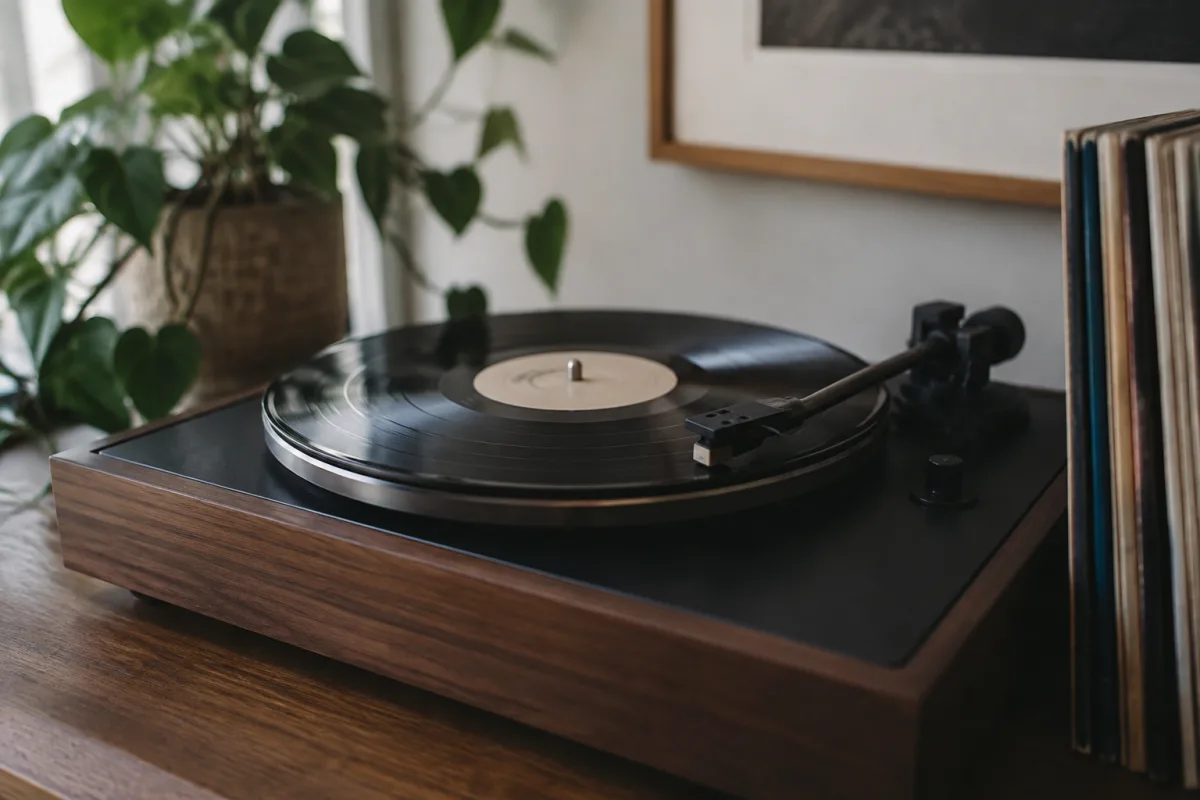
A phono player — often called a turntable, record player, or deck — remains the essential tool for vinyl enthusiasts and professional DJs alike. Whether you're rediscovering your parent's vinyl collection, building a modern listening setup, or mixing tracks for a club night, choosing the right phono player for your needs requires understanding the key differences between consumer turntables, DJ equipment, and specialist gear. The market today offers remarkable variety, from affordable entry-level players perfect for casual listening to high-end audiophile turntables costing thousands, and purpose-built DJ decks engineered for precise control and durability in demanding live environments.
Understanding Phono Players and Their Purpose
A phono player converts the physical grooves on a vinyl record into electrical signals that an amplifier can then amplify and send to speakers. This mechanical-to-electrical conversion is remarkably sophisticated. The stylus (needle) vibrates as it follows the record's groove, and these tiny vibrations are translated into an audio signal through either a moving magnet (MM) or moving coil (MC) cartridge system.
The term "phono player" encompasses several distinct product categories, each designed for different uses. A consumer turntable prioritises ease of use and listening quality for home enthusiasts. A DJ turntable emphasises responsiveness, pitch control, and durability for live performance. A portable record player is a self-contained unit with built-in speakers, ideal for casual listening without additional equipment. Understanding your primary use — casual listening, serious home listening, DJing, or collecting — guides your purchasing decision.
Key Specifications for Choosing a Phono Player
Quality phono players vary across several technical dimensions:
- Turntable speed. Most play at 33⅓ or 45 rpm. Certain specialist records (12-inch singles) may use other speeds. Quality players offer manual speed adjustment and stable playback across their entire speed range.
- Platter weight and material. A heavier platter (typically metal or aluminum alloy) provides more stable playback and better isolation from vibrations. Heavier platters cost more but deliver noticeably better sound.
- Tonearm design. The arm holding the stylus must track the record smoothly without skipping or causing excessive wear. Straight tonearms are simpler; S-shaped arms offer improved tracking geometry but cost more.
- Cartridge quality. The cartridge converts groove vibrations to electrical signal. Higher-quality cartridges (typically MM or MC types) deliver cleaner, more detailed sound. Good cartridges are replaceable, allowing upgrades without changing the entire turntable.
- Motor and speed stability. A quality motor maintains consistent speed even when the platter's rotational load changes. Quartz lock ensures precise speed; direct-drive motors offer superior stability compared to belt-drive systems.
- Build quality and materials. Premium turntables use thicker platters, isolated motors, and vibration-damping construction to reduce internal resonances that colour the sound.
Types of Phono Players
Today's market offers distinct categories of phono players:
| Type | Typical Use | Price Range | Key Feature |
|---|---|---|---|
| Entry-level turntable | Casual home listening, vinyl collection enjoyment | £100–300 | Affordable, simple setup, built-in preamp often included |
| Hi-fi turntable | Serious listening enthusiasts seeking quality sound | £400–1500+ | Premium cartridge, heavy platter, isolation, superior sound |
| DJ turntable | Live performance, mixing, scratching | £200–600 per deck (typically purchased as a pair) | Responsive pitch control, durability, quick start/stop, reverse function |
| Portable record player | Travel, casual listening, dormitory/apartment | £50–200 | Built-in speakers, lightweight, self-contained |
| Specialist turntable (club/broadcast) | Professional environments requiring extreme durability | £800–3000+ | Rugged construction, precise control, high reliability under heavy use |
Direct-Drive vs. Belt-Drive Phono Players
The motor system driving the platter is one of the most important distinctions. Direct-drive turntables have the motor shaft directly underneath the platter, providing direct power transfer. This design offers superior speed stability, faster startup time, and the ability to reverse direction — features essential for DJing. Belt-drive turntables connect the motor to the platter via a rubber belt, decoupling vibrations and reducing motor noise. This makes belt-drive more attractive for home listening seeking the purest sound quality.
For casual home listening, a quality belt-drive turntable delivers superior sound. For DJing or demanding live use, a direct-drive turntable is mandatory.
Setting Up Your Phono Player at Home
Proper setup makes a dramatic difference in sound quality. Ensure your turntable sits on a level surface away from vibrations — a dedicated turntable stand is ideal. Connect the turntable to an amplifier or active speakers via an RCA cable. If your turntable lacks a built-in preamp, connect to one before your amplifier (a preamp boosts the turntable's low-level signal to line level). Place the tone arm gently on the record, adjust tracking force according to your cartridge's specifications, and listen. Quality sound should be clean, detailed, and free from skipping or distortion.
A phono player for sale today represents an extraordinary range of options. Your choice depends entirely on your listening intentions, budget, and commitment to vinyl as a listening format. Whether seeking affordable nostalgia or uncompromising audio quality, a phono player remains a rewarding way to engage with music.


Comments