


Phono Jack 1 4 Buying guide
Phono Jack 1 4: A Complete Buyer's Guide
Learn how to buy phono jack 1/4" cables and connectors with confidence. This guide covers mono vs stereo types, cable quality, connector materials, and pricing for audio equipment.
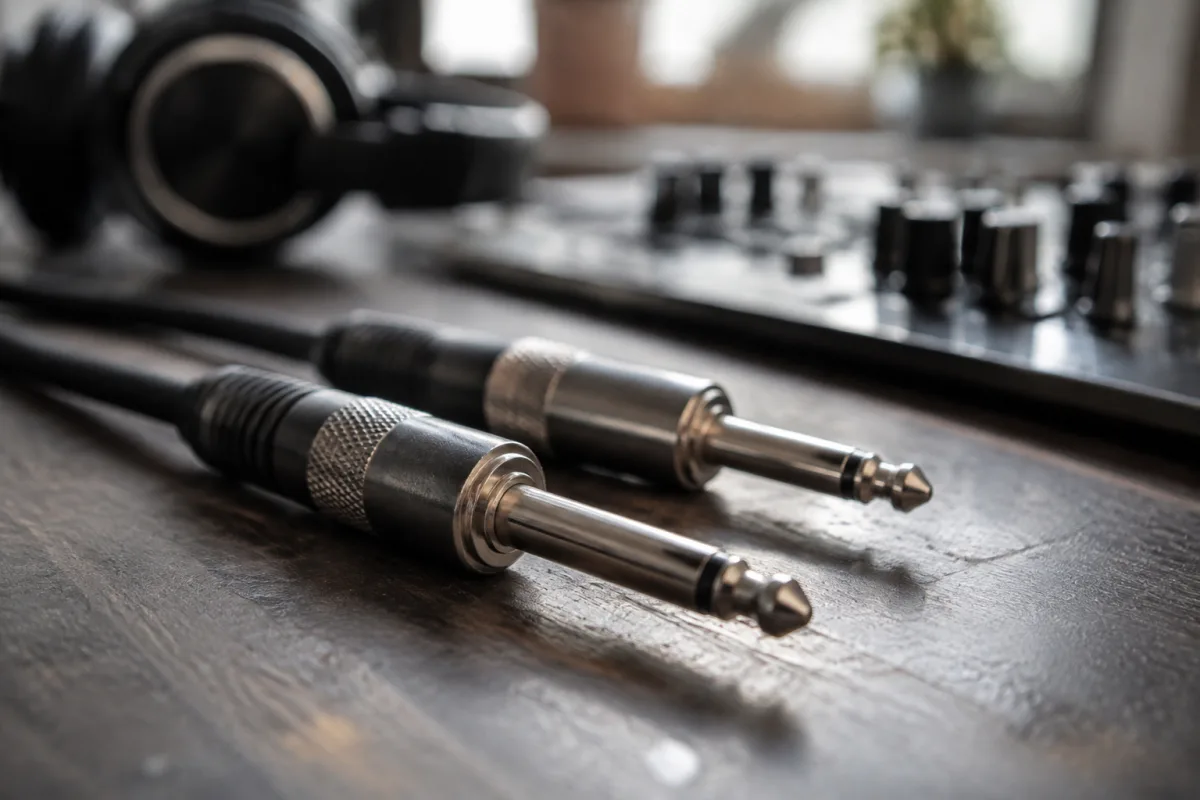
The 1/4-inch phono jack (or quarter-inch jack) is the most common connector in audio equipment, from electric guitars and keyboards to DJ mixers, synthesisers, and professional studio gear. If you're building a setup that requires phono jack cables, connectors, or equipment with phono jack inputs and outputs, understanding the types available, quality differences, and pitfalls will save you money, frustration, and audio problems down the line.
Understanding Phono Jack 1/4" Basics Before You Buy
Not all 1/4-inch phono jacks are identical. The fundamental distinction is between mono jacks (two-conductor) and stereo jacks (three-conductor). A mono jack carries a single audio channel; a stereo jack carries left and right channels simultaneously. Visual identification is straightforward: a mono jack has two metal rings and one shaft; a stereo jack has three metal rings separated by two insulating bands. Buying the wrong type creates silent channels, mono collapse, or completely dead audio paths.
Cable construction matters enormously. Entry-level phono jack cables use thin internal conductors and poor shielding, resulting in noise, intermittent connection loss, and signal degradation. Professional-grade cables use thick oxygen-free copper (OFC) conductors, proper shielding, and robust connectors that withstand repeated plugging and unplugging. The price difference is modest—£2–8 for a basic cable versus £8–18 for professional quality—but the reliability difference is dramatic.
Connector materials vary significantly. Gold-plated connectors resist oxidation and provide superior signal transmission compared to nickel or bare brass. If you're buying cables or connectors that will live in humid environments or face repeated connection cycles, gold-plating justifies the added cost. Budget alternatives suffer from oxidation that gradually increases resistance and introduces subtle audio quality loss.
Key Specifications to Check When Buying
Cable impedance specification matters if you're working with high-frequency signals or long cable runs. Most phono jack cables are rated at 50 or 75 ohms; the rating should match your equipment requirements. For standard audio use (guitar cables, DJ equipment, studio monitor connections), either specification works, but consistency prevents impedance mismatches that cause subtle signal reflections and audio degradation.
Connector retention is critical. Quality phono jacks grip inserted plugs firmly, preventing accidental disconnection during performance or use. Poor retention leaves plugs loose and prone to intermittent contact problems. Test this by hand when buying cables in person: the plug should require noticeable pressure to insert and remove, not slide in and out easily.
Shielding quality affects noise performance. Single-shielded cables provide basic protection; double-shielded cables (with both internal and external shielding layers) excel in noisy environments near computers, lighting rigs, or wireless transmitters. DJ booths and live performance venues often benefit from double-shielded construction despite the modest price increase.
Plug construction deserves scrutiny. Straight plugs work in most situations; angled (90-degree) plugs suit tight spaces where cable strain would otherwise damage equipment. Some budget plugs have fragile strain relief that cracks easily; quality plugs use reinforced strain relief that withstands years of bending and movement.
Common Pitfalls to Avoid When Buying
Mistake one: assuming all phono jack 1/4" cables are interchangeable. They're not. Buying a stereo cable for mono equipment creates half-dead channels. Buying mono cables for stereo equipment loses the right channel entirely. Confirm your equipment requirements before purchasing any cable or connector.
Mistake two: buying bundles of cheap cables to save money. One budget cable fails during a live DJ performance or recording session and you're stranded. Professional performers keep spare quality cables rather than relying on bundles of unreliable ones. The cheap option ends up more expensive through frustration and downtime.
Mistake three: overlooking cable length requirements. A 20-foot cable coiled in a 5-foot space introduces capacitance that subtly reduces high-frequency response. Buy cables as close to your actual distance requirement as practical. For most studio and DJ setups, 3–10 foot cables deliver optimal performance without excess coiling.
Mistake four: trusting visual condition as the only reliability indicator. A cable that looks pristine externally might have internal conductor damage, poor shielding, or failing solder joints. Buy from established retailers with return policies; test cables in your actual setup before committing to long-term use.
Mistake five: buying old phono jack equipment with cracked connectors expecting a quick fix. Connector replacement requires specialist tools and soldering expertise. If equipment has damaged phono jacks, factor professional repair costs (£40–80) into your purchase decision.
Price Tiers and What You're Paying For
Budget phono jack cables (£1–4) use thin conductors, basic shielding, and nickel plating. These work fine for non-critical applications but introduce subtle noise and fail prematurely under heavy use. A beginner hobby musician might tolerate this tier; a performing musician should not.
Mid-range cables (£5–12) offer solid construction, proper shielding, and gold-plated connectors. This tier delivers genuine reliability and sound quality improvement. Most home studios, rehearsal spaces, and casual DJs operate confidently at this price point. Cables typically last 3–5 years of regular use.
Professional-grade cables (£12–25) use premium materials, reinforced construction, and consistent quality control. These cables withstand heavy performance use, provide superior noise performance, and last 5+ years with proper care. Worth buying if you perform regularly or work in demanding studio environments.
Specialist cables (£25+) address specific needs: ultra-short runs, extreme shielding for noisy environments, or ergonomic angled connectors for tight equipment racks. Most users never need this tier, but specialists in demanding environments find genuine value.
Connector-only purchases (mono or stereo jacks without cables) typically cost £0.50–3 each for quality components. If you're building custom cables or replacing failed connectors, buying bulk quantity saves money and ensures consistent quality across your setup.
Making Your Purchase Decision
Assess your actual use case. Home hobbyist musicians can manage with mid-range quality. Live performers and recording studios warrant professional-grade cables. DJ equipment in nightclub environments benefits from double-shielded construction. Match specifications to actual needs rather than buying "the best" indiscriminately.
Buy from retailers offering return policies. Test cables in your setup before committing; some cables that perform acceptably in isolation sound subtly different when connected to your specific equipment. This equipment-dependent variation justifies the ability to return and try alternatives.
For comprehensive technical information about phono jack 1/4" construction, applications, and specifications, review our complete guide to phono jack 1/4" connectors after making your purchase.
Quality phono jack 1/4" cables and connectors are modest investments that deliver outsized reliability and performance improvements. Invest confidently in mid-range quality as your baseline; upgrade to professional-grade when your setup and performance demands warrant the improvement.



Comments