


Beat Port article
Beat Port for Beginners: A Complete Guide
Understanding beat ports doesn't require a degree in acoustical engineering. This beginner's guide walks you through the essentials in straightforward language, helping you appreciate one of the most practical design features in modern speakers.
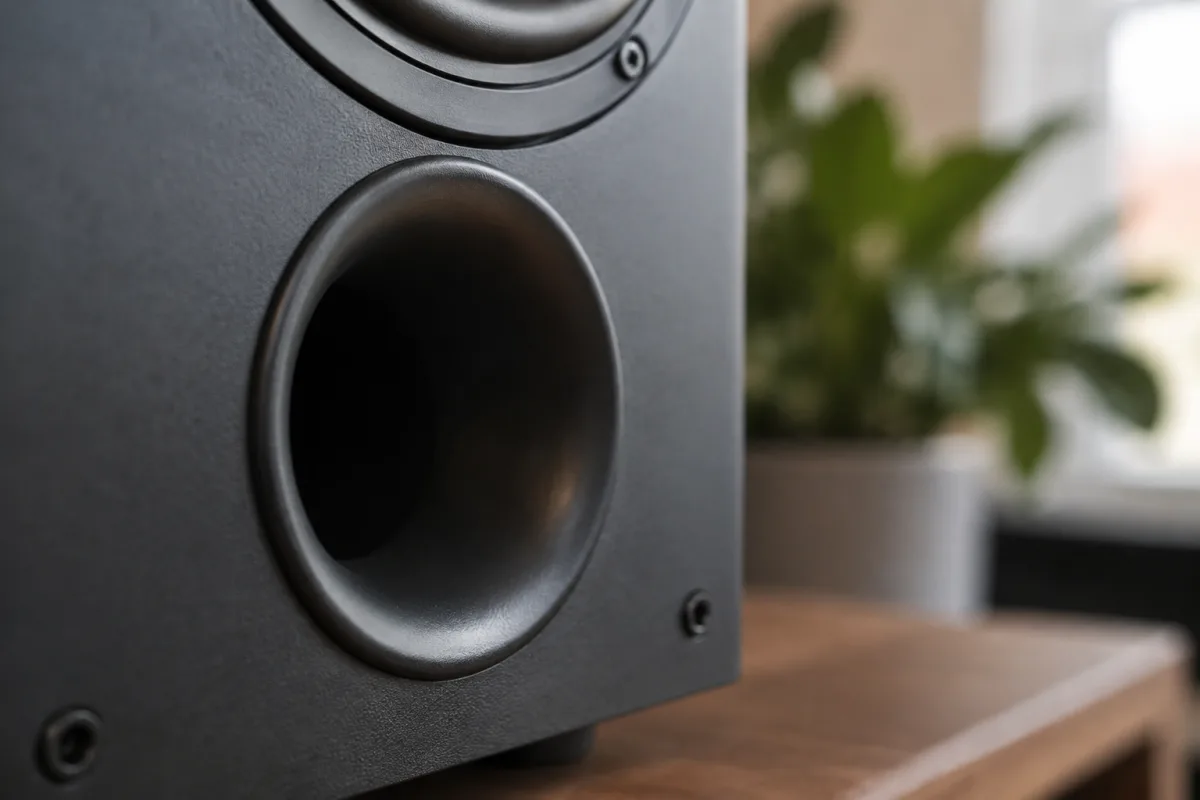
If you're new to understanding speaker design and acoustics, you've probably encountered the term "beat port" without fully grasping what it means or why it matters for your listening experience. Don't worry—understanding beat ports doesn't require a degree in acoustical engineering. This beginner's guide walks you through the essentials in straightforward language, helping you appreciate one of the most practical design features in modern speakers.
Understanding What a Beat Port Actually Is
A beat port, sometimes called a bass port or reflex port, is simply an opening in a speaker enclosure designed to enhance bass frequencies. Think of it as a carefully positioned hole that allows air to move in and out of the speaker cabinet in a way that amplifies low-end sound. If you've ever noticed a circular or rectangular opening in the back or bottom of a speaker, you've likely seen a beat port in person. This simple opening plays a surprisingly important role in how your speakers perform, particularly for bass reproduction.
Before diving deeper into beat port technology, it's worth reviewing the broader speaker landscape. Our ultimate guide to beat ports provides comprehensive technical details about design variations and specifications.
Why Beat Ports Exist: The First Steps to Understanding
When speaker designers create an enclosure, they're solving a fundamental problem: how to make bass frequencies sound realistic and powerful from a reasonably sized cabinet. A beat port is their elegant solution. By opening a precisely sized and positioned hole in the enclosure, designers allow sound waves inside the speaker to exit and reinforce the bass produced by the speaker's driver (the part that actually moves and creates sound).
This means you get deeper, fuller bass without needing an enormous speaker or an external subwoofer. For beginners, the key takeaway is simple: beat ports help speakers produce satisfying low-end without taking up excessive space or requiring complex electronics.
How Beat Ports Affect Your Listening Experience
The practical difference between a ported and non-ported speaker is immediately noticeable to most listeners. A speaker with a beat port typically delivers:
- Richer bass response: Low frequencies sound more present and engaging, whether you're listening to music, watching films, or playing games.
- Improved efficiency: Ported speakers often require less power to achieve the same volume as sealed designs.
- More exciting dynamics: Action scenes, percussion, and bass-heavy music feel more immersive.
- Appropriate size-to-performance ratio: You don't need a massive speaker to enjoy quality bass reproduction.
For a beginner experiencing ported speakers for the first time, the improvement in bass reproduction often feels revelatory. Suddenly, music has depth you didn't notice before, and the overall listening experience feels more complete.
Common Beginner Mistakes to Avoid
As you start exploring beat ports and speaker design, watch out for these frequent pitfalls that confuse newcomers:
Assuming All Bass Ports Work the Same
Not every beat port is identical. The port's diameter, length, and internal design significantly affect how it performs. Some ports are tuned for maximum bass extension, whilst others prioritise efficiency. Beginners often overlook these differences, assuming any ported speaker will sound identical to another. In reality, port design is highly specialised, and small variations create noticeable differences in sound character.
Ignoring Room Placement
Where you position a ported speaker dramatically affects how the beat port performs. Placing a ported speaker in a corner often results in exaggerated bass, whilst positioning it away from walls can make the bass feel thin. Beginners frequently position speakers based on aesthetics or convenience rather than acoustic considerations, missing the opportunity to optimise their listening environment.
Expecting All Ports to Be Visible
Some beat ports are clearly visible holes, whilst others are hidden inside the enclosure or positioned in ways that make them difficult to spot. A sealed-looking speaker might still contain a beat port. Don't judge a speaker's design solely by what you see from the outside—read the specifications or ask manufacturers for clarification.
Covering Ports Accidentally
This is surprisingly common and costly. A beat port requires air movement around it to function properly. Covering the port with furniture, cables, or acoustic panels severely compromises performance. Always ensure your speakers' ports have clear airflow around them.
Getting Started: Your First Steps
If you're new to beat ports and want to start understanding speaker design, follow these straightforward steps:
- Inspect your speakers: Look for any openings on the back or bottom of your existing speakers. If you see a port, congratulations—you're already familiar with beat port design!
- Listen critically: Pay attention to how your speakers reproduce bass. Do low frequencies sound natural, or do they feel either thin or boomy? This observation will help you appreciate what beat ports contribute.
- Read speaker specifications: When browsing speaker options, check whether they're ported or sealed. Start noticing the differences in how they describe their bass response.
- Experiment with placement: Try positioning your speakers in different locations and listen for changes in bass quality. You'll quickly discover how room placement affects beat port performance.
- Compare side by side: If you have the opportunity, listen to a ported speaker and a sealed speaker back-to-back. This direct comparison makes the beat port's impact immediately obvious.
Encouragement for Your Journey
Learning about beat ports is one small step in understanding audio equipment, but it's a significant one. You're developing the listening skills and technical knowledge that separate casual audio enthusiasts from informed consumers. Every piece of speaker technology you learn about contributes to your ability to choose equipment that genuinely serves your needs and preferences.
The wonderful thing about understanding beat ports is that this knowledge immediately enhances your appreciation for well-designed speakers. You'll walk into a shop or read a specification sheet with newfound awareness, recognising when designers have optimised their enclosure tuning for genuine performance rather than aesthetic considerations.
Don't feel pressured to master every technical detail about beat ports immediately. Start with the basics: they're ports that enhance bass, they affect your listening experience significantly, and room placement matters. As your interest develops, deeper technical knowledge will follow naturally. For now, enjoy your growing understanding of how these clever design features bring speakers to life.
Next Steps in Your Audio Education
Once you're comfortable with beat ports, you're ready to explore other speaker characteristics. Driver size, crossover design, and enclosure material all influence sound quality in fascinating ways. Each piece of knowledge builds upon your foundational understanding, gradually transforming you from a beginner into a confident consumer who can make informed decisions about audio equipment.
Your journey with beat ports has begun, and the fact that you're exploring these concepts puts you ahead of many casual listeners. Enjoy the process of discovery, and remember that understanding audio equipment is an ongoing journey—there's always something new to explore and appreciate.


Comments