
Akai Mpc Keys 61 article
The Complete Guide to Akai Mpc Keys 61
The Akai MPC Keys 61 merges MPC beat-making with a full-size keyboard. This hybrid production station lets you create complete tracks on one integrated device with professional features.
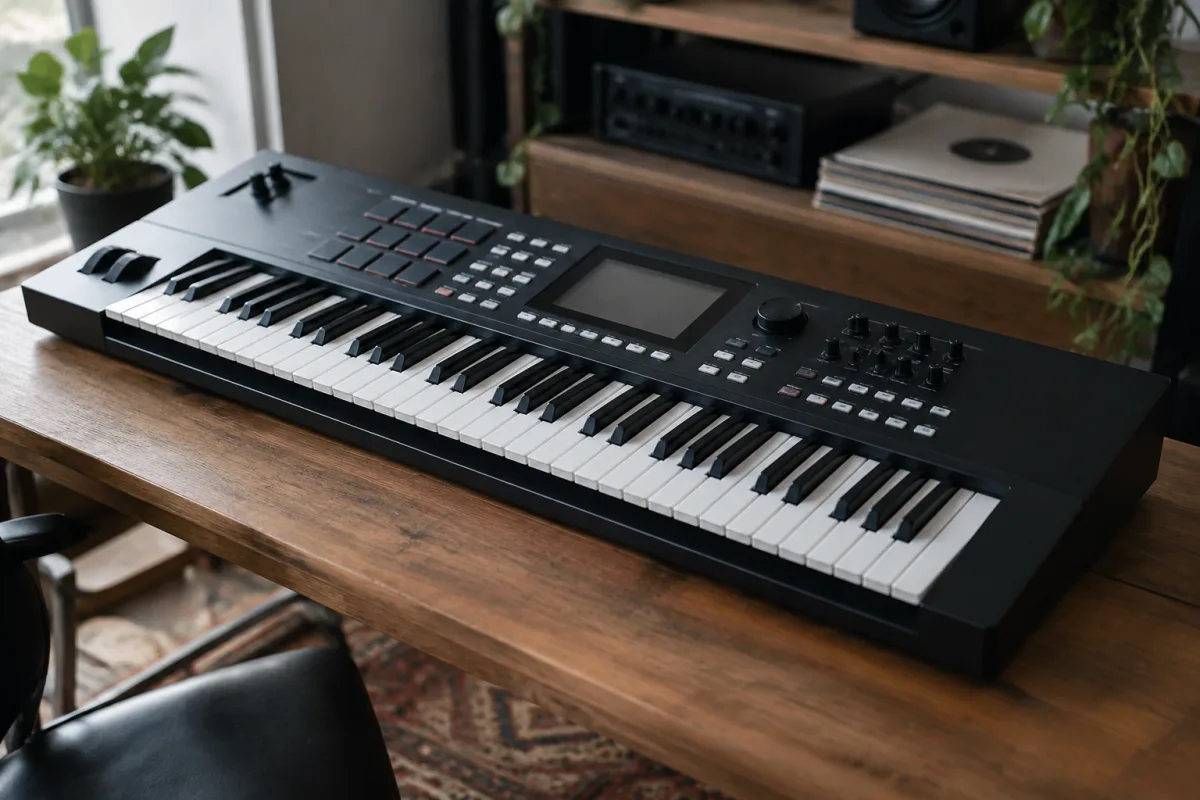
The Akai MPC Keys 61 combines the legendary beat-making power of the MPC with a full-size keyboard controller in one integrated instrument designed for modern music production. This hybrid production station lets producers, musicians, and electronic artists create complete tracks without switching between different devices or systems. The device brings professional music production capabilities to home studios and touring setups alike, making it accessible to creatives at any level. Understanding what makes this instrument distinctive helps you decide whether it fits your production workflow, studio space, and creative vision for future projects.
Combining Keyboard and Beat-Making Excellence
This production instrument builds directly on decades of MPC legacy, combining sophisticated beat production tools with keyboard performance capabilities in a single cohesive, well-integrated design. The device seamlessly integrates sampling, sequencing, and synthesis capabilities into one comprehensive production system. Unlike many standalone controllers that require external equipment, this hybrid unit functions as a complete production centre, letting you record tracks, edit performances, arrange full compositions, and perform live shows all on the same integrated hardware. The keyboard layout works naturally for musicians transitioning from traditional playing into electronic music production and beat-making, whilst the pad grid satisfies dedicated beat-makers accustomed to pad-based workflows from classic MPC units.
Keyboard Features and Layout Design
The full-size 61-key keyboard spans five octaves, providing sufficient range for melodies, chord progressions, and bass lines without creating excessive footprint in your production space. The keys respond sensitively to velocity and aftertouch pressure, allowing expressive playing with genuine dynamic control throughout performances and recordings. The keyboard integrates fluidly with the 16-pad grid positioned below it, letting producers and performers switch between keyboard and pad-based production workflows without interruption. For those considering the Akai MPC Keys 61 hybrid production approach, the unique layout appeals to those seeking keyboard expressiveness combined seamlessly with classic beat-making heritage and production speed.
The MPC Pad Grid and Performance Control
Sixteen pressure-sensitive pads below the keyboard form the heart of the production interface and workflow system. These launch audio clips, trigger samples, and control production parameters just like classic MPC units from previous generations of the product line. The pads respond expressively to velocity and aftertouch control, enabling genuinely dynamic, expressive performance capabilities for live shows and studio recording sessions. Dedicated knobs and buttons let you tweak sounds, adjust effects processing, and control production parameters in real time whilst performing live or recording spontaneous performances with complete creative control.
Sampling and Advanced Sound Design Capabilities
This integrated production device includes comprehensive built-in sampling capabilities constructed directly into the hardware platform. Record audio directly into the device from external sources, chop sampled material into playable pieces, and launch them from the pads or keyboard layers with immediate response. The unit processes all samples through professional effects including reverb, delay, and EQ tools for comprehensive sound shaping and creative manipulation. Producers building beat-making tracks from samples or creating intricate sound design concepts get professional-quality recording and processing without requiring separate external audio interfaces or software solutions for their workflows.
Sequencing and Arrangement Tools
The built-in step sequencer lets you create intricate drum patterns and melodic sequences with precise programming control. The clear display provides real-time feedback as you program patterns and arrange full tracks. Multiple recording modes capture your performances directly for spontaneous creation, or you can meticulously program patterns step by step with complete control over every element. MIDI connectivity lets you control external synthesizers and devices simultaneously, significantly expanding production possibilities beyond the integrated device capabilities alone.
Connectivity Options and System Integration
USB connectivity transforms the unit into a powerful MIDI controller for your DAW software running on computers and laptops. Audio inputs accept external sound sources, expanding your sampling and recording options considerably. The device outputs through balanced professional XLR connections or standard audio jacks suitable for studio monitors or mixing consoles. CV connections on certain models let you interface with Eurorack and other modular synthesizer systems, extending creative possibilities dramatically for experimental producers seeking hybrid setups.
Streamlined Workflow and Creative Efficiency
Working entirely within this integrated system keeps your creative flow uninterrupted and focused on actual music creation. You don't require a computer once the hardware boots up, allowing performances to feel direct, tactile, and genuinely responsive to your touch. This immediate hands-on approach appeals strongly to producers who find laptop-based production feels detached or overly complex from an intuitive workflow perspective. The hardware prioritises immediate creative expression over navigating software menus and digital interfaces.
Professional Audio Quality and Signal Processing
Built-in effects and processing deliver professional sound quality without requiring external plugins or additional hardware units for your studio. The complete audio path maintains excellent fidelity throughout recording and playback sessions. Professional-quality A/D and D/A converters ensure your samples stay clean when recording into the device or bouncing audio to your DAW or external mixing console. The overall sound quality stands up perfectly to professional production standards and broadcast-level work requirements.
Price Considerations and Value Proposition
Purchasing the Akai MPC Keys 61 device costs significantly less than buying a separate keyboard, standalone MPC, and audio interface individually from multiple manufacturers. Bundling these capabilities into one instrument justifies the investment for producers who use all these functions regularly in their creative workflows. Compared to professional studio gear overall, this solution offers remarkable value delivered in a compact footprint ideal for project studios and touring musicians needing portable production equipment.
Who Benefits Most From This Equipment?
Producers who genuinely love hardware-based production find this device ideal for their workflows and creative processes. Musicians performing live shows benefit substantially from the integrated keyboard and comprehensive pad performance capabilities. Home studio operators get a powerful centre-piece without requiring substantial studio space or complex technical setup procedures. Anyone wanting complete production independence without sprawling equipment setups benefits significantly from this integrated solution.
Conclusion
The Akai MPC Keys 61 represents genuine innovation in production hardware, merging expressive keyboard playing with fast beat-making in one streamlined professional instrument. Whether you're starting electronic music production or upgrading your existing setup, this device offers the legendary MPC workflow combined with proper keyboard performance capabilities. This hybrid approach appeals to modern producers who want genuine flexibility without creative compromise. Invest in this instrument, and you'll have a powerful production partner that grows with your creative ambitions for many years to come.


Comments