


Valve Oil Buying guide
Valve Oil: A Complete Buyer's Guide
Valve oil selection significantly influences how your brass instrument performs. Different oils suit different playing styles and climates. This buying guide helps you choose correctly.
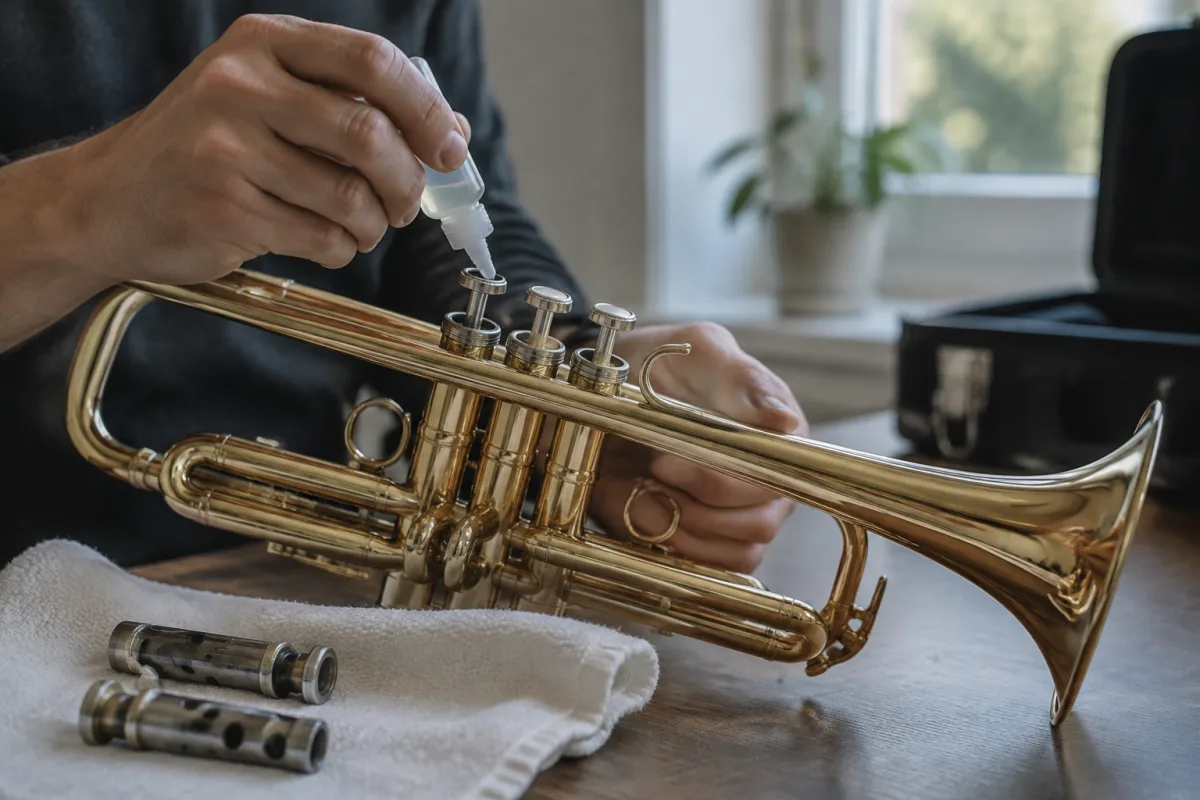
Valve oil seems straightforward—oil reduces friction and keeps brass instrument valves responsive. In reality, valve oil selection significantly influences how your trumpet, French horn, or tuba performs. Different oils suit different playing styles, climates, and instruments. This buying guide examines what makes certain valve oils preferable and helps you choose correctly without overspending on premium options you won't actually benefit from.
Understanding Valve Oil Types
Valve oils divide into three broad categories, each with different characteristics and ideal applications. Understanding these distinctions prevents buying the wrong product:
Light valve oils: These thin oils provide fast valve response and are favoured by classical players and orchestral musicians. They're ideal in stable temperature conditions. Light oils don't gum up over time and require frequent reapplication. They suit controlled indoor playing environments.
Medium valve oils: The practical middle ground between light and heavy. Medium oils provide balanced response and durability, working well across various temperature conditions. Most serious players choose medium oil as their default because it performs reliably in most situations.
Heavy valve oils: Thick, sticky oils that stay on valves longer and resist evaporation in hot climates. They're ideal for outdoor performance or hot environments. Heavy oils slow valve response slightly but reduce maintenance frequency. Touring musicians or performers in warm climates favour heavy oils.
Valve oil options exist across all three categories, with dozens of brands claiming superiority. The truth is simpler: matching oil weight to your playing environment matters far more than brand loyalty.
Key Specifications Worth Considering
When comparing valve oils, several factors influence performance and suitability:
Viscosity: Measured in centistokes, viscosity describes how thick the oil is. Light oils range from 15-25 cSt. Medium oils are 25-40 cSt. Heavy oils exceed 40 cSt. Know your current oil's viscosity and match it when reordering, unless you have good reason to change.
Temperature range: Quality oils specify performance across temperature ranges. Light oils perform well 10-25 degrees Celsius. Heavy oils maintain properties 15-35 degrees and beyond. If you play outdoors or in temperature-variable environments, match the oil to conditions you'll encounter.
Oxidation resistance: Better oils resist oxidising (breaking down) over time. This extends shelf life and keeps your instrument responsive longer between oilings. Budget oils oxidise faster, requiring more frequent reapplication.
Residue characteristics: All valve oils eventually oxidise and leave residue. Premium oils produce minimal gummy buildup. Budget oils gum up more readily. This directly affects how often you need to clean and re-oil valves.
Brand Comparisons and Value Analysis
Professional brass musicians debate valve oil merits endlessly. In reality, most quality products outperform budget alternatives marginally. Premium price doesn't guarantee proportional performance improvement.
Budget valve oils (under 5 pounds per bottle) work acceptably for practice and casual playing. They gum up faster and require more frequent maintenance, but they're inexpensive. Fine for student musicians or occasional players.
Mid-range oils (5-12 pounds per bottle) offer excellent value. They balance performance, longevity, and cost effectively. Most professional orchestral musicians use mid-range oils. Brand doesn't matter as much as specification matching.
Premium oils (12-25 pounds per bottle) offer incremental improvements in response smoothness and residue resistance. The difference is noticeable to trained ears but marginal compared to cost increase. Competitive performers sometimes prefer premium brands for psychological confidence more than actual performance difference.
Synthetic oils represent emerging technology. They resist oxidation better and maintain properties across wider temperature ranges. They cost more but last longer between replacements. For serious musicians, synthetic oils justify premium pricing through reduced maintenance.
Matching Oil to Your Instrument
Different brass instruments benefit from different oils. Trumpets and cornets handle light or medium oils well, preferring fast response. French horns work with medium oils balancing sensitivity and reliability. Tubas often benefit from heavier oils due to larger valve systems and typically outdoor/variable performance conditions.
Manufacturer recommendations matter. Check your instrument's documentation. Most suggest medium oils as default, which is sensible starting point for most players.
Environmental Considerations
Your playing environment dramatically influences suitable oil choice. Indoor practice in stable temperatures favours light or medium oils. Outdoor performance, especially summer playing, demands heavier oils that resist evaporation. Climate-controlled orchestra halls suit different oils than outdoor brass band performances.
If you play in variable conditions, consider medium oils as reliable compromise. They perform adequately across temperature ranges without specialising excessively toward any single condition.
Common Buying Mistakes
Brass musicians frequently make poor valve oil choices. Avoiding these errors saves frustration and expense:
- Buying the most expensive oil without matching specifications: Premium brands don't necessarily suit your needs. Match viscosity to your instrument and environment before considering price.
- Sticking with one oil forever: Environmental changes, instrument variations, or playing condition shifts might demand different oils. Revisit your choice annually.
- Confusing "premium" with "appropriate": An expensive heavy oil is wrong for fast-response classical playing, regardless of quality. Specification match matters more than brand prestige.
- Buying massive bottles: Valve oil has shelf life. Oxidation starts immediately after opening. Buy reasonably-sized bottles you'll use within 6-12 months. Massive cost savings on bulk purchases disappear if oil oxidises before use.
- Assuming more frequent oiling with cheap oil is acceptable: Gummy, degraded oil damages valves over time. Quality oil that lasts longer actually costs less in total instrument maintenance.
- Ignoring manufacturer recommendations: Your instrument maker specified certain oil properties for good reason. Follow their guidance before experimenting.
Testing and Evaluation Strategy
Valve response preferences are genuinely subjective. Rather than buying large quantities of unknown oils, acquire several small bottles (25-30ml samples) and test them. Play familiar passages and notice how valves respond, how long oil effectiveness lasts, and whether residue buildup seems faster or slower.
Keep notes. After testing several oils, patterns emerge about what suits your playing style and instrument. Your preferred oil becomes apparent through actual experience rather than marketing claims.
Making Your Final Choice
Start with mid-range oils matching your manufacturer's recommendations. Test for several weeks. If valve response and maintenance requirements satisfy you, stick with that choice. If problems arise (slow response, excessive gumming, poor longevity), systematically try heavier or lighter alternatives until you find optimal match.
Cost per use matters more than price per bottle. An expensive oil lasting twice as long between applications actually costs less than frequent cheap oil reapplication. Calculate total ownership cost, not just purchase price.
Once you've identified suitable oil, buy modest quantities regularly. Fresh, unopened bottles of quality oil perform better than aged bottles oxidising in storage. Consistent restocking ensures your instrument always gets appropriate maintenance.


Comments