
Tuba Bass Instrument article
The Complete Guide to Tuba Bass Instrument
The tuba bass instrument anchors orchestras and swings in jazz. Discover types, playability, and how to begin your tuba journey.
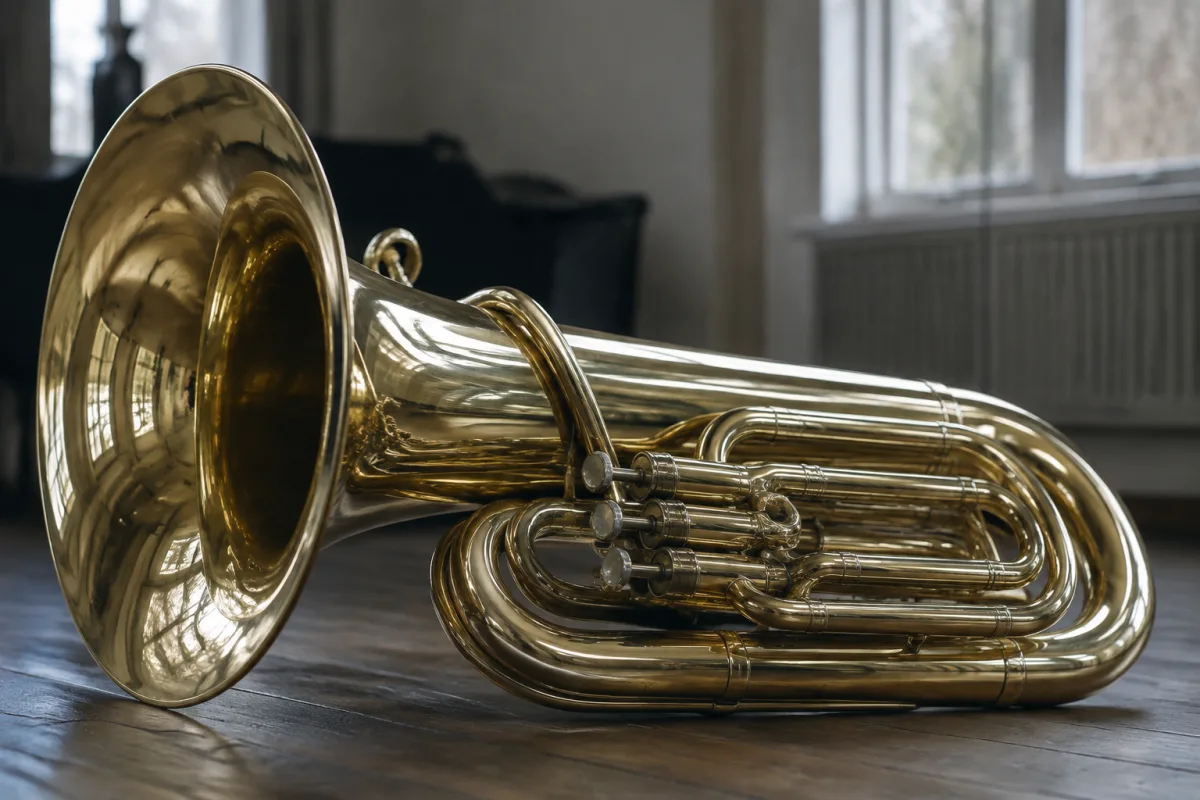
The tuba stands as the deepest-voiced instrument in the brass family, providing the foundational bass lines that anchor everything from orchestras to jazz ensembles to military bands. As a bass instrument, the tuba serves a fundamentally different role than other brass — where trumpets and French horns articulate melody and harmony, the tuba anchors rhythm and defines harmonic foundation. Understanding the tuba's role as a bass instrument, its construction, the different instrument families, and how to select the right tuba for your musical goals transforms this often-overlooked instrument into an exciting and genuinely rewarding musical pursuit.
The Tuba's Role as Orchestra's Bass Foundation
In orchestral contexts, the tuba bass instrument provides the lowest pitches of the brass section. Whilst cellos and basses offer strings' foundation, and timpani provide percussion's low-end rumble, the tuba delivers continuous, sustained low frequencies that support harmonic progressions. A single tuba player sustains entire harmonic foundation whilst other brass voices articulate above. This foundational role makes tuba indispensable in orchestral music — a good tuba bass instrument player becomes the bedrock upon which the entire brass section balances.
The tuba bass instrument differs fundamentally from higher brass voices. Trumpet and French horn players navigate quick passages and complex articulations. Tuba bass instrument players focus on sustained tone, secure intonation, and rhythmic precision. The approach is meditative in some contexts, explosive in others — adapting to music's demands rather than driving melodic narrative.
Professional orchestral tuba players spend years developing the embouchure control, breath support, and intonation sensitivity that transform difficult, low-flying instrument into an expressive voice. A well-played tuba bass instrument sings with unexpected warmth and nuance; a poorly-played tuba becomes the butt of jokes about wheezing metal monsters.
Tuba as Jazz Bass Instrument
Jazz transformed the tuba bass instrument from orchestral foundation into swinging, agile voice. Early jazz ensembles replaced orchestral string basses with tuba, which proved more portable for touring and delivered different sonic character. Jazz tuba bass instrument players developed agile, walking-line technique unthinkable in classical contexts — plucking and articulating instead of sustaining, improvising countermelodies alongside soloists.
Modern jazz preserves tuba traditions alongside string bass. Some ensembles feature tuba exclusively; others blend tuba with bass, creating richer harmonic texture. A tuba bass instrument player in jazz must master both sustained tone and rapid articulation, switch between different musical feels, and interact with rhythm section intuitively. Jazz tuba demands musicianship exceeding orchestral tuba — the bass instrument becomes interactive rather than supportive.
Contemporary jazz composers specifically write tuba parts recognizing the instrument's capabilities. A tuba bass instrument can provide deep harmonies alongside punchy rhythmic figures, subtle accompaniment alongside featured solo work. The instrument's adaptability and increasingly sophisticated approach make jazz tuba genuinely exciting and creatively rewarding.
Tuba Types and Size Variations
The term "tuba" encompasses several related instruments at different pitch levels. Understanding these variations clarifies which tuba bass instrument suits specific contexts and skill levels.
The B-flat tuba represents the most common orchestral choice, pitched at concert B-flat. An intermediate-difficulty instrument, the B-flat tuba balances reasonable playability with authentic orchestral sound. Most professional orchestral tuba bass instrument players use B-flat instruments.
C tubas, pitched a major second higher than B-flat, appear occasionally in orchestral contexts, particularly in European traditions. Concert pitch instruments, C tubas read directly from orchestral scores rather than transposing. Some players prefer C tubas for improved response and clarity.
F tubas, pitched a fifth below the B-flat, possess the deepest, most resonant tone. Exceptionally challenging to play — particularly in the highest register — F tubas reward experienced players with extraordinary depth and flexibility. Only advanced players should attempt F tuba bass instrument performance.
Contrabass tubas extend even lower, rarely encountered outside specialist contexts. These enormous instruments demand exceptional physical strength and embouchure development. Contrabass tuba bass instrument players represent an exclusive club of dedicated specialists.
Valve Systems and Playing Mechanics
Most modern tuba bass instruments use piston valves operated with the right hand. Three valves suffice for many playing contexts; four or five valves appear on advanced instruments, expanding available tunings and enabling better intonation in extended range. Valve action fundamentally impacts playability — responsive, smooth valves allow confident, clean articulation whilst sluggish, difficult valves frustrate rapidly.
Rotary valve tuba bass instruments appear primarily in European orchestral traditions. These instruments use rotary valves requiring different mechanical adjustment and embouchure approach than piston systems. Rotary versus piston remains a personal preference influenced by training, available repertoire, and regional traditions.
Bore size significantly impacts tuba bass instrument tone and playability. Larger bores produce deeper, warmer tone but demand more air support and increased physical effort. Smaller bores respond more readily and suit players with lighter embouchure. Selection depends on musical goals, physical capability, and available repertoire.
Choosing Your Tuba Bass Instrument
Beginner tuba players require instruments balancing playability with authentic tone. A quality student-level B-flat tuba from manufacturers like Yamaha or Jupiter provides accessible entry-point. Budget-conscious beginners occasionally select even cheaper instruments, though extremely cheap tubas frustrate through difficult valve action and tone limitations.
Intermediate players seeking advancement benefit from step-up instruments featuring superior valves, better intonation design, and richer tone. These instruments cost significantly more but enable technical development impossible on budget instruments. Many players remain entirely satisfied with quality step-up instruments throughout their musical lives.
Professional tuba bass instrument players invest in professional-grade instruments from manufacturers like Meinl, Yamaha, and York. These precision instruments feature flawless valve work, superior construction, and tone quality matching orchestral demands. Professional instruments can cost £5,000-£10,000+, representing serious investment for serious musicians.
Rentals provide sensible introductions for tentative students. Many music shops rent quality student tubas at reasonable monthly costs, allowing exploration without significant financial commitment. Rental programs often include maintenance and repairs, reducing unexpected expenses.
The Tuba Player's Journey
Learning tuba demands patient, systematic development. Early months involve mastering embouchure, breath support, and fundamental tone production. Unlike trumpet or French horn, where incorrect embouchure produces obvious squeaks, tuba mistakes manifest as fuzzy tone and intonation problems — harder to diagnose, demanding careful teacher guidance.
Reading bass clef and understanding transposition (or concert pitch, depending on tuba type) develops gradually. Acquiring decent intonation takes years; even advanced players continuously refine pitch control. The learning curve is steep but genuinely rewarding — breakthrough moments when new capabilities unlock prove especially satisfying.
Community matters significantly. Tuba players comprise a small, welcoming community. Tuba orchestras and ensembles specifically for low brass flourish worldwide, offering musical outlet and social connection. This camaraderie, rare among musical communities, makes tuba uniquely supportive for developing players.
Conclusion
The tuba bass instrument represents far more than the orchestra's low-note provider or jazz's walking-line voice — it's a genuinely expressive instrument capable of beauty, humour, and unexpected sophistication. Whether exploring classical tradition, jazz idiom, or contemporary composition, the tuba rewards dedication with extraordinary musical possibilities. Understanding the instrument's diverse applications, various tuba types available, and the learning journey required empowers you to approach tuba with eyes open. From beginner student renting their first B-flat tuba through professional principal players in major orchestras, every tuba musician discovers the instrument's unique voice and becomes part of an inclusive, welcoming community. The tuba bass instrument awaits discovery — and possibly your musical future.


Comments