


Trumpet Slide Buying guide
Trumpet Slide: A Complete Buyer's Guide
A practical guide to purchasing trumpet slides, covering materials, bore compatibility, used slide inspection, price tiers, and common buying errors.
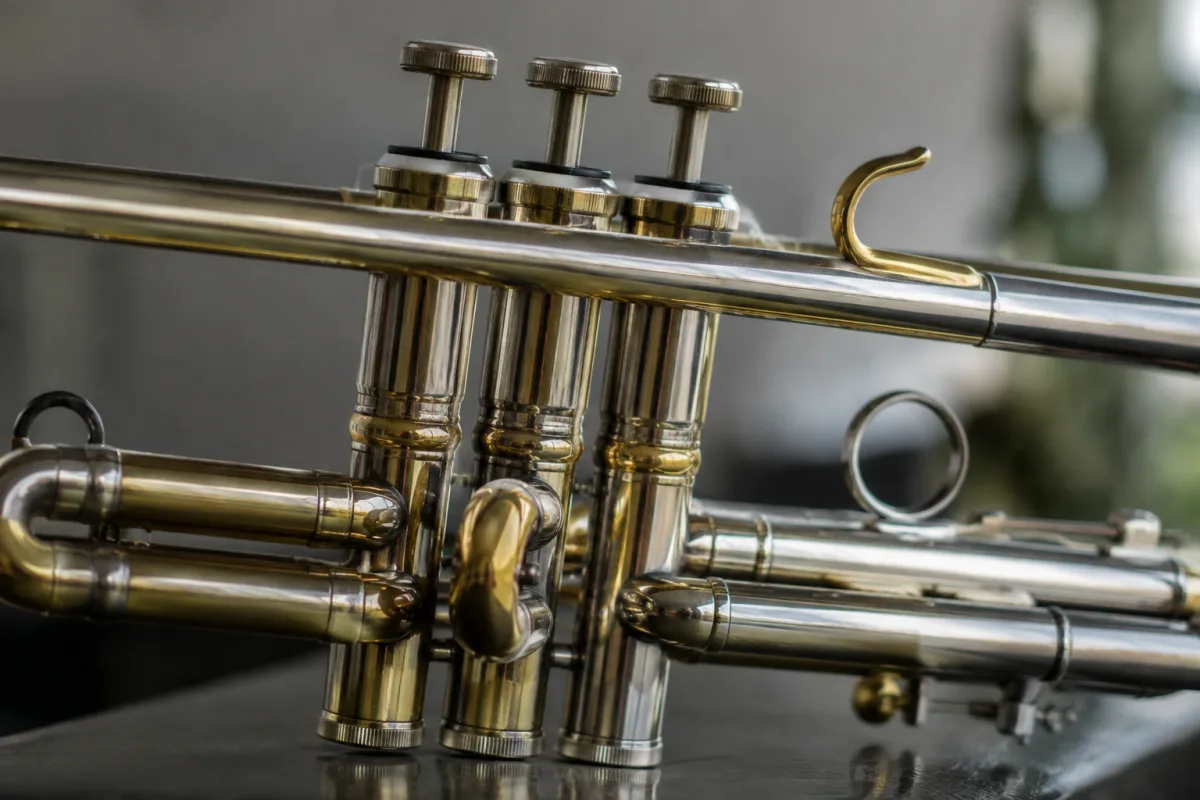
If you're looking to replace or upgrade your trumpet valve slides, knowing what to look for makes the difference between a smooth, easy-playing instrument and one that fights you. Whether you need slides for routine maintenance or want to improve your trumpet's response, this buying guide focuses on the practical factors that determine whether you're getting genuine quality. We'll walk you through materials, compatibility, condition assessment, and pricing so you can make an informed decision.
Understanding Trumpet Slide Types and Materials
Valve slides for trumpet come in several materials, each with distinct characteristics. When buying trumpet slides, material choice affects ease of operation and maintenance:
- Chrome-plated brass: The standard for most commercial trumpet slides. Corrosion-resistant, visually appealing, cost-effective. Good balance of durability and affordability for regular players.
- Monel metal: Superior corrosion resistance, favoured by professionals and players in humid climates. More expensive but outlasts chrome-plated slides significantly.
- Nickel silver: Less common, middle-ground option. Moderate corrosion resistance, suitable for intermediate players seeking upgrade from basic slides.
- Sterling silver: Premium choice, used on high-end instruments. Maximum corrosion resistance and aesthetic appeal. Justifiable only for professionals or collector-grade instruments.
For most buyers choosing trumpet slides, chrome-plated brass offers best value. Monel is worthwhile if you play in humid environments or want maximum durability. Sterling silver is primarily for prestige rather than practical function.
Compatibility: The Critical Consideration
Trumpet valve slides must match your specific trumpet model. When purchasing slides, incompatibility is the most common mistake:
- Valve slide bore diameter: Trumpets vary slightly in bore size. Slides designed for one trumpet might fit loosely or too tightly on another.
- Valve cap thread type: Different trumpets use different cap threads. Universal caps don't exist; verify your trumpet's cap type before ordering.
- Manufacturer specifications: Always reference your trumpet's manual or manufacturer website. Fender, Bach, Yamaha, and other brands have specific slide requirements.
- Serial number match: Some premium trumpets have slides specifically matched to individual instruments. Check documentation.
Before buying trumpet slides, measure bore diameter or photograph your current slides and contact your trumpet's manufacturer. Incompatible slides won't function properly and may damage your valves.
Condition Assessment When Buying Used Slides
If purchasing used trumpet slides, inspect carefully:
- Dents and bends: Even small dents create resistance and friction. Run your finger inside the slide—it should feel smooth. Skip slides with interior defects.
- Corrosion and deterioration: Surface corrosion is cosmetic; deep pitting indicates compromised material. Severe corrosion eventually causes valve sticking.
- Seal quality: Slide rings (bumpers) prevent metal-on-metal contact with the valve casing. Worn or missing rings compromise performance. Replacement rings cost £10-20.
- Threading condition: Examine the valve cap threads for stripped or damaged threads that prevent tight sealing.
- Straightness: Lay slides on a flat surface. They should rest evenly without rocking. Bent slides increase resistance.
A professional technician inspection (£20-30) is worthwhile for expensive used slide purchases. Hidden damage isn't visible to untrained eyes.
Price Tiers: Student to Professional
Budget (£20-40 per slide):
- Basic chrome-plated brass, often generic brands
- Adequate for student trumpets
- Lower durability, may require replacement within 2-3 years
- Fine for learning, not ideal for serious playing
Mid-range (£40-80 per slide):
- Quality chrome-plated or nickel silver slides from reputable brands
- Better durability and smoother operation
- Suitable for intermediate and advancing students
- Best value for most players
Premium (£80-200+ per slide):
- Monel or sterling silver slides
- Professional-grade construction and materials
- Exceptional durability and aesthetic quality
- Justifiable for professionals or collector instruments
Most players should purchase mid-range trumpet slides. Premium options are investments in longevity and comfort for intensive playing.
Complete Set vs. Individual Slides
Trumpet valve slides come in two scenarios:
- Individual replacement: If only one valve slide is corroded or damaged, buying a single replacement makes sense. Cost varies by type but typically £20-80 for one slide.
- Complete set (three slides): Purchasing all three slides together (usually cheaper per slide) is economical if multiple slides are wearing or if you want consistent material and quality across all valves.
A complete set replacement typically costs £60-200 depending on material. Compare per-slide cost when deciding between individual and complete set options.
Common Mistakes When Buying Trumpet Slides
Avoid these frequent purchasing errors:
- Assuming all trumpet slides fit all trumpets: Bore diameters vary. Incompatible slides don't work properly and may damage valves.
- Buying without checking valve cap threads: Different trumpets use different cap threads. Mismatched threads mean slides won't seal properly.
- Choosing solely on price: Budget trumpet slides feel sluggish and wear quickly. Mid-range offers better long-term value.
- Ignoring visible corrosion on used slides: Surface corrosion is acceptable; deep pitting means structural compromise and eventual sticking.
- Buying premium slides for a budget student trumpet: Quality slides don't improve a budget trumpet significantly. Match slide quality to instrument quality.
- Forgetting about wear rings: Slides with worn or missing valve rings need replacement (£10-20). Factor this into used slide pricing.
Installation and Maintenance Considerations
When buying trumpet slides, consider whether you can install them yourself or need professional help. Valve slide installation is relatively simple (three-valve configuration, straightforward removal and replacement), but if you're unsure, budget £20-30 for professional installation. This brings total slide replacement cost from £50-100 (DIY) to £80-130 (with professional installation).
Where to Source Trumpet Slides
Music retailers offer immediate availability and expert guidance but charge full retail prices. Online sources typically offer discounts, but you lose the chance to inspect physical slides. For specific trumpet compatibility verification, working with a music store employee is worth the slightly higher cost. For repeat purchases of proven-compatible slides, online discounts save money.
Making Your Trumpet Slide Purchase
Before buying, confirm:
- What's my trumpet brand and model?
- What material best suits my playing style and environment (chrome, monel, nickel, sterling)?
- Am I replacing individual slides or upgrading a complete set?
- Have I verified valve bore diameter and cap thread compatibility?
- If buying used, have I inspected for dents, corrosion, and straightness?
- What's my realistic budget?
- Do I need professional installation, or can I replace slides myself?
Answer these honestly, and you'll select trumpet slides that fit perfectly, function smoothly, and represent genuine value.
For detailed guidance on trumpet valve maintenance, slide care, and technical optimization, see our complete guide to trumpet slides, which covers maintenance routines, troubleshooting sluggish valves, and advanced tuning techniques.


Comments