


Trombone Range Buying guide
Trombone Range: A Complete Buyer's Guide
A practical trombone buyer's guide—understand types, bore sizes, playable range, and how to choose between new and used instruments.
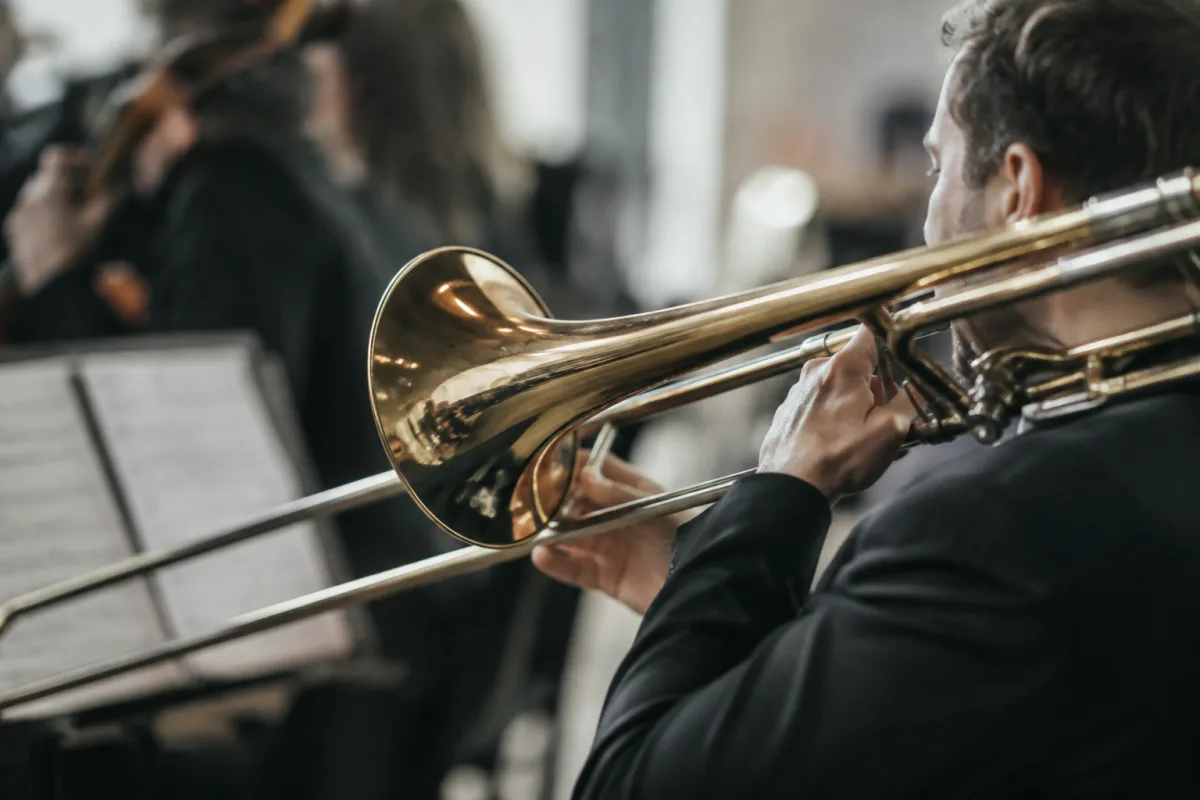
Choosing a trombone is as much about understanding what you can actually play as it is about build quality. The range of a trombone—how high and low you can go—matters for the music you want to play and the skill level you're at. This guide tells you what to check when buying a trombone.
Trombone Types and Their Ranges
There are three main trombone types, each with a different range and role in ensemble music.
Tenor trombone: The most common student and performance instrument. Range from E1 to F4 naturally, extendable higher with proper technique. This is what most people think of when they think "trombone." If you're a beginner or most intermediate players, a tenor is correct.
Bass trombone: Larger, deeper, ranges lower (down to B0 naturally). Used in orchestras, big bands, and specialized chamber music. Not a first trombone for most people; this is specialised.
Alto trombone: Smaller, higher range than tenor (ranges from G2 upwards). Less common in modern playing but used in classical orchestras and early music. Specialized rather than general-purpose.
For a first trombone, tenor is almost certainly the right choice. That's where the music is, and that's where you'll develop your skills.
Register and Playability: Beyond Just "Range"
Range on paper (lowest note to highest note) is only part of the story. Playability in different registers matters.
Low register (pedal tones and below staff) requires embouchure strength and technique. A beginner shouldn't expect to access these easily. Intermediate players can usually get down to a low B or A.
Mid register (treble clef to middle staff) is where most playing happens. This is where a trombone should be most comfortable and responsive.
High register (above treble staff) requires strength and precision. A well-made trombone will access these notes with good technique, but overextending into extremely high range is possible but not musically useful.
When you're buying, test the trombone in the mid-register range. That's where you'll actually play most of the time. Make sure it feels good there before worrying about extreme high or low capabilities.
Bore Size: The Practical Consideration
Trombone bore size (the diameter of the tubing) affects how the instrument responds and what range feels natural.
Small bore (0.480–0.500 inches): Lighter, easier to articulate, more nimble in fast passages. Common for jazz and commercial music. Good for younger players or those with less embouchure strength.
Medium bore (0.510–0.525 inches): Balanced between small and large. Versatile for most playing. Orchestral and educational standard.
Large bore (0.535+ inches): Deeper sound, requires more embouchure strength, excellent low register. Classical orchestras and specialists prefer this.
For a beginner, medium bore is sensible. You're not yet strong enough to handle a large bore comfortably, and you want versatility rather than specialising toward jazz or classical yet.
Slide Options: Single vs. Double Valve
Basic tenor trombones have a regular slide and no valves. You use slide positions to change pitch. This is perfectly adequate and standard.
Some tenor trombones add a valve attachment that adds tubing length, lowering the pitch. This extends the range downward and makes some positions easier to access. It's useful for advanced players and those who need low B or A regularly.
For a first trombone, skip the valve. It's an additional £500+ and you don't need it yet. Learn on an instrument without it, and if you later decide you need the extended lower range, upgrade then.
New vs. Used: The Trombone Market
Used trombones are common and often excellent value. The instrument is durable, so age alone doesn't determine quality.
Check the slide for dents or damage (a slide that doesn't seal causes loss of tone). Listen for cracks in the bell (rare but serious). Test all positions to make sure the slide moves smoothly without sticking.
A used student trombone from ten years ago for £200–400 is often better value than a new budget trombone at the same price. The older instrument was built better.
New trombones come with warranty and the confidence that everything is original and functional. New is safer if you're nervous about buying used.
Price Tiers and What You Actually Get
Budget (£200–400): Student instruments, often Taiwanese manufacture. They work and sound acceptable. Expect to replace valve pads and slides more often. Good for learning.
Mid-range (£400–800): Professional student instruments or semi-professional models. Better build, better tone, more durable. This tier is best value. Orchestras and universities use these.
Professional (£800–1500): High-grade instruments with refined tone and superior build. Used by professional orchestras and soloists. Overkill for beginners but excellent for committed intermediate players.
Handmade/Boutique (£1500+): Master builders, specialised configurations. For professionals with specific needs and budgets to match.
Specs That Actually Matter
Bore size: Medium (0.510–0.525") is standard and versatile. Check it against your strength and the music style you're interested in.
Bell material and size: Most are brass. Larger bells (8"+) produce more resonant tone; smaller bells (7.5") are sharper. For beginners, the default is fine.
Slide material: Nickel-silver is standard and durable. Stainless steel or chrome are also good. Inner slides need to be smooth and seal well.
Valve option: Skip it for your first trombone. Add later if needed.
Common Buying Mistakes
Mistake one: overspending on a first instrument. You don't need a £1000 trombone to learn. A £300–500 mid-range instrument will teach you just as much and feel just as good.
Mistake two: choosing a trombone only by lowest note. That's not how you play. Test it in the range where you'll actually spend 90% of your playing time. Range extremes don't matter if the mid-register feels bad.
Mistake three: ignoring slide condition in used instruments. A damaged slide is expensive to fix. Inspect carefully before buying.
Mistake four: assuming bigger/larger bore = better. Larger bore requires more embouchure strength. A beginner forced onto a large-bore trombone will struggle and get discouraged. Match the instrument to your current abilities.
Testing a Trombone Before You Buy
If possible, play it yourself for 10 minutes. Play in the middle range (staff notes). Listen for even response across all positions. Check that the slide moves smoothly and smoothly and the tone doesn't crack or die out.
If you can't play yet (complete beginner), have the shop demonstrate. Listen to the tone and response. Ask the shop assistant about the instrument's reputation. Buy from a shop with a good return policy.
Conclusion
Buying a trombone is about understanding the type you need (tenor for almost everyone), testing it in the range you'll actually play (mid-register matters most), and choosing a price tier appropriate to your commitment level. Tenor trombones in the £400–800 range are best value—professional-quality instruments at student prices. Skip fancy options like valve attachments on your first trombone; you don't need them yet. New is safer if you're uncertain; used trombones are excellent value if you know what to inspect. Test the slide, listen to the tone, and trust that an instrument that feels good to play is the right one. With a decent trombone and decent practice, you'll sound good within weeks.



Comments