


Trombone Mouthpiece Buying guide
Trombone Mouthpiece: A Complete Buyer's Guide
Selecting the right trombone mouthpiece transforms your playing experience and tone quality. This guide helps you navigate essential specifications and make confident choices.
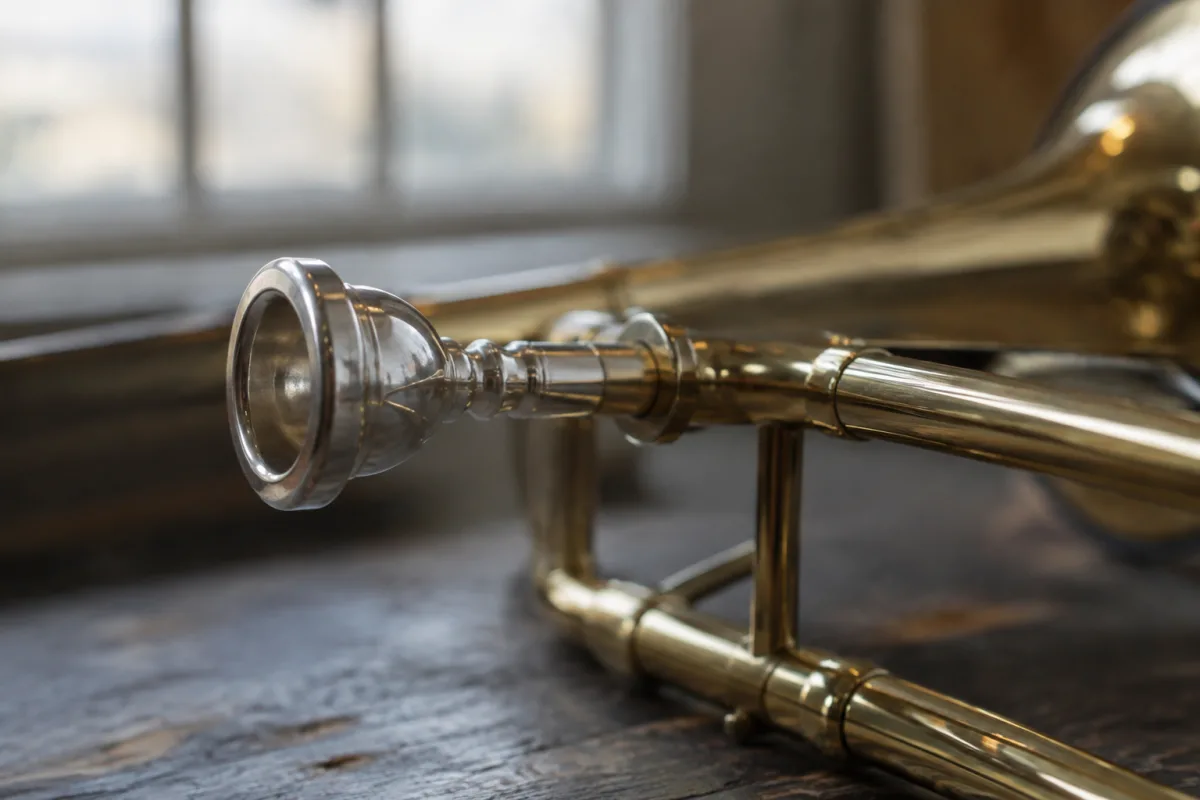
Selecting the right trombone mouthpiece fundamentally transforms your playing experience. Your trombone mouthpiece affects tone quality, response characteristics, and endurance. A poorly-chosen trombone mouthpiece creates frustration and fatigue; an optimal trombone mouthpiece enables expressive, comfortable performance. This guide walks you through essential trombone mouthpiece considerations, helping you select an instrument component that supports your musical goals.
Understanding Trombone Mouthpiece Anatomy and Specifications
A trombone mouthpiece comprises several critical dimensions defining how the instrument responds to your embouchure. The cup depth determines tonal colour and response characteristics. Shallow trombone mouthpiece cups produce bright, focused tone suitable for high-register playing and lead work. Deep trombone mouthpiece cups deliver warm, mellow tone preferred for jazz and classical playing. Your trombone mouthpiece's cup diameter affects comfort and intonation stability.
The bore size significantly influences airflow and resistance. Larger-bore trombone mouthpieces demand more air support but reward with fuller tone. Smaller-bore trombone mouthpieces require less air, enabling easier response but sacrificing volume and projection. The rim shape of your trombone mouthpiece affects comfort during extended playing—rounded rims distribute pressure more comfortably than sharp-edged designs.
Key Trombone Mouthpiece Specifications
| Specification | Effect on Performance | Considerations |
|---|---|---|
| Cup Depth | Tonal colour and high register ease | Shallow for bright tone; deep for warm tone |
| Rim Diameter | Comfort and intonation stability | Larger rims diffuse pressure; smaller demand precision |
| Bore Size | Resistance, airflow, tone fullness | Larger bore easier airflow; smaller bore more resistance |
| Backbore | Tone projection and resonance | Various profiles affect overall sound character |
| Rim Shape | Comfort during extended performance | Rounded rims more comfortable for long sessions |
Musical Genre and Trombone Mouthpiece Selection
Jazz trombonists typically prefer larger-bore trombone mouthpieces with deeper cups, enabling the warm, fat tone central to jazz aesthetics. Classical orchestra trombonists often choose medium-bore trombone mouthpieces with moderate cup depth balancing tone quality with technical facility. Lead players and high-register specialists favour smaller-bore, shallower trombone mouthpieces prioritising response and projection over tonal warmth.
Your intended musical application directly influences optimal trombone mouthpiece choice. Evaluate your primary playing context before purchasing; the best trombone mouthpiece for jazz differs substantially from orchestral requirements.
Comfort and Personal Embouchure Considerations
Physical comfort during extended trombone mouthpiece playing is paramount. Test potential mouthpieces for rim comfort—sharp-edged designs create discomfort during long rehearsals. Examine your natural embouchure shape; your trombone mouthpiece rim diameter should approximate your embouchure width. Mismatched trombone mouthpiece sizes force awkward embouchure adjustments creating tension and fatigue.
Some players prefer cushioned trombone mouthpiece rims reducing pressure points. Others value metal-to-metal contact for direct feedback. Test both designs when possible; personal preference varies significantly between players.
Budget Considerations and Value
Quality trombone mouthpieces range from £30–200. Budget options provide adequate functionality for students and casual players. Mid-range trombone mouthpieces (£50–100) offer improved craftsmanship, better materials, and superior response characteristics. Professional-grade trombone mouthpieces (£100+) feature premium construction, refined specifications, and consistent quality supporting demanding professional work.
Investing in quality trombone mouthpieces yields dividends through improved tone, comfort, and response. However, expensive doesn't automatically mean superior; optimal trombone mouthpiece choice depends on personal embouchure characteristics, not price alone.
Compatibility and Shank Sizing
Verify your potential trombone mouthpiece's shank size matches your instrument. Most tenor trombones accept standard-shank mouthpieces, but bass trombones require larger-shank designs. Mismatched trombone mouthpiece shanks either won't fit or require adapters compromising performance. Confirm compatibility before purchasing.
Common Buying Mistakes to Avoid
Purchasing trombone mouthpieces based on brand reputation alone misses personal preferences. What sounds excellent for a professional performer may not suit your embouchure. Always test trombone mouthpieces personally when possible rather than relying on recommendations.
Switching trombone mouthpieces too frequently prevents developing embouchure consistency. Stick with your chosen trombone mouthpiece for several weeks before evaluating performance; embouchure adjustment takes time. Constant switching creates instability.
Overlooking comfort in favour of perceived tonal superiority creates long-term problems. An uncomfortable trombone mouthpiece causes tension and fatigue limiting playing endurance. Choose designs that feel comfortable during extended sessions. Explore our comprehensive trombone mouthpiece reference for detailed technical specifications.
Trial Opportunities and Rental Options
Many music dealers offer trial periods for trombone mouthpieces enabling hands-on evaluation. Take advantage of these opportunities before committing to purchase. Testing in your rehearsal space provides realistic assessment of how trombone mouthpieces affect your playing.
Some players rent trombone mouthpieces temporarily for testing before purchasing. This low-risk evaluation method prevents expensive mistakes when selecting new designs.
Maintenance and Longevity
Quality trombone mouthpieces last indefinitely with minimal maintenance. Clean daily after playing, preventing debris accumulation. Store in protective cases preventing damage. Occasional detailed cleaning maintains optimal performance. Well-maintained trombone mouthpieces remain fully functional throughout your musical career.
Your ideal trombone mouthpiece balances personal embouchure characteristics with musical requirements and budget constraints. Test options whenever possible, prioritising comfort and response that inspire confident, expressive playing. A well-chosen trombone mouthpiece becomes a reliable tool supporting your musical development and artistic expression.



Comments