


Student Trumpet article
Student Trumpet for Beginners: A Complete Guide
Starting trumpet feels intimidating, but the first steps are simpler than you think. Here's what beginners actually need to know to get going confidently.
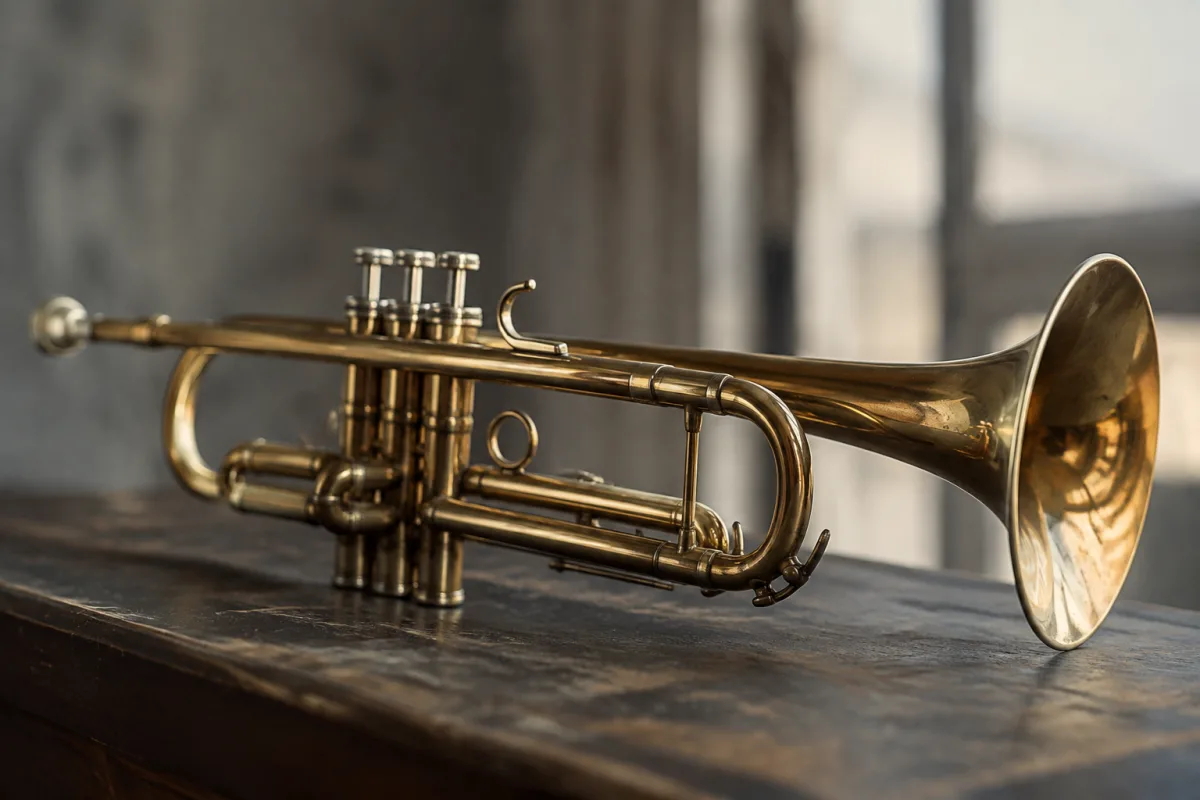
Starting trumpet can feel intimidating. You're holding an unfamiliar brass instrument, your lips have no idea what's being asked of them, and the first sounds you produce will probably horrify you. That's normal. Every trumpet player started here, struggling to find the embouchure and wondering why their trumpet sounds like an angry goose. If you've just got your student trumpet and are feeling uncertain about where to begin, here's what you actually need to know to get started confidently and build a foundation that works.
The First Thing: Assembling Your Student Trumpet
Before you even try to play, spend five minutes with your trumpet's assembly. The three valves should move smoothly—depress each one and listen for a clean click. Check that your mouthpiece sits flush in the receiver (the bit where you attach it). Oil your valves lightly using proper valve oil; dry valves stick and seize. This maintenance habit—five minutes, three times a week—keeps your student trumpet in reliable working order and teaches you respect for the instrument.
Clean your student trumpet after every session. Use a soft cloth to wipe the outside; a pull-through swab inside the bell removes excess moisture. This isn't fussy; it's practical. Moisture damages brass over time, and neglect turns a perfectly good student trumpet into a corroded paperweight. Start this habit from day one and it becomes effortless.
Finding Your Embouchure: The Honest Version
Your embouchure is how your mouth shapes around the mouthpiece and buzzes your lips to create sound. Every trumpet player's embouchure is slightly different, shaped by lip thickness, teeth, and jaw structure. Don't look for a single "correct" way—you're looking for what works for your particular mouth on your particular student trumpet.
Start simple. Place the mouthpiece on your lips (roughly centred) and gently buzz your lips—the same sound a horse makes. That buzzing is your engine. Now add the trumpet (valve all the way down on the first valve to warm up on Bb). Buzz your lips and listen for the note. You might not hear anything clear at first, and that's fine. Play a few notes a day, stop if your lips tire, and come back tomorrow. Embouchure builds over weeks and months, not days. Forcing it only causes pain and bad habits.
Valve Coordination Isn't as Scary as It Looks
Three valves, multiple combinations—beginners look at this and panic. Don't. Start with just the first valve down and play that note repeatedly until it feels natural. Add the second valve. Add the third. Learn which combination makes which note, but don't memorise everything at once. Your fingers and brain will coordinate gradually.
The fundamental notes (open, no valves pressed) are hardest for beginners. These require pure embouchure control with no valve help. Practice these first: the open notes are your foundation. Once you can play open notes consistently, the valve combinations become infinitely easier because you're adding valve technique to embouchure you've already begun to develop.
Breath Support: The Foundation of Good Tone
Playing trumpet demands proper breathing—not the shallow breathing you do during conversation, but deep diaphragmatic breathing. Breathe in through your mouth before you play, taking air into your abdomen rather than your chest. Feel your belly expand, not your chest puff up. You should feel breath support behind every note you play.
Without proper breath support, your student trumpet sounds pinched and requires constant embouchure tension to maintain. With breath support, playing becomes easier and tone improves dramatically. Spend the first weeks simply working on breathing correctly with your trumpet. You'll feel the difference immediately.
Mouthpiece Buzzing Exercises Are Your Secret Weapon
The most useful beginner exercise doesn't involve your trumpet at all—it's buzzing your mouthpiece. Hold your mouthpiece against your lips and buzz continuously whilst changing pitch. This trains embouchure control, lip flexibility, and breath coordination without the instrument's complexity. Five minutes of mouthpiece buzzing daily accelerates learning faster than hours of awkward full-trumpet practice.
Play long tones on your student trumpet too. Pick a note you can produce consistently and hold it for a full breath, aiming for steady tone with no wavering. Long tones teach breath control, embouchure stability, and help you hear whether your tone is improving. They're boring, but they work.
The Hardest Thing: Staying Patient With Yourself
Week one with a student trumpet is discouraging. Week three is still discouraging. You might want to quit. Everyone feels this. But somewhere around week four or five, your embouchure starts finding consistency. By week eight, you'll play recognisable melodies. By three months, you'll have genuine control. The frustration is temporary; the skill builds gradually and reliably if you stay patient.
Commit to fifteen-twenty minutes of practice daily rather than chaotic hour-long sessions twice a week. Daily consistency builds embouchure faster and prevents the setback that comes from rust when you take breaks. Your mouth is learning a new skill; consistent gentle repetition beats occasional intensity.
Common Beginner Pitfalls and How to Avoid Them
The biggest mistake is pressing the mouthpiece too hard against your lips. This damages lips and makes playing painful. The mouthpiece should rest on your lips with just enough weight to seal; you're not trying to drill it into your face. Light contact, firm embouchure—those are different things.
Tensing your jaw whilst playing is another common trap. Your jaw should be relaxed; all the control comes from your embouchure and breath support. If you find yourself clenching, stop, shake out your jaw, and resume. Tension prevents high notes and causes fatigue.
Playing too loudly before you've built embouchure control frustrates progress. Loud playing requires solid technique. Start soft, focus on tone quality, and volume comes naturally as you develop. Fighting to play loud before you're ready just trains bad habits.
When to Ask for Help
A good beginner needs periodic check-ins with a teacher—even if it's just one lesson a month. Teachers catch problems early: embouchure imbalances, breath issues, poor valve technique. Left uncorrected, these become habits that take months to unlearn. A single lesson often clarifies something that would take weeks of solo practice to figure out.
It's also worth joining a beginner band or ensemble even if you're nervous. Hearing other trumpets, feeling the support of an ensemble, and learning simple pieces together makes learning fun and keeps you motivated. Practising alone in your bedroom works, but practising with others accelerates progress and builds confidence.
Moving Forward With Your Student Trumpet
You're starting a journey that thousands of musicians have taken. Your first month will be clumsy and frustrating. By month three, you'll surprise yourself with progress. By six months, you'll sound genuinely good to most listeners. By a year, you'll wonder why you ever doubted yourself. Stay consistent, stay patient, and trust the process. Your student trumpet is a worthy instrument—it sounds as good as you play it. For deeper context on student trumpets, their types, and technique development, read our complete guide to student trumpets.


Comments