


Mouthpiece Brush article
Mouthpiece Brush for Beginners: A Complete Guide
Proper mouthpiece cleaning extends your instrument's life and maintains tone quality. Learn to choose the right mouthpiece brush, use it safely, and establish maintenance habits.
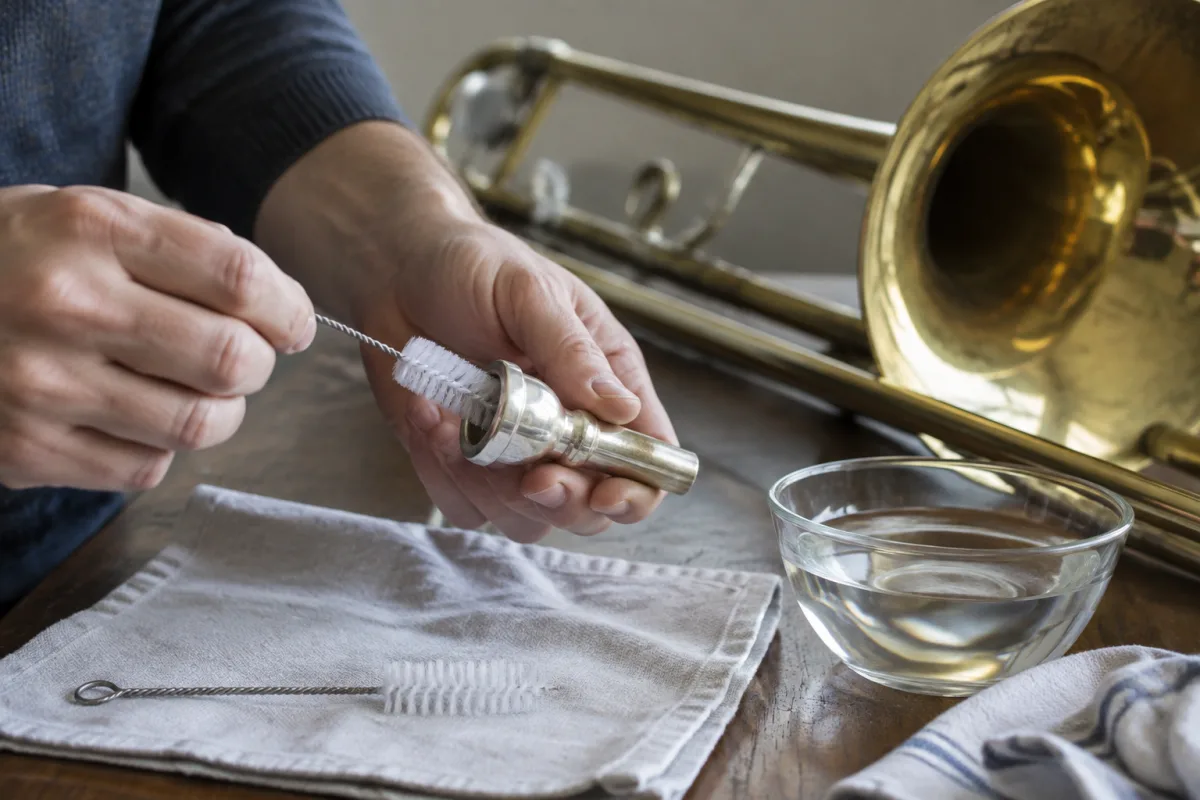
If you play brass instruments—trumpet, trombone, French horn, tuba—you'll quickly discover that your mouthpiece deserves dedicated cleaning beyond water rinsing. Mouthpiece buildup creates problems from altered tone to corrosion to hygiene concerns. A good mouthpiece brush removes debris that water alone won't shift, extending your mouthpiece's life and keeping your instrument sounding its best. For beginners, finding the right mouthpiece brush, understanding how to use it without damage, and establishing good cleaning habits feels unnecessarily complex. This guide walks you through everything clearly, removing the confusion.
Why Mouthpiece Cleaning Matters More Than You'd Think
Mouthpieces accumulate saliva residue, valve oil, dust, and debris during play. Left uncleaned, this buildup oxidises, corrodes the mouthpiece interior, and alters the instrument's response. Regular cleaning prevents corrosion, maintains consistent tone production, and eliminates hygiene concerns. A mouthpiece brush does in seconds what would take half an hour with ineffective methods, so it's an investment that saves time and money simultaneously.
Understanding Mouthpiece Brush Types
Mouthpiece brushes come in several designs. Wire brushes use bristles surrounding a centre wire core—excellent for removing stubborn buildup and corrosion. Brass wire brushes are specifically designed for brass instruments and slightly gentler on delicate interiors. Nylon brushes are softer and suitable for gentler cleaning. Flexible brushes on long handles fit deep into the mouthpiece. Each has advantages depending on your mouthpiece type and buildup severity.
Common Beginner Mistakes to Avoid
Learning proper mouthpiece brush technique prevents damage to valuable equipment.
Using excessive force: Mouthpiece interiors are delicate. Scrubbing aggressively can scratch the interior finish and damage the precise bore. Use gentle, controlled movements; let the brush do the work.
Ignoring bore protection: Never force a mouthpiece brush larger than your bore size into the mouthpiece. This causes scratches and damages internal contours affecting tone.
Skipping water first: Always rinse the mouthpiece with water before using a mouthpiece brush. Dry brushing removes less buildup and is harsher on the surface.
Using wrong brush materials: Avoid harsh wire brushes on delicate mouthpieces. Use appropriate brush types for your instrument. Asking your teacher or instrument manufacturer what's safe is never wrong.
Neglecting handle grip: Beginners often hold mouthpiece brushes too tightly, applying unnecessary pressure. Grip gently and let the brush rotate freely.
Choosing Your First Mouthpiece Brush
Your first mouthpiece brush should be simple and forgiving. Most music shops sell basic mouthpiece brushes for £5-10 designed specifically for your instrument type. Confirm you're buying for the right instrument—a trumpet mouthpiece brush won't necessarily fit a trombone mouthpiece properly.
Ask your teacher or the shop staff which brush is appropriate for your specific mouthpiece. Telling them your instrument and mouthpiece size helps ensure you get something that actually fits and works properly.
Understanding Mouthpiece Bore Sizes
Mouthpiece bores vary. Trumpet mouthpieces are typically 8-14mm diameter. Trombone mouthpieces range 10-20mm. French horn mouthpieces are small (6-8mm). A mouthpiece brush must fit your specific bore size without forcing. Using the wrong size is ineffective and potentially damaging.
Most mouthpiece brushes are sized for specific instrument families. Confirm the label specifies your instrument and that the sizing matches your mouthpiece. When in doubt, ask a teacher or experienced player.
Proper Mouthpiece Brush Technique
Learning proper technique ensures you clean effectively without damage. First, rinse your mouthpiece thoroughly with warm water, removing loose debris. Insert the mouthpiece brush gently, rotating it slowly rather than scrubbing back and forth. The rotating motion combined with light pressure cleans effectively.
Rotate the brush 10-15 times, then withdraw and inspect. Repeat if needed. Never force the brush or apply heavy downward pressure. After brushing, rinse again with water and dry thoroughly with a cloth. The entire process takes two minutes.
Cleaning Frequency and Maintenance Habits
How often should you clean your mouthpiece? Ideally after every playing session, realistically twice weekly for regular practice. This prevents heavy buildup requiring aggressive cleaning. A weekly mouthpiece brush session maintains a clean mouthpiece indefinitely.
Establish a habit: after removing your instrument from your mouth, quickly rinse the mouthpiece with water. Use the mouthpiece brush once or twice weekly as part of your maintenance routine. This takes minimal time and prevents problems accumulating.
Caring for Your Mouthpiece Brush
Mouthpiece brushes need minimal maintenance. Rinse with warm water after each use, removing debris. Store dry in a case or container where the bristles won't be bent. A bent mouthpiece brush won't fit your mouthpiece properly and is less effective.
Mouthpiece brushes last years with basic care. Replace if bristles become bent, broken, or worn flat. A functioning brush cost so little that replacement is simple and inexpensive when needed.
Beyond Basic Maintenance: Deep Cleaning
Occasional deep cleaning removes stubborn oxidation your regular brush cleaning doesn't address. Professional cleaners use specialised solutions and techniques. For beginners, regular brush cleaning prevents the need for professional cleaning. As you progress, you might explore deeper cleaning methods, but this isn't necessary as a beginner.
What Improves Over Time
You'll improve at mouthpiece brushing as you develop feel and technique. Beginners often feel they're scrubbing wrong or not cleaning effectively. Most likely, you're cleaning fine—it just feels less satisfying than vigorous scrubbing. That gentle rotating technique? That's correct. Trust the process and focus on frequency over intensity.
For comprehensive information about mouthpiece care, maintenance techniques, and advanced cleaning methods, our complete mouthpiece brush guide covers everything from basic care to professional-level cleaning and maintenance.
Getting Started with Your Mouthpiece Brush
Buy a simple mouthpiece brush designed for your specific instrument. Rinse your mouthpiece with water. Insert the brush gently, rotate slowly 10-15 times, and withdraw. Rinse again and dry. Repeat once or twice weekly. That's genuinely all you need. Mouthpiece cleaning is straightforward once you have the right tool and understand basic technique. Your mouthpiece will thank you, your tone will be cleaner, and your instrument will last longer.


Comments