
Brass Euphonium article
The Complete Guide to Brass Euphonium
The euphonium is a warm, expressive brass instrument central to brass band music. Learn about this often-overlooked instrument's characteristics, technique and why musicians worldwide consider it irreplaceable.
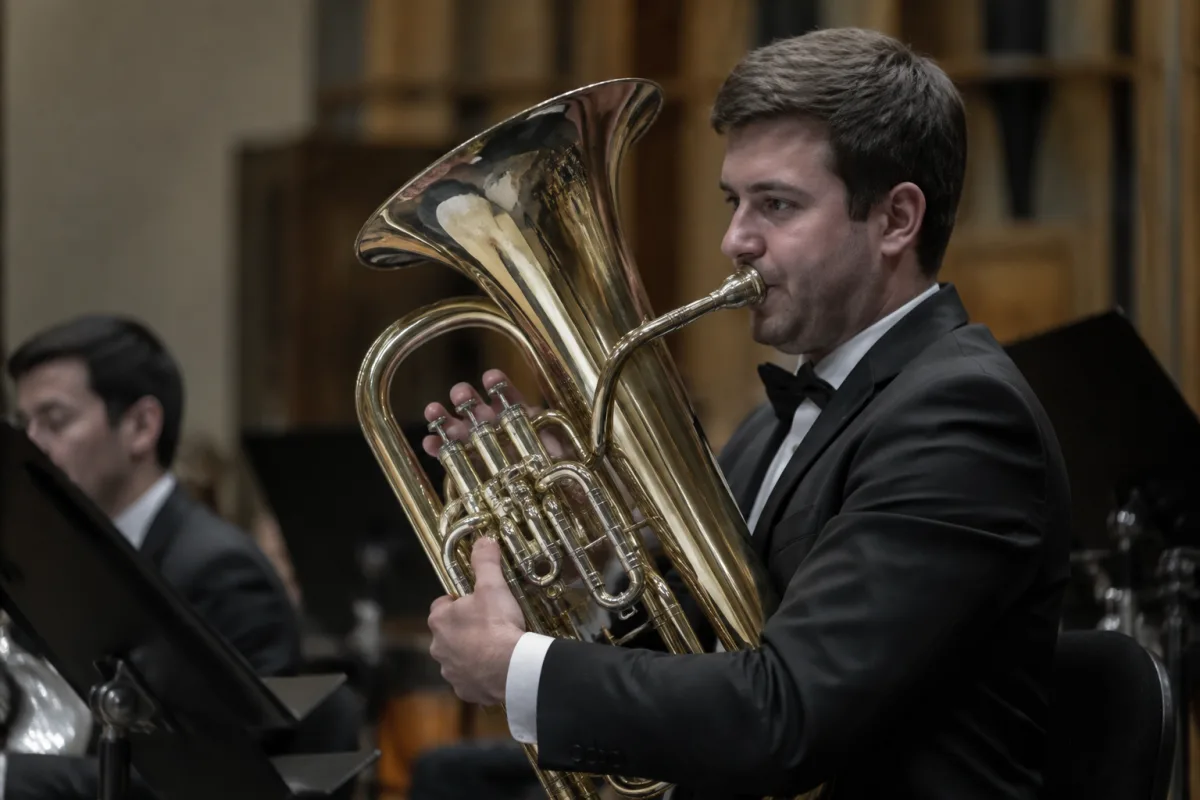
The Brass Euphonium: A Comprehensive Guide to the Overlooked Instrument
The euphonium occupies a unique position in brass music—it's simultaneously central to band literature and surprisingly overlooked in popular conversation. This conical brass instrument delivers warm, mellow tones capable of remarkable expressiveness, making it ideal for both solo work and ensemble playing. Whether you're a curious musician exploring new instruments, a parent considering band options for your child or a euphonium player seeking deeper understanding of your instrument, this guide explores the instrument's characteristics, playing techniques and role across diverse musical contexts. The euphonium's warm, human quality makes it one of brass music's most rewarding instruments to master.
What Is a Brass Euphonium?
The euphonium is a four-valve brass instrument positioned between the trumpet and tuba in terms of pitch range and size. Featuring a conical bore—the tube gradually widens from mouthpiece to bell—it produces a warm, mellow sound distinctly different from cylindrical-bore instruments. The four valves control tuning and pitch, allowing players to access the full chromatic range. This four-valve configuration distinguishes the euphonium from three-valve cornets or trumpets, though the extra valve occasionally causes confusion among beginners.
The instrument exists in two primary configurations. A compensating euphonium features additional tubing activated by the fourth valve, improving intonation when the fourth valve combines with other valves. Non-compensating models are simpler but require greater player skill to maintain consistent intonation. Most student and professional euphoniums today feature compensating systems.
Historical Development of the Euphonium
Originating in the 1840s, the euphonium evolved from earlier valved brass instruments as military bands and concert ensembles sought instruments capable of sustained melodic playing with tonal warmth. Unlike the brash trumpet or mellow tuba, the euphonium offered perfect middle ground—powerful enough for brass band work yet warm enough for solo expression. By the late 1800s, euphonium had become standard in brass bands, concert bands and military ensembles across Europe and eventually worldwide.
The instrument's development particularly flourished in British brass band traditions, where it became integral to standard band arrangements. This heritage continues today; British brass bands remain the foremost venue for serious euphonium performance and solo work.
Euphonium Construction and Materials
Quality euphoniums are crafted from brass—an alloy of copper and zinc—chosen for its acoustic properties and durability. Professional instruments use yellow brass or rose brass; entry-level models sometimes use less expensive alternatives. The bell (the flared end) typically measures 4–5 inches in diameter. Larger bells produce darker, warmer tones; smaller bells sound brighter and more cutting. Top-quality euphoniums feature hand-crafted bells and precision-bored valve tubing; budget models use machine manufacturing producing adequate but characterless sound.
Playing the Euphonium: Technique and Sound Production
Euphonium playing requires proper embouchure—the mouth position and muscular tension controlling tone quality and pitch. The instrument responds to subtle embouchure changes, rewarding refined technique with expressive, musical sound. Unlike the trumpet's bright attack, euphonium tone develops gradually, requiring patience and controlled air support. Beginners often produce breathy, unfocused tones; proper technique training develops the core, focused sound the instrument is capable of producing.
Dynamic control distinguishes accomplished players. The instrument excels in slow, expressive passages where subtle volume and tonal colour variations create musical depth. Rapid passages are certainly possible but require significant technical facility. This tonal focus makes the euphonium particularly valuable for solo ballads, hymn arrangements and lyrical band passages.
The Euphonium in Ensemble Settings
Different musical contexts employ the euphonium differently:
- Brass Bands: Two or more euphoniums form the core melodic line, carrying primary harmonic and melodic responsibility. The euphonium section is crucial to brass band sound.
- Concert Bands: Often features a single euphonium in supporting roles, though solos appear in many contemporary band arrangements.
- Wind Orchestras: Similar to concert bands but with additional woodwind and percussion elements.
- Chamber Music: Euphonium appears in mixed brass ensembles and occasionally in unusual chamber combinations exploring contemporary music.
- Jazz: Less common than other brass instruments but emerging in progressive jazz exploring extended instrumental palettes.
Comparing Euphonium Types
| Type | Bore | Valve System | Tone Character | Best For |
|---|---|---|---|---|
| Student | Standard | Non-compensating | Adequate, slightly thin | Band students, beginning players |
| Intermediate | Wider | Compensating | Warm, focused | Dedicated students, semi-professionals |
| Professional | Large Conical | Compensating | Rich, expressive, full | Professional soloists, touring musicians |
| Baroque/Historic | Varies | Historically accurate | Authentic period sound | Historical performance, specialist players |
Selecting Your First Euphonium
Beginners should avoid ultra-budget instruments—poor intonation and unresponsive valves frustrate learning and discourage continued study. Mid-range student euphoniums (£300–600) from established manufacturers offer decent playability and tonal quality. As skills develop, upgrading to compensating systems (£700–1200) provides intonation stability and tonal options. Professional instruments (£1500+) reward advanced technique with exceptional responsiveness and tonal control.
Euphonium Maintenance and Care
Regular maintenance preserves instrument quality and playability. Oil valves every few days during active playing; clean the instrument monthly using a cleaning rod and soft cloth. Store the euphonium in a protective case away from temperature extremes. Have the instrument professionally serviced annually, particularly checking valve alignment and seal integrity. With proper care, quality euphoniums last decades, becoming cherished instruments that improve with age.
Bottom Line
The euphonium represents one of music's most rewarding instruments—its warm tones, expressive capabilities and essential role in ensemble work make it irreplaceable in brass band and wind music contexts. Whether you play in a competitive brass band, school concert band or explore the instrument's emerging jazz and chamber music roles, the euphonium offers artistic fulfillment and genuine musicality. The instrument's overlooked status in popular consciousness masks its profound importance to serious musicians. For those drawn to warm, lyrical sound and genuine musical expression, the euphonium delivers satisfaction in spades.


Comments