
Types of Brass Horns article
The Complete Guide to Types Of Brass Horns
Types of brass horns range from brilliant trumpets to warm French horns and powerful tubas. Each plays distinct roles in orchestras and musical ensembles.
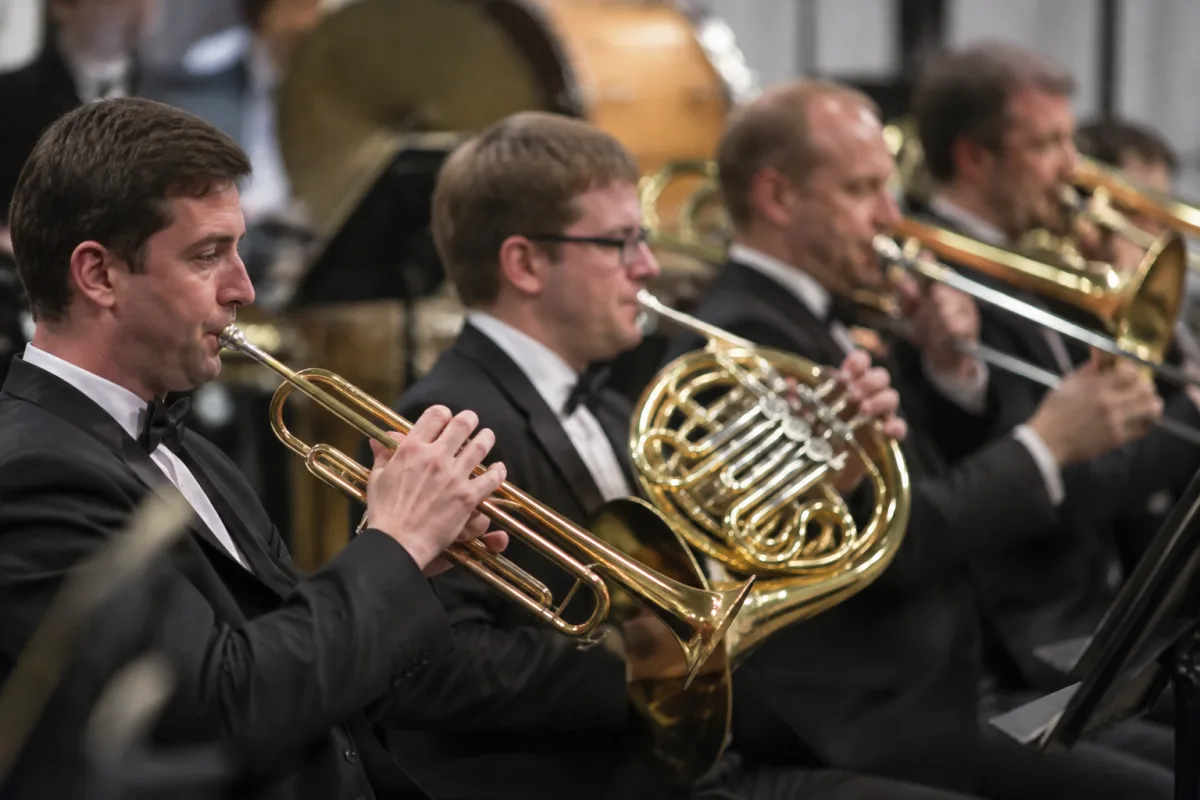
The types of brass horns represent centuries of orchestral evolution and musical expression. From the bright brilliance of trumpets to the warm, mellow voice of French horns, each type of brass horn serves distinct musical purposes and demands different techniques. Understanding the characteristics, repertoire and unique challenges of various types of brass horns helps musicians and enthusiasts appreciate these magnificent instruments.
Understanding Brass Horn Families
Types of brass horns are categorised by bore shape, tubing length and register. Cylindrical bores (found in trumpets and trombones) produce bright, cutting tones; conical bores (found in French horns and cornets) generate warmer, mellow sounds. The total length of tubing determines fundamental pitch — longer instruments play lower notes. These physical characteristics define how each type of brass horn sounds and responds to the player's technique.
Most types of brass horns operate via three or four valves (pistons or rotary) that divert air through additional tubing, lowering pitch. Trombones employ a different approach — sliding the inner tube to change pitch. Understanding these mechanical differences illuminates why each type of brass horn behaves distinctly from the player's perspective.
The Trumpet
The trumpet represents the most brilliant and cutting type of brass horn. With a relatively small bore and cylindrical tubing, trumpets project piercing tone that carries in orchestras despite competition from larger instruments. Types of brass horns in the trumpet family include the Bb trumpet (most common), C trumpet (used in classical contexts), and D/Eb trumpet (for high Baroque music). Professional trumpets cost £500–2000; professional-grade types of brass horns at higher price points feature hand-hammered bells and premium materials.
Trumpet repertoire spans from solo concertos to orchestral parts and jazz improvisation. The types of brass horns used vary by context — orchestral trumpet players favour C or Bb instruments depending on repertoire demands, whilst jazz musicians almost exclusively use Bb trumpets for their flexibility and familiarity.
French Horn
The French horn represents perhaps the most elegant type of brass horn. With its conical bore and distinctively mellow tone, French horns blend beautifully within orchestras and chamber ensembles. Modern French horns feature four valves (compared to older three-valve designs), improving intonation and playability. Types of brass horns in the French horn family include single and double French horns — double horns combine Bb and F bore instruments, offering versatility at the cost of increased complexity.
French horn ranks among the most challenging types of brass horns to play. The narrow margin for tuning accuracy and complex fingering patterns demand exceptional technical development. Professional types of brass horns at this level represent significant investments (£2000–5000+) that professional musicians accumulate gradually throughout their careers.
The Trombone
Trombones represent the largest and lowest-sounding type of brass horn commonly found in orchestras. Rather than valves, trombones employ a slide mechanism — extending the slide increases tuning length and lowers pitch. Types of brass horns in the trombone family include tenor (most common), bass (lower register), and valve trombones (rare, combining valve and slide operation). The types of brass horns used in specific contexts determine ensemble balance — orchestral sections typically require one tenor trombone, one bass trombone and one valve trombone.
Trombones occupy unique orchestral roles — sometimes blending with the French horn section, sometimes anchoring the low brass alongside tuba. The warm, singing quality of trombone tone distinguishes it among types of brass horns.
The Tuba
Tuba stands as the lowest type of brass horn, providing the foundation for brass sections and orchestras. The enormous bore and conical shape produce deep, resonant tone that projects powerfully despite low frequencies. Types of brass horns in the tuba family include Bb tuba (most common), C tuba, F tuba, and Cch tuba (rare specialist instrument). Professional tubas rank among the most expensive types of brass horns, often costing £3000–8000 or more.
Tuba players face unique challenges among types of brass horns — their instruments' massive size requires significant physical strength and breath capacity. The relatively limited solo repertoire compared to other types of brass horns means tuba players develop deep expertise in specific roles rather than versatile generalist approaches.
Lesser-Known Types of Brass Horns
Cornet
Cornets represent a hybrid type of brass horn — similar to trumpets in size and register but with a conical bore producing warmer tone. Rare in orchestras, cornets excel in solo contexts and brass band settings. Types of brass horns in the cornet family include Bb and C versions.
Flugelhorn
Flugelhorns are warm, mellow types of brass horns with a cone shape and bore larger than trumpets. Less common than trumpets in orchestras, flugelhorns thrive in jazz contexts where their mellowness suits softer, more lyrical approaches.
Baritone
Baritone horns represent an intermediate type of brass horn between trombone and tuba, offering a register between tenor trombone and bass trombone. Primarily used in brass bands rather than orchestras, baritones occupy a distinct voice in their specific ensembles.
Choosing a Type of Brass Horn
Beginning students typically start with trumpet or trombone — the most approachable types of brass horns for learners. Budget student-grade types of brass horns cost £150–400; these offer adequate construction quality for learning basics before upgrading to professional models. Intermediate-grade types of brass horns (£400–1500) serve serious students and semi-professional players admirably. Professional-grade types of brass horns exceed £1500, featuring superior materials, hand-craftsmanship and sonic qualities.
Musical context determines which type of brass horn suits your needs. Orchestral aspirants require instruments matching professional ensemble standards. Jazz players need flexible types of brass horns responsive to improvisation demands. Brass band musicians require specific types of brass horns calibrated for ensemble balance.
The Bottom Line
Types of brass horns each occupy distinct musical roles within orchestras, chamber ensembles, jazz groups and solo contexts. The trumpet's brilliance, French horn's elegance, trombone's warmth and tuba's powerful foundation together create the magnificent sound that defines brass ensemble music. Explore various types of brass horns through listening and trial, select one matching your musical interests, and embrace the rewarding journey of mastering one of these magnificent instruments.



Comments