
List of Brass Horns article
The Complete Guide to List Of Brass Horns
This comprehensive list of brass horns covers every major instrument in the brass family, from high-register trumpets to deep-voiced tubas. Understand the characteristics and roles of each brass horn.
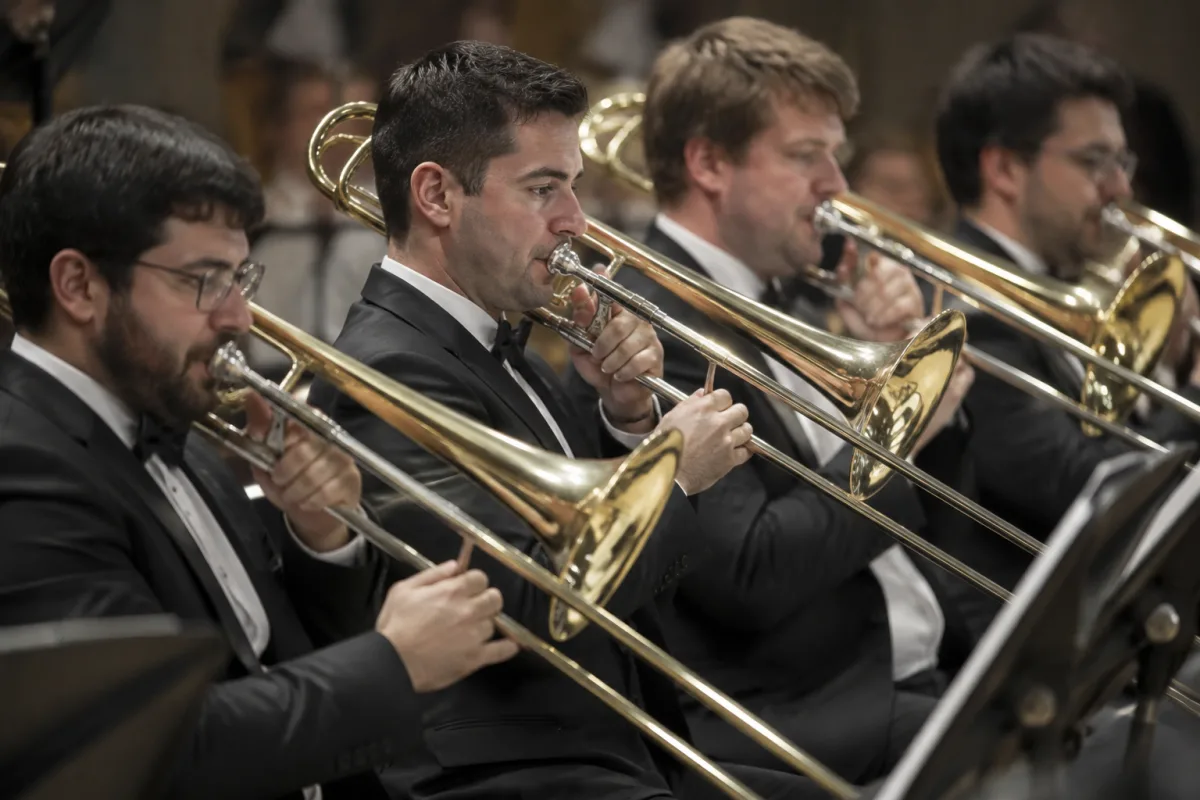
Brass horns represent a significant family of wind instruments that have been central to orchestral music, jazz ensembles and marching bands for centuries. Understanding the different types of brass horns available helps musicians choose their first instrument, composers select appropriate sounds for their arrangements and enthusiasts appreciate the rich history and diversity of brass music. From the brilliant trumpet to the mellow trombone, each brass horn in this comprehensive list of brass horns offers unique tonal characteristics and playing techniques.
What Are Brass Horns?
Brass horns are wind instruments made of brass tubing that produce sound through vibrations of the player's lips in a mouthpiece. The fundamental difference between various brass horns lies in their bore size, tubing length and configuration—factors that determine pitch range, tone colour and playing characteristics. A list of brass horns encompasses high-pitched instruments like trumpets through to low-pitched instruments like tubas, each occupying an essential role in ensemble playing.
High Brass Horns
The highest-pitched members of any list of brass horns bring brilliant cutting tones and expressive solo capabilities. These high brass horns project well in large ensembles and often carry melodies in orchestral and jazz contexts.
Trumpet
The trumpet is perhaps the most recognisable instrument on any list of brass horns. With its bright, penetrating sound and three valves, the trumpet is versatile enough for classical orchestras, jazz ensembles and everything in between. The B-flat trumpet is standard in most musical contexts, whilst C trumpets and higher-pitched piccolo trumpets also appear on comprehensive lists of brass horns.
Cornet
Often appearing alongside trumpets on lists of brass horns, the cornet features a more conical bore that produces a warmer, mellower tone than its trumpet cousin. The cornet excels in brass band contexts and solo work, where its rounded character shines. Understanding the difference between cornets and trumpets on a list of brass horns matters when selecting your primary instrument.
Mid-Range Brass Horns
The middle register of any list of brass horns contains versatile instruments that bridge high and low voices. These mid-range brass horns are essential voices in ensemble playing and offer rewarding solo possibilities.
French Horn
The French horn occupies a unique position on lists of brass horns with its warm, mellow tone and hand-stopping technique. Despite being in the brass family, the French horn sounds quite different from trumpets and trombones. Its four or five valves and complex fingering system make it one of the more challenging instruments on any list of brass horns to master.
Flugelhorn
A gentler alternative to the trumpet, the flugelhorn appears on lists of brass horns as a favourite for soloists seeking warmth and expressiveness. Its wider bore produces a darker, more lyrical sound. Jazz musicians in particular favour the flugelhorn for its singing quality, making it an important entry on lists of brass horns used in modern music.
Lower Brass Horns
The lower register of any list of brass horns provides foundational support and substantial tonal weight. These large brass horns anchor ensemble sonorities and deliver impressive solo performances.
Trombone
With its distinctive slide mechanism instead of valves, the trombone represents a different playing approach on lists of brass horns. The trombone's versatility across jazz, classical and popular music makes it an enduring favourite. Tenor and bass trombones complete the trombone family within comprehensive lists of brass horns.
Baritone Horn
Occupying the lower-mid range on lists of brass horns, the baritone horn (sometimes called euphonium in different contexts) delivers a warm, singing tone. Its three or four valves make it approachable for developing musicians, placing it frequently on lists of brass horns recommended for younger students.
Tuba
The lowest-pitched instrument on any list of brass horns, the tuba provides the foundational bass voice for orchestras and bands. Available in CC, BB-flat and other configurations, the tuba's massive size and deep resonance make it unmistakable. Understanding tuba variants matters when exploring complete lists of brass horns.
Specialised Brass Horns
Beyond the standard ensemble roster, specialized lists of brass horns include instruments designed for specific musical contexts or rare situations.
Piccolo Trumpet
For extremely high register needs, the piccolo trumpet appears on advanced lists of brass horns. Pitched an octave above the standard B-flat trumpet, this small instrument produces brilliant, piercing tones suited to baroque trumpet parts and extreme high passages.
Wagner Tuba
An unusual entry on lists of brass horns, the Wagner tuba bridges French horn and trombone characteristics. This specialized instrument appears primarily in orchestral contexts and relatively advanced musical repertoire, making it less common than other brass horns.
Sousaphone
A marching variant of the tuba, the sousaphone appears on lists of brass horns used specifically for marching bands and outdoor performances. Its distinctive circular design wraps around the player's body, making it practical for mobile performances.
Choosing Your First Brass Horn
If you're new to brass instruments, consulting comprehensive lists of brass horns helps identify which instrument matches your interests. The trumpet is most accessible for beginners on lists of brass horns. The French horn suits listeners drawn to mellow warmth. The trombone appeals to those who prefer slide mechanics. Consider tone preference, physical size requirements and musical context when choosing from lists of brass horns.
Historical Development of Brass Horns
Understanding how lists of brass horns evolved illuminates modern instrument design. Ancient lists of brass horns began with natural instruments requiring no valves, followed by the innovation of valves in the early 1800s that revolutionised brass playing. The instruments on modern lists of brass horns reflect centuries of refinement.
Conclusion
This complete list of brass horns demonstrates the remarkable diversity within the brass family. From high-register trumpets to low-pitched tubas, each instrument on this list of brass horns offers distinctive characteristics, unique playing techniques and irreplaceable roles in musical ensembles. Whether you're selecting your first instrument, assembling an ensemble or simply deepening your knowledge of orchestral instruments, exploring this comprehensive list of brass horns reveals the wealth of possibilities available to modern musicians.



Comments