
Brass Music Instruments article
The Complete Guide to Brass Music Instruments
Brass music instruments offer brilliance, warmth, and expressive power—essential to orchestral, jazz, and contemporary ensemble music.
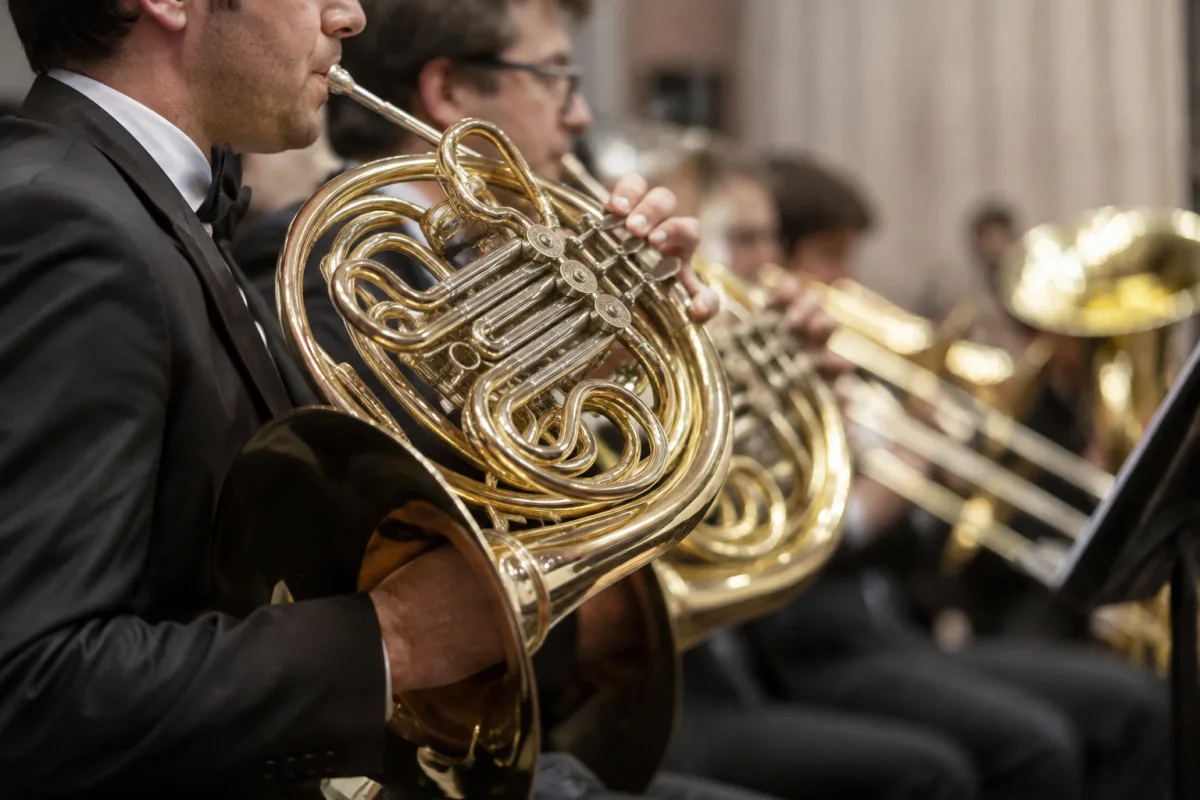
Brass music instruments are among the oldest and most expressive instruments in world music, capable of producing brilliance, warmth, power, or subtle expression depending on the performer's control and technique. Whether you're exploring orchestral tradition, learning jazz performance, or discovering classical concerto repertoire, understanding brass music instruments—their construction, technique, and role in ensemble—enriches your musical appreciation and playing capability. This guide introduces the main brass music instruments, their unique characteristics, and how they function in various musical contexts.
What Are Brass Music Instruments?
Brass music instruments are wind instruments made primarily from brass or other metal tubing, producing sound through the vibration of the player's lips against a metal mouthpiece. The vibrating lips create a buzzing sound—the fundamental frequency—which enters the brass music instruments bore, travels through valves or slides (which change pitch), and exits the bell, amplifying and projecting the sound.
Brass music instruments differ from woodwind instruments (which use single or double reeds to vibrate air) through their self-generating buzz (the lips) and metal construction. This design allows brass music instruments to project extraordinary volume and brilliance without additional reed technology. Brass music instruments have remained fundamental to orchestral, jazz, and contemporary ensemble music for centuries.
The fundamental principle of all brass music instruments is that the player's embouchure (lip tension and position) determines pitch within a natural harmonic series. Valves or slides on brass music instruments lower the fundamental by adding tubing length, enabling chromatic pitch selection across a wide range.
Main Types of Brass Music Instruments
The brass family includes several distinct instruments, each with a unique size, range, and musical character:
- Trumpet: The highest-pitched and brightest brass music instruments, typically in B-flat. Compact, portable, and versatile across orchestral, jazz, and contemporary music. Trumpets can produce both mellow lyrical tone and brilliant cutting power.
- French horn: A mid-range brass music instruments with a warm, mellow tone. Hand-stopping the bell (inserting the hand into the opening) extends its range and allows subtle pitch adjustment. French horns are essential in orchestral writing and challenging for beginners due to their narrow mouthpiece and sensitive intonation.
- Trombone: A lower-pitched brass music instruments using a slide rather than valves to change pitch. Available in tenor, bass, and valve trombone configurations. Trombones offer remarkable glissando and pitch flexibility, essential to jazz improvisation and orchestral music.
- Tuba: The lowest brass music instruments, providing bass foundation in orchestras and ensembles. Tubas require substantial air support and physical strength to play effectively but deliver profound, resonant tone fundamental to ensemble balance.
- Cornet: Similar in range to the trumpet but with a conical bore (widening gradually) rather than a cylindrical bore. Brass music instruments like the cornet produce a warmer, more intimate tone than trumpets, popular in brass band tradition.
Brass Music Instruments in Different Musical Contexts
Brass music instruments play distinct roles across musical styles and ensembles:
| Context | Primary Brass Music Instruments | Role | Characteristic Tone |
|---|---|---|---|
| Orchestra | French horn, trumpet, trombone, tuba | Harmonic foundation, fanfares, sustained accompaniment, bass support | Formal, resonant, blended with woodwinds and strings |
| Jazz ensemble | Trumpet, trombone, sometimes French horn | Improvisation, melody, countermelody, dialogue | Blues-inflected, expressive, syncopated phrasing |
| Brass band | Cornets, trumpets, trombones, tubas, euphoniums | Melody, harmonies, rhythmic drive, bass foundation | Bright, powerful, ensemble blend |
| Contemporary/experimental | All brass music instruments, extended techniques | Texture, timbre exploration, non-traditional articulation | Varied, exploratory, unconventional |
Technique and Expression in Brass Music Instruments
Brass music instruments offer expressive capabilities rivalling many other instruments. Dynamics range from delicate pianissimo (soft) to fortissimo (loud) depending on air speed and embouchure control. Articulation—tonguing, legato, staccato, multiple tonguing—shapes phrasing and character. Vibrato adds warmth; straight tone adds clarity.
Brass music instruments further benefit from special effects: mutes (removable cones inserted in the bell to alter tone), hand-stopped passages (particularly on French horns), glissando (smooth pitch sliding on trombones and French horns), and growling (humming whilst playing). These techniques expand the expressive palette of brass music instruments beyond simple note playing.
Choosing Between Brass Music Instruments
Selecting which brass music instruments to study depends on your musical interests, physical requirements, and ensemble roles. Trumpets suit those seeking brilliance and versatility; they're relatively portable and rewarding for beginners. French horns challenge accomplished musicians with their technical demands but reward with unique warmth. Trombones appeal to jazz improvisers and orchestral players seeking expressive slide control. Tubas suit those comfortable with large instruments and seeking ensemble foundation roles.
Beginner brass music instruments should be of decent quality—rental options from music shops offer better playability and durability than budget instruments, reducing frustration and supporting faster progress in technique development.
Maintenance of Brass Music Instruments
Proper care extends the life of brass music instruments. After each session, empty water from the instrument (sweat and moisture accumulate during playing), swab the interior with a cloth, and wipe exterior valves or slides. Monthly, clean valves or slides more thoroughly and inspect for corrosion. Annually, have brass music instruments professionally serviced—technicians clean internal passages, check valve alignment, and address any damage or wear.
Conclusion
Brass music instruments represent a profound tradition of musical expression, from Renaissance fanfares through Romantic symphonies to contemporary jazz improvisation. Whether approaching brass music instruments as a learner, performer, or listener, appreciating their construction, technique, and expressive capability deepens your musical life. The bright brilliance of trumpets, the warm intimacy of French horns, the flexible expressiveness of trombones, and the profound resonance of tubas collectively form an irreplaceable pillar of world music. Choose your brass music instruments journey with enthusiasm, seek quality instruction, and allow the rewarding challenge of brass music instruments to expand your musical world.


Comments