


Brass Instrument List article
Everything You Need to Know About List of Brass Wind Instruments
Brass instruments create powerful, brilliant tones through vibrating lips and air columns. Discover different types, their roles in music, and how to start learning.
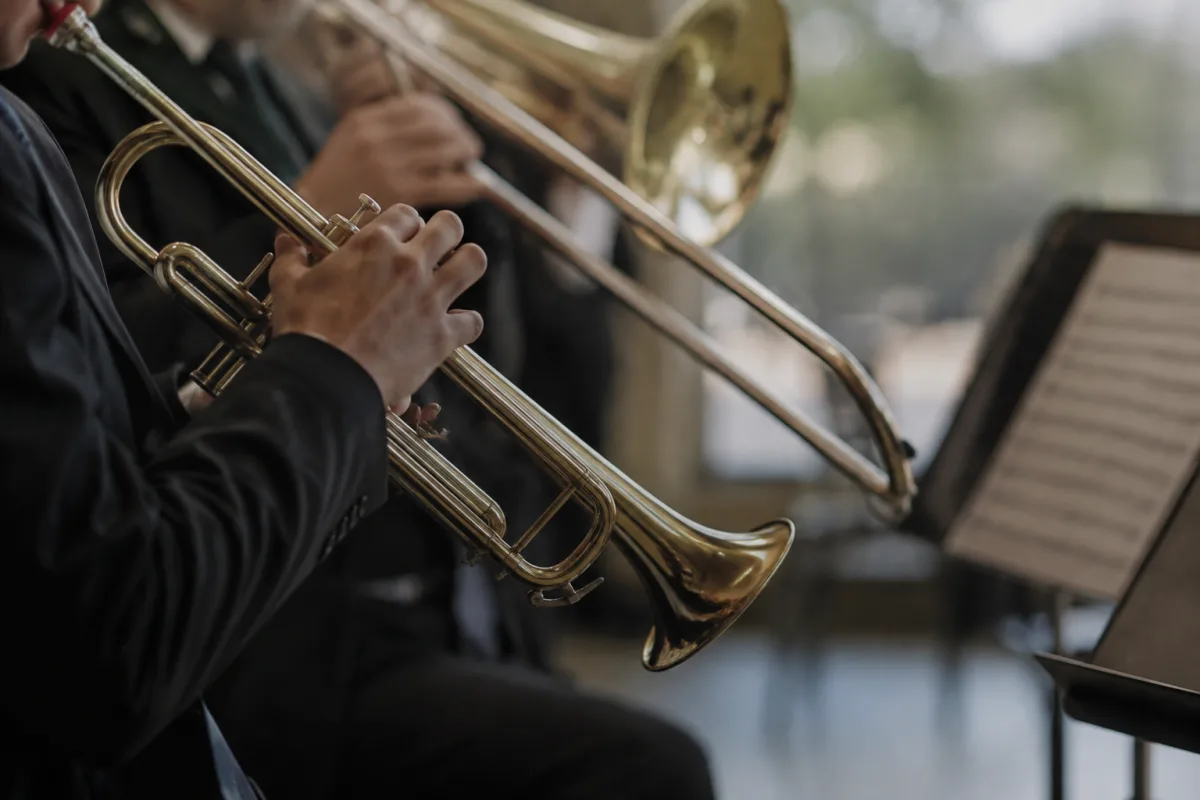
Brass instruments produce sound through vibrating air columns excited by buzzing lips against a mouthpiece, creating powerful, brilliant tones that project across concert halls and stadiums. The brass instrument family—trumpets, trombones, French horns, and tubas—forms the backbone of orchestras, jazz bands, brass bands, and military ensembles. Each brass instrument offers distinct tonal character, playability, and musical role, making the family as diverse as it is essential.
How Brass Instruments Work
A brass instrument requires three essential components: a cup-shaped mouthpiece where lips vibrate, tubing (conical or cylindrical) that resonates and amplifies sound, and a bell that projects the tone. Pressing valves or using a slide changes pitch by altering the air column's effective length. The player controls tone colour, dynamics, and articulation through embouchure (mouth position) and breath support. This directness—lips controlling sound—means brass players develop profound command over their tone.
Major Brass Instruments
- Trumpet: Highest-pitched brass, bright and cutting tone, used across classical and jazz.
- French horn: Mellow, warm tone; challenging to play but musically rewarding.
- Trombone: Slide-operated pitch control, warm-bright tone; essential in jazz and orchestras.
- Tuba: Lowest brass instrument, deep foundation; the bass of brass sections.
- Cornet: Similar to trumpet but with conical bore, producing warmer tone.
Brass Instruments in Different Musical Contexts
Orchestras rely on brass instruments for colour, power, and dramatic moments. Jazz bands use brass instruments for improvisation and rhythmic support. Brass bands (common in British traditions) feature entire ensembles of brass instruments in complex arrangements. Funk and contemporary music incorporate brass instruments for texture and punch. Mastery of brass instruments opens doors across musical genres.
Acoustic Properties of Brass Instruments
The metallic construction of brass instruments contributes to their brilliant, projective tone. The brass material itself vibrates sympathetically, enhancing resonance. Bell flare design focuses and projects sound. This acoustic efficiency means brass instruments command attention—they're loud, cutting, and impossible to ignore in ensemble settings.
Maintenance of Brass Instruments
Brass instruments require regular maintenance to function optimally. Valves need oiling weekly, slides lubricated regularly, and the entire instrument cleaned periodically. Mouthpieces should be washed after each use. Proper maintenance extends instrument lifespan and maintains consistent playability. Many issues—sticking valves, sluggish slides—resolve with basic care.
Learning Brass Instruments
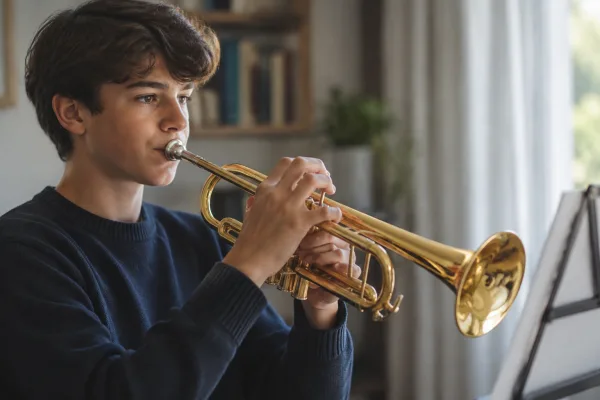
Starting brass requires patience with embouchure development, which takes months. Initial sounds are typically unpleasant, but consistent practice yields rapid improvement. Most learners play simple melodies within weeks. Quality instruction accelerates progress significantly. Budget for decent student brass instruments—cheap options frustrate learners. Combined with dedication, brass instruments reward players with profound musical satisfaction and lifelong engagement.




Comments