
Brass Horns Names article
The Complete Guide to Brass Horns Names
Learn the names and characteristics of brass horns from the brilliant trumpet to the deep tuba, including specialised orchestral and jazz brass horns.
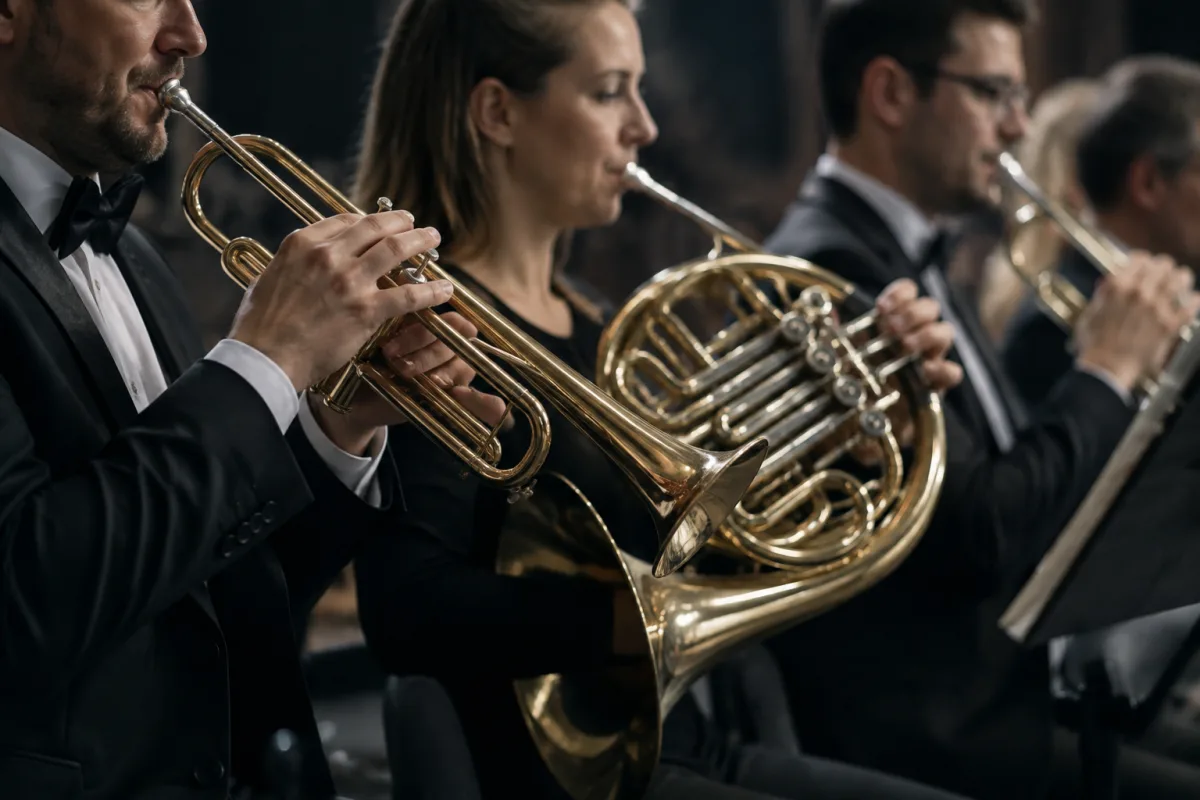
The world of brass instruments is home to a fascinating array of horns, each with its own distinctive name, sound, and playing characteristics. Whether you are learning orchestral brass instruments, curious about jazz ensembles, or exploring brass bands, understanding the names and classifications of brass horns provides essential context for appreciating this vibrant family of instruments. This complete guide explores the major brass horns by name, their musical roles, and their unique sonic qualities.
The Principal Brass Horns
Several brass horns form the backbone of orchestras, wind bands, and jazz ensembles. These instruments appear in the vast majority of musical ensembles featuring brass:
The Trumpet
The trumpet is the highest-pitched standard brass horn, renowned for its brilliant, cutting tone that projects powerfully across orchestras. Trumpets are featured in classical orchestras, jazz ensembles, brass bands, military bands, and countless other musical contexts. The standard trumpet is pitched in B-flat, and players typically learn trumpet as their first brass instrument because its fundamental technique translates to all other brass horns.
The French Horn (Horn)
The French horn is a sophisticated instrument featuring a complex, coiled brass tubing design and a hand-in-bell playing technique that influences its warm, mellow tone. Orchestras typically feature 4–8 French horns, which provide harmonic foundation and lyrical melodic passages. Despite its name, the French horn is simply known as "horn" by orchestral musicians. It is pitched in F and requires considerable skill to play with consistent accuracy.
The Trombone
The trombone is distinguished by its sliding mechanism—rather than valves, trombonists move a slide backward and forward to change pitch. Trombones produce a warm, mellow sound and are featured prominently in jazz, orchestral music, and brass bands. The tenor trombone is most common; bass and alto trombones exist for specialised roles. Trombones span a wider pitch range than many other brass instruments and are capable of producing sliding pitch effects unique to the instrument.
The Tuba
The tuba is the lowest-pitched and largest standard brass horn, providing deep bass foundation to any ensemble. Tubas are indispensable in orchestras, brass bands, and traditional jazz. The instrument requires significant lung capacity and physical strength to play effectively. Despite their size, tubas are capable of surprising agility and expressiveness in skilled hands.
Specialised Orchestral and Concert Brass Horns
Beyond the principal four, orchestras and concert ensembles sometimes feature specialised brass horns for specific musical requirements:
The Cornet
Similar to the trumpet but with a more conical bore and warmer tone, the cornet is featured in brass bands and traditional settings. To untrained ears, cornets and trumpets sound similar, though cornets produce a mellower, more blended tone. Cornets are rarely heard in modern orchestras but remain popular in community brass bands and classical brass repertoire.
The Flugelhorn
A larger cousin of the cornet, the flugelhorn features an even more conical bore and produces an exceptionally warm, smooth tone. Flugelhorns are staples in jazz and popular music and occasionally featured in classical and film score contexts. The instrument's rounded tone makes it ideal for lyrical, expressive solo passages.
The Bass Trumpet
A pitched trumpet offering lower range than the standard B-flat trumpet, the bass trumpet bridges the gap between trumpet and trombone in timbre and register. Bass trumpets are occasionally featured in modern orchestral and opera scores, particularly in contemporary classical music.
The Wagner Tuba (Heroic Tuba)
Created specifically for Richard Wagner's operas, the Wagner tuba is a hybrid instrument combining French horn and tuba characteristics. It bridges French horn and tuba in both sound and range, and appears in Wagner's opera scores and occasional contemporary classical works. Wagner tubas remain relatively uncommon and require specialist players.
Jazz and Popular Music Brass Horns
Jazz and popular music employ brass horns in distinctive ways and occasionally feature specialised variations:
Soprano Saxophone (Honorary Brass Designation)
Though technically a woodwind instrument, the soprano saxophone is often grouped with brass horns in jazz contexts and produces a high, bright tone vaguely reminiscent of trumpet.
Jazz Trumpet and Trumpet Variants
Jazz trumpet players use standard B-flat trumpets but apply different techniques and mutes to create distinctive sounds. Picket trumpets (extremely high-pitched) and pocket trumpets (smaller versions) appear in jazz contexts. Jazz trombones similarly employ extended techniques and mute variations unavailable in classical contexts.
The Mellophone
Occasionally featured in jazz and popular music, the mellophone is a hybrid instrument combining French horn characteristics with a more conventional valve system and conical bore. Mellophornes are primarily found in marching bands and jazz ensembles rather than orchestras.
Brass Band Horns and Historical Instruments
British and American brass bands employ a specialised hierarchy of instruments specific to the brass band format:
E-flat Soprano Cornet
The highest-pitched member of brass band ensembles, E-flat sopranoes provide the brilliant, cutting voice in brass band textures. These instruments require particular skill and produce a thin but penetrating tone.
B-flat Cornets and E-flat Altos
Multiple E-flat alto horns and B-flat cornets layer harmonic foundations in brass bands, creating rich, blended ensemble textures distinct from orchestral arrangements.
Saxhorns and Euphoniums
Saxhorns (various sizes and pitches) and euphoniums provide middle-range colour and solo opportunities in brass band settings. Euphoniums in particular are cherished for their warm, expressive tone and extensive solo repertoire.
Bass and Contrabass Tubas
Brass bands employ enormous BBb (double-B-flat) contrabass tubas that produce astonishingly deep, powerful bass sound.
Rare and Historical Brass Horns
Several brass horns, though rarely played today, remain part of musical history and occasionally appear in period performances or contemporary classical works:
- The Ophicleide: A keyed brass instrument predating the tuba, producing a deep, somewhat reedy brass tone. Operas and classical works occasionally feature ophicleide parts that modern musicians recreate on tuba.
- The Serpent: A Renaissance-era bass instrument with a dark, woody brass tone, featured in early music ensembles performing period repertoire.
- The Baritone: A brass horn pitched between euphonium and tuba, common in historical brass bands but rarely heard today.
Choosing Among Brass Horns
For aspiring brass musicians, understanding different horns helps with instrument selection. Beginners typically start with trumpet (most straightforward), French horn (challenging but rewarding), trombone (appealing for its visual mechanics and warm tone), or tuba (ideal for musicians preferring bass foundations). Each horn demands different physical characteristics and musical sensibilities, and most brass musicians eventually find their ideal instrument through experimentation and listening.
Conclusion
The rich diversity of brass horns reflects centuries of musical evolution and the varied aesthetic demands of different musical traditions. From the brilliant trumpet to the mellow French horn, the versatile trombone to the powerful tuba, each brass instrument brings distinctive tonal and technical qualities to ensembles. Understanding brass horn names and their musical roles deepens appreciation for orchestral and ensemble music, and for musicians, discovering which brass horn resonates with their musical voice becomes a fundamental part of their artistic development.



Comments